 MATCDHAKA – Medical Assistant Training Centre in Dhaka Pharmacy, Veterinary, Dental, Nursing, Pathology, Physiotherapy and Homeopathy Training Institute in Dhaka



3 Years DMA Course Details
3 Years DMA Course -Mobile Number 01797522136, 01987073965.3 Years DMA Course is a long Diploma in Medical Assistant course in Bangladesh. This Course is available in HRTD Medical Institute. HRTD Medical Institute is reputed and popular for 3 Years DMA Course, Pharmacy Courses, Diploma Medical Assistant Courses, etc. HRTD Medical Institute is an organization of HRTD Limited which is Registered by the Govt of the People Republic of Bangladesh.
Total Cost for 3 Years DMA Course
Total Cost =142500 tk
Admission fee =20500 tk
Monthly fee (3000×36) = 108000 tk
Exam fee 6 semester =14000 tk

Location for 3 Years DMA Course
3 Years DMA Course HRTD Medical Institute, Abdul Ali Madbor Mansion, Folpotty Mosjid Goli (Bitul Mamur Jame Mosjid Goli), Plot No. 11, Metro Rail Piller No. 249, Mirpur 10 Golchattar, Dhaka.
Document for 3 Years DMA Course
3 Years DMA Course for HRTD Medical Institute Photocopy of Certificate, Photocopy of NID, Passport Size Photo 4 Pcs. Without NID, a Birth Certificate is allowed for an emergency case.
Admission Eligibility for 3 Years DMA Course
3 Years DMA Course Admission Eligibility. Mobile Number. 01987073965. 01941123488, 01797522136. SSC or Equivalent/HSC/ Degree/ Masters from any Background (Science/ Arts/ Commerce/ Technical).
Class System for 3 Years DMA Course
Class System for 3 Years DMA Course in Dhaka : Weekly Class 3 hours. For Job holders 3 hours in a day. The option days are Friday Morning Shift from 9:00 AM to 12:00 PM, Friday Evening Shift from 3:00 PM to 6:00 PM, Monday Morning Shift from 9:00 AM to 12:00 PM, Monday Evening Shift from 3:00 PM to 6:00 PM. Saturday Morning Shift from 10am to 1 Pm, Evening Shift from 3 pm to 6 pm.
For Regular Students Saturday 1 hour, Monday 1 hour, and Friday 1 hour. Morning Shift From 9:00 AM to 12:00 PM, and Evening Shift From 3:00 PM to 6:00 PM.
Hostel Facilities in HRTD Medical Institute for 3 Years DMA Course
Hostal & Meal Facilities
The Institute has hostel facilities for the students. Students can take a bed in the hostel.
Hostel Fee Tk 3000/- Per Month
Meal Charges Tk 3000/- Per Month. ( Approximately )
হোস্টাল ও খাবার সুবিধা
ইনস্টিটিউটে শিক্ষার্থীদের জন্য হোস্টেল সুবিধা রয়েছে। ছাত্ররা হোস্টেলে বিছানা নিতে পারে।
হোস্টেল ফি 3000/- টাকা প্রতি মাসে,
খাবারের চার্জ 3000/- টাকা প্রতি মাসে।(প্রায়)
Address of HRTD Medical Institute for the 3-Year DMA Course
আমাদের ঠিকানাঃ HRTD মেডিকেল ইন্সটিটিউট, আব্দুল আলী মাদবর ম্যানশন, সেকশন ৬, ব্লোক খ, রোড ১, প্লট ১১, মেট্রোরেল পিলার নাম্বার ২৪৯, ফলপট্টি মসজিদ গলি, মিরপুর ১০ গোলচত্ত্বর, ঢাকা ১২১৬ । মোবাইল ফোন নাম্বার ০১৭৯৭৫২২১৩৬, ০১৯৮৭০৭৩৯৬৫ ।
Our Address: HRTD Medical Institute, Abdul Ali Madbor Mansion, Section-6, Block- Kha, Road- 1, Plot- 11, Metro Rail Pilar No. 249, Falpatty Mosjid Goli, Mirpur-10 Golchattar, Dhaka 1216. Mobile Phone No. 01797522136, 01987073965.
Teachers For 3 Years DMA Course
- Dr. Md. Sakulur Rahman, MBBS, CCD (BIRDEM), Course Director
- Dr. Sanjana Binte Ahmed, BDS, MPH, Assistant Course Director
- Dr. Tisha, MBBS, PGT Gyne, Assistant Course Director
- Dr. Suhana, MBBS, PGT Medicine
- Dr. Danial Hoque, MBBS,
- Dr. Tisha, MBBS
- Dr. Afrin Jahan, MBBS, PGT Medicine
- Dr. Ananna, MBBS
- Dr. Lamia Afroze, MBBS
- Dr. Amena Afroze Anu, MBBS, PGT Gyne, Assistant Course Director
- Dr. Farhana Antara, MBBS,
- Dr. Nazmun Nahar Juthi, BDS, PGT
- Dr. Farhana Sharna, MBBS
- Dr. Bushra, MBBS
- Dr. Turzo, MBBS
- Dr. Kamrunnahar Keya, BDS, PGT (Dhaka Dental College)
- Dr. Shamima, MBBS, PGT Gyne
- Dr. Alamin, MBBS
- Dr. Benzir Belal, MBBS
- Dr. Disha, MBBS
- Dr. Mahinul Islam, MBBS
- Dr. Tisha, MBBS, PGT Medicine
- Dr. Anika, MBBS, PGT
- Dr. Jannatul Ferdous, MBBS, PGT Gyne
- Dr. Jannatul Aman, MBBS, PGT
- Dr. Rayhan, BPT
- Dr. Abu Hurayra, BPT
- Dr. Sharmin Ankhi, MBBS, PGT Medicine
- Md. Monir Hossain, B Pharm, M Pharm
- Md. Monirul Islam, B Pharm, M Pharm
- Md. Feroj Ahmed, BSc Pathology, PDT Medicine
Practical class For 3 Years DMA Course
- Heart Beat, Heart Rate
- Heart Sound, Pulse
- Blood Pressure, Hypertension, Hypotension
- First Aid Box
- Auscultation
- Inhaler, Rota haler
- Nebulizer
- Glucometer Blood Glucose
- Injection I/V
- Injection I/M
- Cleaning, Dressing, Bandaging
- Saline
- CPR
- Stitch
- Body Temperature
- Nasal Tube Gel, Hand Wash
- Blood Grouping
- Cyanosis, Dehydration Test, Edema Test
Heart Beat, Heart Rate for 3 Years DMA Course
Heart Beat for 3 Years DMA Course
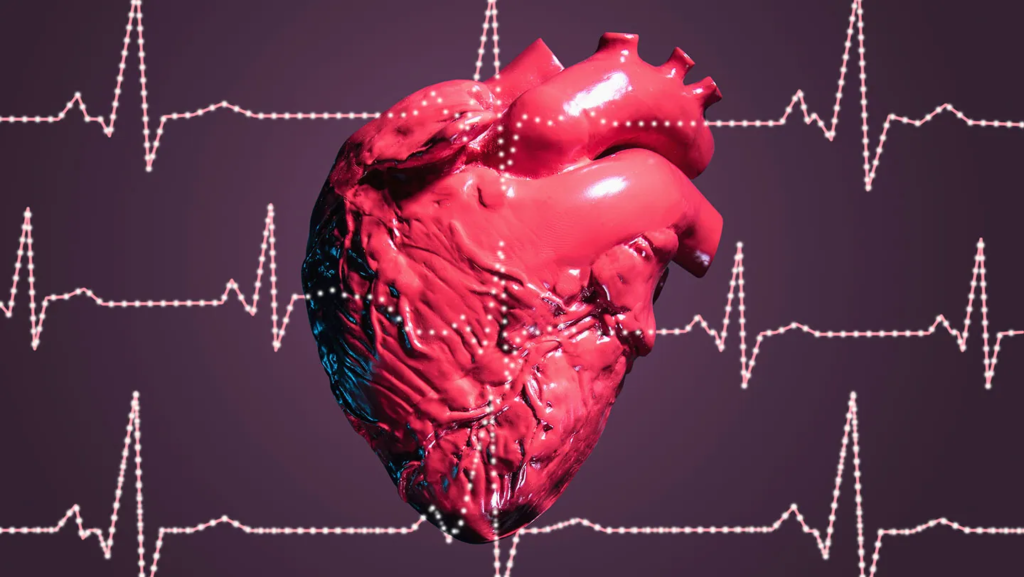
Understanding the mechanics of the human heart through practical application is a foundational exercise in biology and medicine. The “heartbeat” is not just a sound; it is the physical manifestation of the cardiac cycle—the sequence of contraction (systole) and relaxation (diastole) that propels blood throughout the body. In a practical laboratory or home setting, measuring these beats allows us to observe how the body maintains homeostasis by adjusting blood flow in response to different stimuli, such as physical exertion, stress, or even temperature changes.
ব্যবহারিক প্রয়োগের মাধ্যমে মানুষের হৃদপিণ্ডের যান্ত্রিকতা বোঝা জীববিজ্ঞান এবং চিকিৎসাবিদ্যার একটি মৌলিক অনুশীলন। “হৃদস্পন্দন” কেবল একটি শব্দ নয়; এটি হৃদযন্ত্রের চক্রের শারীরিক প্রকাশ – সংকোচন (সিস্টোল) এবং শিথিলকরণ (ডায়াস্টোল) এর ক্রম যা সারা শরীরে রক্তকে চালিত করে। একটি ব্যবহারিক পরীক্ষাগারে বা বাড়িতে, এই স্পন্দনগুলি পরিমাপ করার মাধ্যমে আমরা পর্যবেক্ষণ করতে পারি যে শারীরিক পরিশ্রম, চাপ, এমনকি তাপমাত্রার পরিবর্তনের মতো বিভিন্ন উদ্দীপনার প্রতিক্রিয়ায় রক্ত প্রবাহকে সামঞ্জস্য করে শরীর কীভাবে হোমিওস্ট্যাসিস বজায় রাখে।
1. Methods of Measuring Heart Rate
In a practical setting, heart rate is typically measured as a “pulse rate,” which is the rhythmic expansion of an artery as blood surges through it after each contraction of the left ventricle.
- Radial Pulse (Wrist):
- Place your index and middle fingers on the thumb side of the inner wrist.
- Press firmly until you feel the “thump” of the artery against the bone.
- Pro Tip: Avoid using your thumb to measure another person’s pulse, as your thumb has its own strong pulse that can lead to an inaccurate count.
- Carotid Pulse (Neck):
- Locate the groove on either side of the windpipe (trachea), just under the jawline.
- Press gently with two fingers.
- Warning: Never press both carotid arteries at the same time, as this can restrict blood flow to the brain and cause fainting.
- Auscultation (Stethoscope):
- Place the diaphragm of the stethoscope on the chest, slightly to the left of the sternum.
- Listen for the “lub-dub” sound. One “lub-dub” equals one complete heartbeat.
2. Practical Step-by-Step Experiment
This experiment aims to investigate how physical activity affects heart rate.
- Baseline Measurement (Resting Heart Rate):
- Sit or lie down in a calm environment for at least five minutes.
- Measure your pulse for 60 seconds (or 30 seconds and multiply by 2).
- Record this value. A normal resting rate for adults is typically 60–100 beats per minute (bpm).
- Activity Phase:
- Perform a set activity (e.g., jogging on the spot or jumping jacks) for 1–2 minutes.
- Immediately after stopping, measure your pulse for 15 seconds and multiply by 4 to get the instantaneous “active” heart rate.
- Recovery Phase:
- Sit back down and measure your pulse every minute for the next five minutes.
- A fit cardiovascular system will return to the resting baseline more quickly than an unfit one.
3. Understanding the Physiology
- The “Lub-Dub”: The first sound (“lub”) is caused by the closing of the atrioventricular valves when the ventricles contract. The second sound (“dub”) occurs when the semilunar valves close as the ventricles relax.
- Why Heart Rate Increases: During exercise, muscle cells require more oxygen and glucose for respiration. The nervous system signals the heart to beat faster and with more force to deliver oxygenated blood and remove waste products like carbon dioxide.
- Factors Influencing Results:
- Emotions: Stress or anxiety can trigger the “fight or flight” response, raising the heart rate.
- Temperature: High heat and humidity force the heart to pump more blood to the skin to facilitate cooling, increasing the rate.
- Fitness: Athletes often have much lower resting heart rates (sometimes 40–60 bpm) because their heart muscle is more efficient.
Summary of Key Clinical Terms
- Tachycardia: A resting heart rate consistently over 100 bpm.
- Bradycardia: A resting heart rate consistently below 60 bpm (unless you are a highly trained athlete).
- Arrhythmia: An irregular rhythm where the intervals between beats are not equal.
Subjects for 3 Years DMA Course
3 Years DMA Course Contains 22 Subject. Mobile Number: 01987-073965,01797-522136
- Human Anatomy & Physiology-1
- Pharmacology-1
- Study of OTC Drugs
- First Aid-1 & 2 and Practice of Medicine
- Hematology and Pathology for Medical Practice
- Surgery-1 and Antimicrobial Drugs
- Cardiovascular Anatomy
- Medical Diagnosis-1&2
- Chemistry and Medical Biochemistry
- Orthopedic Anatomy
- General Pathology-1
- Pharmacology-2
- Practice of Medicine 2&3
- Essential Drugs
- Neuro Anatomy & Physiology
- Gastrological Drugs and Pharmacology
- Human Anatomy & Physiology-2
- Geriatric Disease and Treatment
- Cardiovascular Disease And Cardiovascular Drug
- Common Respiratory Disease
- Histology and Cytology
- Human Microbiology
- Community Medicine
- Urology and Hepatology
Subjects Details for 3 Years DMA Course
Anatomy & Physiology for 3 Years DMA Course
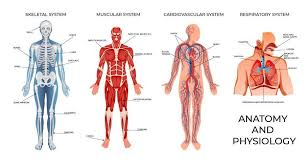
3 Years DMA Course Anatomy and physiology are the two fundamental pillars of the life sciences, serving as the essential roadmap for understanding how the human body is constructed and how it operates in harmony to maintain life. While they are distinct disciplines, they are virtually inseparable; anatomy focuses on the physical “map” of the body, identifying structures from the microscopic to the macroscopic level, while physiology explains the “mechanics” of how these structures perform their vital functions. Together, they provide a comprehensive picture of the human organism as a highly integrated biological machine.
অ্যানাটমি এবং ফিজিওলজি হল জীবন বিজ্ঞানের দুটি মৌলিক স্তম্ভ, যা মানবদেহ কীভাবে তৈরি হয় এবং জীবন বজায় রাখার জন্য এটি কীভাবে সামঞ্জস্যপূর্ণভাবে কাজ করে তা বোঝার জন্য অপরিহার্য রোডম্যাপ হিসেবে কাজ করে। যদিও এগুলি পৃথক শাখা, তারা কার্যত অবিচ্ছেদ্য; অ্যানাটমি শরীরের ভৌত “মানচিত্র”-এর উপর দৃষ্টি নিবদ্ধ করে, অণুবীক্ষণিক থেকে ম্যাক্রোস্কোপিক স্তর পর্যন্ত কাঠামো চিহ্নিত করে, অন্যদিকে ফিজিওলজি এই কাঠামোগুলি কীভাবে তাদের গুরুত্বপূর্ণ কার্য সম্পাদন করে তার “যান্ত্রিকতা” ব্যাখ্যা করে। একসাথে, তারা একটি অত্যন্ত সমন্বিত জৈবিক যন্ত্র হিসাবে মানবদেহের একটি বিস্তৃত চিত্র প্রদান করে।
The Definition and Scope of Anatomy
Anatomy, derived from the Ancient Greek word anatomē meaning “dissection,” is the study of the structure and physical relationships between body parts. It is primarily a descriptive science that answers the question “What is it?” and “Where is it located?”. The field is typically divided into two major branches based on the scale of observation:
প্রাচীন গ্রীক শব্দ anatomē থেকে উদ্ভূত, যার অর্থ “ব্যবচ্ছেদ”, হল শরীরের অঙ্গ-প্রত্যঙ্গের গঠন এবং শারীরিক সম্পর্কের অধ্যয়ন। এটি মূলত একটি বর্ণনামূলক বিজ্ঞান যা “এটি কী?” এবং “এটি কোথায় অবস্থিত?” প্রশ্নের উত্তর দেয়। পর্যবেক্ষণের স্কেলের উপর ভিত্তি করে ক্ষেত্রটি সাধারণত দুটি প্রধান শাখায় বিভক্ত:
- Gross (Macroscopic) Anatomy: This involves the study of large structures that are visible to the naked eye without the aid of magnification. It can be approached systemically, which focuses on organ systems like the skeletal or muscular systems, or regionally, which examines all structures in a specific area of the body, such as the head or thorax.
- Microscopic Anatomy: This branch requires the use of specialized instruments to see structures too small for the human eye. It includes cytology, the study of individual cells and their internal components, and histology, the study of how groups of similar cells work together as tissues.
Historically, the study of anatomy was advanced through the dissection of cadavers, a practice championed by figures like Herophilus, often called the “Father of Anatomy”. Modern anatomy has been revolutionized by non-invasive medical imaging techniques like MRI, CT scans, and ultrasound, which allow clinicians to view the internal structures of living patients with incredible precision.
The Definition and Scope of Physiology
Physiology is the dynamic counterpart to anatomy, focusing on the chemical and physical processes that occur within the body to keep an organism alive and healthy. If anatomy is the study of the hardware, physiology is the study of the software and electricity that makes it run. It answers the question “How does it work?”.
ফিজিওলজি হল অ্যানাটমির গতিশীল প্রতিরূপ, যা একটি জীবকে জীবিত এবং সুস্থ রাখার জন্য শরীরের মধ্যে ঘটে যাওয়া রাসায়নিক এবং ভৌত প্রক্রিয়াগুলির উপর দৃষ্টি নিবদ্ধ করে। যদি অ্যানাটমি হার্ডওয়্যারের অধ্যয়ন হয়, তাহলে ফিজিওলজি হল সফ্টওয়্যার এবং বিদ্যুতের অধ্যয়ন যা এটিকে চালায়। এটি “এটি কীভাবে কাজ করে?” প্রশ্নের উত্তর দেয়।
Physiologists often focus their research on specific levels of biological organization, ranging from cellular physiology (how chemical reactions power a single cell) to organ-system physiology (how the heart, blood vessels, and blood work together to circulate oxygen). This field relies heavily on concepts from physics and chemistry to explain complex phenomena like electrical signaling in nerves or the exchange of gases in the lungs.
শারীরবিজ্ঞানীরা প্রায়শই জৈবিক সংগঠনের নির্দিষ্ট স্তরের উপর তাদের গবেষণাকে কেন্দ্রীভূত করেন, যার মধ্যে রয়েছে কোষীয় শারীরবিদ্যা (কীভাবে রাসায়নিক বিক্রিয়া একটি একক কোষকে শক্তি দেয়) থেকে শুরু করে অঙ্গ-প্রত্যঙ্গের শারীরবিদ্যা (কীভাবে হৃদপিণ্ড, রক্তনালী এবং রক্ত অক্সিজেন সঞ্চালনের জন্য একসাথে কাজ করে)। স্নায়ুতে বৈদ্যুতিক সংকেত বা ফুসফুসে গ্যাসের বিনিময়ের মতো জটিল ঘটনা ব্যাখ্যা করার জন্য এই ক্ষেত্রটি পদার্থবিদ্যা এবং রসায়নের ধারণাগুলির উপর ব্যাপকভাবে নির্ভর করে।
The Principle of Complementarity
A core concept in these disciplines is the Complementarity of Structure and Function, which states that the shape and organization of a body part are intimately tied to its specific function. For example, the thin, flat shape of the air sacs (alveoli) in the lungs is perfectly suited for the rapid diffusion of gases, whereas the thick, muscular walls of the heart’s ventricles are designed to generate the high pressure needed to pump blood throughout the entire body.
এই শাখাগুলির একটি মূল ধারণা হল গঠন এবং কার্যকারিতার পরিপূরকতা, যা বলে যে একটি শরীরের অংশের আকৃতি এবং সংগঠন তার নির্দিষ্ট কার্যকারিতার সাথে নিবিড়ভাবে জড়িত। উদাহরণস্বরূপ, ফুসফুসের বায়ুথলির (অ্যালভিওলি) পাতলা, সমতল আকৃতি গ্যাসের দ্রুত বিস্তারের জন্য পুরোপুরি উপযুক্ত, যেখানে হৃৎপিণ্ডের ভেন্ট্রিকলের পুরু, পেশীবহুল দেয়ালগুলি সমগ্র শরীর জুড়ে রক্ত পাম্প করার জন্য প্রয়োজনীয় উচ্চ চাপ তৈরি করার জন্য ডিজাইন করা হয়েছে।
Levels of Biological Organization
The human body is organized into a hierarchy of increasing complexity, often categorized into six primary levels:
- Chemical Level: The most basic level, consisting of atoms (like carbon and oxygen) that combine to form molecules (like water and proteins).
- Cellular Level: The smallest independently functioning unit of a living organism, formed when molecules interact to create organelles and membranes.
- Tissue Level: Groups of similar cells that work together to perform a specific task, such as muscle tissue for movement or nervous tissue for signaling.
- Organ Level: A structure composed of two or more different types of tissues that perform a complex biological function, such as the stomach or the brain.
- Organ System Level: A group of organs that cooperate to meet a major physiological need, such as the digestive system breaking down food and absorbing nutrients.
- Organismal Level: The highest level of organization, representing the total human being where all organ systems function together to maintain life and health.
Homeostasis: The Goal of Physiology
3 Years DMA Course The ultimate purpose of most physiological processes is to maintain homeostasis, which is the state of steady internal conditions maintained by living things. Despite constant changes in the external environment—such as extreme heat or a lack of food—the body uses complex feedback loops to keep internal variables like temperature, blood pH, and blood sugar within a narrow, healthy range. When homeostasis is disrupted and cannot be restored, the result is often illness, disease, or even death.
বেশিরভাগ শারীরবৃত্তীয় প্রক্রিয়ার চূড়ান্ত উদ্দেশ্য হল হোমিওস্ট্যাসিস বজায় রাখা, যা জীবন্ত জিনিসের দ্বারা বজায় রাখা স্থিতিশীল অভ্যন্তরীণ অবস্থার অবস্থা। বহিরাগত পরিবেশে ক্রমাগত পরিবর্তন হওয়া সত্ত্বেও – যেমন চরম তাপ বা খাদ্যের অভাব – শরীর তাপমাত্রা, রক্তের pH এবং রক্তে শর্করার মতো অভ্যন্তরীণ পরিবর্তনশীলগুলিকে একটি সংকীর্ণ, সুস্থ সীমার মধ্যে রাখতে জটিল প্রতিক্রিয়া লুপ ব্যবহার করে। যখন হোমিওস্ট্যাসিস ব্যাহত হয় এবং পুনরুদ্ধার করা যায় না, তখন ফলাফল প্রায়শই অসুস্থতা, রোগ এমনকি মৃত্যুও হয়।
Understanding these concepts is not just for medical professionals; it is vital for personal health literacy. Knowledge of anatomy and physiology empowers individuals to interpret medical news, understand the implications of nutrition and medications, and make informed decisions when faced with illness.
এই ধারণাগুলি বোঝা কেবল চিকিৎসা পেশাদারদের জন্য নয়; ব্যক্তিগত স্বাস্থ্য সাক্ষরতার জন্য এটি অত্যাবশ্যক। শারীরস্থান এবং শারীরবিদ্যার জ্ঞান ব্যক্তিদের চিকিৎসা সংক্রান্ত সংবাদ ব্যাখ্যা করতে, পুষ্টি এবং ওষুধের প্রভাব বুঝতে এবং অসুস্থতার মুখোমুখি হলে সচেতন সিদ্ধান্ত নিতে সক্ষম করে।
Whether you are looking into the regional structures of the human skull or the complex physiology of the urinary system, this field offers a lifelong journey of discovery into the biological machinery that defines our existence. Feel free to ask if you would like to dive deeper into a specific system, such as the cardiovascular or nervous system
আপনি মানুষের খুলির আঞ্চলিক কাঠামো বা মূত্রতন্ত্রের জটিল শারীরবৃত্তীয় বিষয়গুলি অনুসন্ধান করুন না কেন, এই ক্ষেত্রটি আমাদের অস্তিত্বকে সংজ্ঞায়িত করে এমন জৈবিক যন্ত্রপাতি আবিষ্কারের একটি জীবনব্যাপী যাত্রা প্রদান করে। আপনি যদি কার্ডিওভাসকুলার বা স্নায়ুতন্ত্রের মতো কোনও নির্দিষ্ট সিস্টেমের আরও গভীরে যেতে চান তবে নির্দ্বিধায় জিজ্ঞাসা করুন।
Pharmacology-1 for 3 Years DMA Course
“Pharmacology-1” is an introductory course that covers the fundamental principles of pharmacology, including how drugs interact with the body and their initial applications in treating specific organ systems. It is a foundational subject for students in medical, pharmacy, nursing, and other health science fields.
ফার্মাকোলজি-১” হল একটি প্রাথমিক কোর্স যা ফার্মাকোলজির মৌলিক নীতিগুলি কভার করে, যার মধ্যে রয়েছে ওষুধগুলি কীভাবে শরীরের সাথে মিথস্ক্রিয়া করে এবং নির্দিষ্ট অঙ্গ সিস্টেমের চিকিৎসায় তাদের প্রাথমিক প্রয়োগ। এটি চিকিৎসা, ফার্মেসি, নার্সিং এবং অন্যান্য স্বাস্থ্য বিজ্ঞান ক্ষেত্রের শিক্ষার্থীদের জন্য একটি মৌলিক বিষয়।
Core Concepts
The initial pharmacology course typically focuses on the core principles that govern all drug action.
- Pharmacokinetics: This describes “what the body does to the drug” and involves four key processes:
- Absorption: The movement of the drug from its administration site into the bloodstream.
- Distribution: How the drug is dispersed throughout the body’s tissues and fluids.
- Metabolism: The breakdown of the drug into metabolites, primarily in the liver.
- Excretion: The elimination of the drug and its metabolites from the body, mainly through the kidneys.
- Pharmacodynamics: This describes “what the drug does to the body” and focuses on the mechanisms of drug action. Key aspects include drug-receptor interactions, dose-response relationships, efficacy, potency, and the therapeutic index (safety margin).
- Drug Classification and Nomenclature: Students learn the different names for drugs (chemical, generic, and brand) and how they are categorized based on their chemical properties or therapeutic uses.
- Routes of Administration: The course covers various methods of delivering drugs into the body (e.g., oral, intravenous, intramuscular, topical) and the advantages and disadvantages of each.
- Adverse Drug Reactions and Interactions: A key component is understanding the potential unwanted effects of drugs and how different medications, foods, or supplements can interact with each other.
- Drug Discovery and Development: The basic phases of clinical trials and the regulatory process for new drug approval are often introduced.
Key Drug Classes Covered for 3 Years DMA Course
Following the general principles, the course often introduces drugs that affect the autonomic nervous system (ANS) and the cardiovascular system.
- Drugs Acting on the Autonomic Nervous System:
- Cholinoceptor-activating and blocking drugs (parasympathomimetics and parasympatholytics).
- Adrenoceptor agonists and antagonists (sympathomimetics and sympatholytics).
- Cardiovascular and Renal Drugs:
- Antihypertensive agents.
- Diuretics.
- Drugs for heart failure, angina, and arrhythmias.
- Agents used in coagulation disorders (anticoagulants, antiplatelets, thrombolytics).
- Lipid-regulating drugs (statins, fibrates).
- Other Systems: Depending on the specific curriculum, the course might also cover an introduction to drugs for the central nervous system (CNS), local anesthetics, and nonsteroidal anti-inflammatory drugs (NSAIDs)
Study of OTC Drugs for 3 Years DMA Course
The study of Over-the-Counter (OTC) drugs is a multifaceted discipline primarily situated within Pharmacology and Pharmaceutical Science. This field examines the mechanisms, safety, and societal impact of non-prescription medications—those sold directly to consumers without a physician’s order.
ওভার-দ্য-কাউন্টার (ওটিসি) ওষুধের অধ্যয়ন মূলত ফার্মাকোলজি এবং ফার্মাসিউটিক্যাল বিজ্ঞানের মধ্যে অবস্থিত একটি বহুমুখী শাখা। এই ক্ষেত্রটি প্রেসক্রিপশনবিহীন ওষুধের প্রক্রিয়া, সুরক্ষা এবং সামাজিক প্রভাব পরীক্ষা করে – যা ডাক্তারের আদেশ ছাড়াই সরাসরি ভোক্তাদের কাছে বিক্রি করা হয়।
In academic and clinical settings, the study of OTC drugs encompasses several specialized areas of focus.
1. Primary Academic Subjects and Fields
The study of OTC drugs is not a single “subject” but a core component of several degree programs:
- Pharmacology: This is the overarching science of drugs and their effects on living systems. It involves studying drug classes, mechanisms of action (how the drug works at a molecular level), and pharmacokinetics (how the body absorbs and processes the drug).
- Pharmacy: This professional field focuses on the safe dispensing of medications and providing clinical advice to patients. In this subject, OTC drugs are studied in the context of “self-care” and “community pharmacy,” where pharmacists act as the primary interface for patient education.
- Toxicology: Often studied alongside pharmacology, toxicology focuses on the adverse effects and risks of drugs, including the dangers of OTC misuse, such as liver damage from excessive acetaminophen intake.
- Public Health: Researchers study the prevalence of self-medication practices across different populations (e.g., students, elderly, or urban residents) to identify trends, risks like antibiotic resistance, and the need for better health literacy.
2. Core Topics within the Study of OTC Drugs for 3 Years DMA Course
Students and researchers typically explore the following key areas:
- Drug Classification: Identifying which medications are safe for OTC sale (like analgesics and antacids) versus those that require a prescription (like most antibiotics).
- KAP Studies (Knowledge, Attitude, and Practice): These are common research frameworks used to assess how much the public knows about OTC drugs, their attitudes toward them (e.g., whether they believe they are “safe”), and their actual usage habits.
- Safety and Adverse Reactions: Analyzing side effects, drug-drug interactions, and the risks of “masking” serious underlying diseases through self-treatment.
- Regulation and Ethics: Studying the legal frameworks that govern how OTC drugs are marketed, sold, and labeled in various countries (e.g., FDA in the US or PMDA in Japan).
3. Common OTC Drug Categories Studied
Research frequently centers on these prevalent classes of non-prescription medications:
- Analgesics/Antipyretics: Pain and fever relievers like acetaminophen and ibuprofen.
- Cough and Cold Preparations: Decongestants and suppressants like dextromethorphan.
- Gastrointestinal Agents: Antacids, laxatives, and anti-diarrheals.
- Dermatologicals: Medicated skin treatments and antiseptic creams.
- Vitamins and Supplements: Health boosters often used by students for concentration or general well-being.
4. Societal Impact and Trends (2025 Data)
As of 2025, several key trends have been identified in the study of OTC drugs:
- High Prevalence of Self-Medication: Recent studies show that self-medication rates are extremely high, often exceeding 75% in university student populations in regions like Dhaka and Saudi Arabia.
- Misconceptions regarding Antibiotics: A significant global issue remains the public’s incorrect belief that antibiotics are OTC drugs, which leads to misuse and contributes to the public health crisis of antibiotic resistance.
- Economic Drivers: In many countries, the high cost of physician consultations and the convenience of pharmacies are the primary motivators for choosing OTC drugs over professional medical care.
- Influence of Media: Advertisements on social media and TV are increasingly cited as major drivers of consumer choice for OTC products.
In summary, the study of OTC drugs is a vital part of modern healthcare education, focusing on balancing the benefits of accessible self-care with the critical need for patient safety and education. If you are interested in a specific area, such as a particular drug class or regulatory policy, feel free to ask for more detailed information.
First Aid-1 & 2 and Practice of Medicine for 3 Years DMA Course
First Aid 1 & 2 for 3 Years DMA Course
3 Years DMA Course Understanding the concepts of First Aid Levels 1 and 2 is fundamental for anyone looking to bridge the gap between an accident occurring and professional medical services arriving. These levels are structured as a progressive curriculum, starting from the absolute basics of life preservation to more complex casualty management and secondary medical assessments.
দুর্ঘটনা এবং পেশাদার চিকিৎসা পরিষেবা পৌঁছানোর মধ্যে ব্যবধান পূরণ করতে চাওয়া যে কারও জন্য প্রাথমিক চিকিৎসা স্তর ১ এবং ২ এর ধারণাগুলি বোঝা অপরিহার্য। এই স্তরগুলি একটি প্রগতিশীল পাঠ্যক্রম হিসাবে গঠন করা হয়েছে, জীবন সংরক্ষণের পরম মৌলিক বিষয়গুলি থেকে শুরু করে আরও জটিল দুর্ঘটনা ব্যবস্থাপনা এবং মাধ্যমিক চিকিৎসা মূল্যায়ন পর্যন্ত।
The Foundations: First Aid Level 1 for 3 Years DMA Course
First Aid Level 1 serves as the introductory baseline for emergency response. It is designed to equip individuals with the confidence and skills needed to manage day-to-day emergencies and life-threatening situations until paramedics take over.
থমিক চিকিৎসা স্তর ১ জরুরি প্রতিক্রিয়ার প্রাথমিক ভিত্তি হিসেবে কাজ করে। এটি প্যারামেডিকরা দায়িত্ব গ্রহণ না করা পর্যন্ত দৈনন্দিন জরুরি অবস্থা এবং জীবন-হুমকিপূর্ণ পরিস্থিতি পরিচালনা করার জন্য প্রয়োজনীয় আত্মবিশ্বাস এবং দক্ষতা দিয়ে ব্যক্তিদের সজ্জিত করার জন্য ডিজাইন করা হয়েছে।

- Primary Principles and Ethics: Learners are taught the “Three Ps” of first aid: Preserve life, Prevent further injury, and Promote recovery. This stage also covers legal requirements, such as the Good Samaritan principles and the importance of obtaining consent before assisting.
- Scene Assessment (DRSABCD): A cornerstone of Level 1 is the DRSABCD action plan. This involves checking for Danger, checking for a Response, Sending for help, checking the Airway, checking for Breathing, performing CPR, and using a Defibrillator (AED).
- Life-Saving Interventions:
- CPR and Choking: Training focuses on one-person adult and child resuscitation techniques and clearing obstructed airways.
- Bleeding and Wounds: Techniques for controlling severe external bleeding using direct pressure and basic bandaging are critical.
- Shock Management: Recognizing the signs of shock—such as pale, cold, clammy skin—and learning how to position a patient to maintain blood flow to vital organs.
- Common Medical Conditions: Level 1 provides a broad overview of how to respond to fainting, allergic reactions (anaphylaxis), seizures, and minor burns or environmental injuries like stings.
Advancing Skills: First Aid Level 2 for 3 Years DMA Course
First Aid Level 2 is often referred to as “Intermediate First Aid.” It is a comprehensive advancement that includes all Level 1 topics but adds a deeper layer of medical understanding and more complex practical skills.
- Secondary Survey: While Level 1 focuses on the immediate “Primary Survey” (life-threats), Level 2 introduces the Secondary Survey. This is a systematic, head-to-toe physical examination used to identify injuries that are not immediately life-threatening but require attention.
- Advanced Injury Management:
- Musculoskeletal Injuries: Level 2 goes beyond simple bandaging to include splinting for fractures and advanced techniques for managing sprains, strains, and dislocations.
- Specific Trauma: Learners study more detailed responses to chest injuries (like punctured lungs), abdominal injuries, and specialized eye injury care.
- Head and Spinal Injuries: This level emphasizes the “log-roll” technique and other methods to stabilize a patient when a spinal injury is suspected, preventing permanent paralysis.
- Multiple Casualty Management: One of the most challenging aspects of Level 2 is learning how to manage a scene with multiple injured people. This involves triage, or the process of determining which victims require the most urgent care.
- Complex Medical Emergencies: The curriculum expands to include the recognition and immediate management of heart attacks, strokes, and the effects of various poisons.
Key Differences at a Glance
| Feature | First Aid Level 1 | First Aid Level 2 |
|---|---|---|
| Focus | Basic life support and immediate response | Advanced assessment and injury stabilization |
| CPR | Usually one-person basic CPR | Includes two-person CPR and advanced techniques |
| Assessment | Primary Survey (Danger/Airway/Breathing) | Includes Secondary Survey (Head-to-toe exam) |
| Environment | General home or office emergencies | Higher-risk workplaces or industrial settings |
Nice-to-Know: The Evolution of Training
The modern concept of first aid training began in 1859 with Henry Dunant, who witnessed the suffering at the Battle of Solferino and later helped found the International Red Cross. Today, these courses are not just for healthcare workers; they are often mandatory for workplace safety officers under occupational health laws to ensure a safe environment for all employees.
For those looking to get certified, organizations like the Red Cross or local vocational training centers offer accredited programs that meet these Level 1 and 2 standards. These certifications typically remain valid for three years, after which a refresher course is recommended to stay current with the latest medical protocols.
Feel free to ask if you would like a detailed breakdown of a specific procedure, such as the exact steps for adult CPR or how to identify different types of shock.
Practice of Medicine for 3 Years DMA Course
The practice of medicine is an ancient and multi-faceted discipline that sits at the intersection of rigorous scientific inquiry and deeply humanistic art. In 2025, it is defined as the integration of individual clinical expertise with the best available external clinical evidence to make critical decisions about patient care. While the term often refers to the day-to-day actions of physicians—diagnosing, treating, and preventing disease—it also encompasses a broader legal, ethical, and organizational framework that governs how health is managed globally.
চিকিৎসাবিদ্যা একটি প্রাচীন এবং বহুমুখী শাখা যা কঠোর বৈজ্ঞানিক অনুসন্ধান এবং গভীর মানবতাবাদী শিল্পের সংযোগস্থলে অবস্থিত। ২০২৫ সালে, এটিকে রোগীর যত্ন সম্পর্কে গুরুত্বপূর্ণ সিদ্ধান্ত নেওয়ার জন্য উপলব্ধ সর্বোত্তম বহিরাগত ক্লিনিকাল প্রমাণের সাথে ব্যক্তিগত ক্লিনিকাল দক্ষতার একীকরণ হিসাবে সংজ্ঞায়িত করা হয়। যদিও এই শব্দটি প্রায়শই চিকিৎসকদের দৈনন্দিন কর্মকাণ্ড – রোগ নির্ণয়, চিকিৎসা এবং প্রতিরোধ – বোঝায়, এটি একটি বিস্তৃত আইনি, নৈতিক এবং সাংগঠনিক কাঠামোকেও অন্তর্ভুক্ত করে যা বিশ্বব্যাপী স্বাস্থ্য কীভাবে পরিচালিত হয় তা নিয়ন্ত্রণ করে।
The Dual Nature: Art and Science for 3 Years DMA Course
Modern practitioners often describe medicine as both an art and a science.
- The Science: This involves the application of biomedical sciences, genetics, and medical technology. It relies on “standard empiricism”—the production of objective knowledge that can be publicly tested and verified through research and clinical trials. In 2025, this increasingly includes the use of Precision Medicine and Evidence-Based Practice to tailor treatments to specific genetic profiles.
- The Art: Clinical practice requires “practical wisdom” or phronesis. A computer may be able to process logic, but a human physician interprets “messy details” like a patient’s personal values, socio-economic context, and emotional state to make a final judgment. This humanistic side is essential for establishing the trust necessary for a successful Doctor-Patient Relationship.
The Clinical Encounter
The practice of medicine typically manifests in the clinical encounter, which follows a structured yet adaptable process:
- History Taking: The practitioner reviews medical records and interviews the patient to understand their story, including psychological and social factors.
- Physical Examination: Using tools like a stethoscope, the doctor performs four basic actions—inspection, palpation (feeling), percussion (tapping), and auscultation (listening)—to find objective signs of illness.
- Differential Diagnosis: The physician uses clinical reasoning to rule out various conditions based on the gathered evidence.
- Treatment Plan: This may involve prescribing pharmaceuticals, ordering imaging studies, or referring the patient to a specialist.
Levels of Care and Specialties 3 Years DMA Course
The medical field is organized into several tiers to manage the complexity of human health:
- Primary Care: The “first contact” for most patients, typically involving General Practice doctors who treat minor acute illnesses and manage long-term health education.
- Secondary Care: Specialized services (like cardiology or neurology) provided by experts to whom primary care doctors refer patients.
- Tertiary Care: Highly specialized care in regional centers for complex conditions, such as organ transplants or advanced trauma care.
Legal and Ethical Frameworks
The “practice of medicine” is a legally protected term. In most jurisdictions, including the US and UK, individuals must possess a medical degree and a license from a regulatory board to legally practice. This protects the public from “charlatans” and ensures practitioners meet national standards.
Ethically, the practice is guided by four core pillars for 3 Years DMA Course
- Autonomy: Respecting the patient’s right to choose or refuse treatment.
- Beneficence: Acting in the patient’s best interest.
- Non-maleficence: The classic oath of “First, do no harm”.
- Justice: Ensuring the fair distribution of health resources.
Hematology and Pathology for Medical Practice for 3 Years DMA Course
Hematology for 3 Years DMA Course
3 Years DMA Course Hematology is a vast and intricate medical discipline dedicated to the study of blood, blood-forming tissues such as the bone marrow, and the complex systems that manage bleeding and clotting. It is a unique field that bridges the gap between laboratory science and direct clinical care, as blood—a liquid tissue—circulates throughout the entire body, interacting with every other organ and system.
রক্তবিদ্যা একটি বিশাল এবং জটিল চিকিৎসা শৃঙ্খলা যা রক্ত, অস্থি মজ্জার মতো রক্ত গঠনকারী টিস্যু এবং রক্তপাত এবং জমাট বাঁধা নিয়ন্ত্রণকারী জটিল সিস্টেমগুলির অধ্যয়নের জন্য নিবেদিত। এটি একটি অনন্য ক্ষেত্র যা পরীক্ষাগার বিজ্ঞান এবং সরাসরি ক্লিনিকাল যত্নের মধ্যে ব্যবধান পূরণ করে, কারণ রক্ত - একটি তরল টিস্যু – সমগ্র শরীরে সঞ্চালিত হয়, প্রতিটি অন্যান্য অঙ্গ এবং সিস্টেমের সাথে যোগাযোগ করে।
Because blood is the body’s primary transport system for oxygen, nutrients, and waste, hematology is fundamental to diagnosing a wide array of conditions, from common iron deficiencies to rare genetic clotting disorders and aggressive cancers like leukemia.
যেহেতু রক্ত শরীরের অক্সিজেন, পুষ্টি এবং বর্জ্যের প্রাথমিক পরিবহন ব্যবস্থা, তাই সাধারণ আয়রনের ঘাটতি থেকে শুরু করে বিরল জেনেটিক ক্লটিং ডিসঅর্ডার এবং লিউকেমিয়ার মতো আক্রমণাত্মক ক্যান্সার পর্যন্ত বিস্তৃত রোগ নির্ণয়ের জন্য হেমাটোলজি মৌলিক।
Core Areas of Study
The subject of hematology is typically divided into several key pillars that encompass both normal physiology and pathological states:
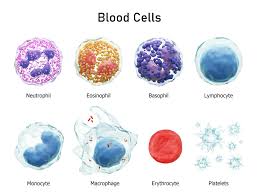
- Hematopoiesis: This is the study of how blood cells are formed, primarily within the “spongy” core of the bones known as bone marrow. Specialists examine the lifecycle of stem cells as they differentiate into various functional blood components.
- Red Blood Cell (RBC) Disorders: Often referred to as “benign” or “classical” hematology, this area focuses on conditions affecting oxygen transport, such as anemia (the most common blood disorder), thalassemia, and sickle cell disease.
- Malignant Hematology (Hemato-Oncology): This subspecialty deals with cancers of the blood and lymphatic systems. This includes:
- Leukemia: Cancer involving the rapid production of abnormal white blood cells.
- Lymphoma: Cancer of the lymph nodes and lymphatic system.
- Multiple Myeloma: Cancer originating in the plasma cells of the bone marrow.
- Hemostasis and Thrombosis: This area investigates the mechanisms of blood clotting (coagulation). It covers bleeding disorders like hemophilia and von Willebrand disease, as well as clotting disorders such as deep vein thrombosis (DVT).
- Transfusion Medicine: This involves the science of blood groups (A, B, AB, O, and Rh factors) and the safe administration of blood products from donors to patients.
Diagnostic Procedures and Tests
Hematology relies heavily on precise laboratory analysis to “solve mysteries” regarding a patient’s health.
- Complete Blood Count (CBC): The most fundamental test, measuring levels of white blood cells (WBCs), red blood cells (RBCs), platelets, hemoglobin, and hematocrit.
- Peripheral Blood Smear: A drop of blood is spread on a slide and examined under a microscope to look for abnormalities in cell shape, size, or maturity.
- Bone Marrow Biopsy: A procedure where a needle is used to extract a small sample of bone marrow to diagnose complex conditions like leukemia or bone marrow failure.
- Coagulation Tests: Tests like Prothrombin Time (PT) and Partial Thromboplastin Time (PTT) measure how long it takes for blood to clot.
Educational and Career Pathways
Becoming a specialist in this field—known as a hematologist—requires extensive medical training. In most regions, this involves a four-year medical degree followed by a three-year residency in internal medicine or pediatrics, and then a two-to-three-year fellowship in hematology.
The field is rapidly evolving in 2025 with breakthroughs in molecular hematology, including gene therapy for hemophilia and CAR-T cell therapy, which uses genetically modified T-cells to attack cancer cells. This makes it an exciting but emotionally demanding career choice, often involving the care of patients with life-threatening illnesses.
For those interested in further study, resources like the American Society of Hematology (ASH) provide extensive educational materials and clinical guidelines.
In summary, hematology is a vital and dynamic subject that combines the precision of laboratory diagnostics with the humanity of patient care, serving as a critical cornerstone of modern medicine. Do you have more specific questions about a particular blood disorder or the training required to enter this field?
Pathology for Medical Practice for 3 Years DMA Course
Pathology is often described as the “bridge” between basic science and clinical medicine, serving as the essential foundation for nearly all medical practice. It is the study of disease—specifically its causes (etiology), mechanisms of development (pathogenesis), and the structural and functional changes it inflicts on cells and tissues. In modern healthcare, over 70% of all medical decisions—including diagnosis and treatment plans—rely on pathology investigations.
প্যাথলজিকে প্রায়শই মৌলিক বিজ্ঞান এবং ক্লিনিকাল মেডিসিনের মধ্যে “সেতু” হিসেবে বর্ণনা করা হয়, যা প্রায় সকল চিকিৎসা অনুশীলনের জন্য অপরিহার্য ভিত্তি হিসেবে কাজ করে। এটি রোগের অধ্যয়ন – বিশেষ করে এর কারণ (এটিওলজি), বিকাশের প্রক্রিয়া (প্যাথোজেনেসিস), এবং কোষ এবং টিস্যুতে এর ফলে সৃষ্ট কাঠামোগত এবং কার্যকরী পরিবর্তন। আধুনিক স্বাস্থ্যসেবায়, রোগ নির্ণয় এবং চিকিৎসা পরিকল্পনা সহ – ৭০% এরও বেশি চিকিৎসা সিদ্ধান্ত প্যাথলজি তদন্তের উপর নির্ভর করে।
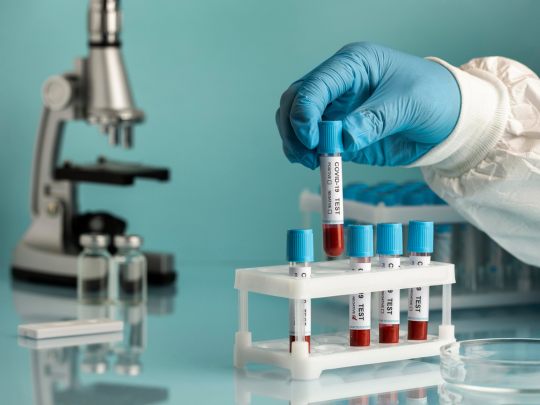
Core Branches of Medical Pathology
Pathology is broad and is typically divided into two primary categories, though many practitioners (general pathologists) work across both:
- Anatomical (Anatomic) Pathology: Focuses on the physical examination of organs and tissues.
- Surgical Pathology: Examining tissue removed during surgery (biopsies or resections) to identify disease, particularly cancer.
- Cytopathology: Studying individual cells from fluids or smears (e.g., Pap smears) to detect abnormalities.
- Forensic Pathology: Performing post-mortem examinations (autopsies) to determine the cause of death for legal or medical purposes.
- Clinical Pathology: Centered on the laboratory analysis of bodily fluids such as blood, urine, and cerebrospinal fluid.
- Chemical Pathology: Analyzing biochemical markers like electrolytes, enzymes, and hormones.
- Hematology: Diagnosing disorders of the blood and bone marrow, such as anemia or leukemia.
- Microbiology: Identifying infectious agents like bacteria, viruses, and fungi to guide antibiotic therapy.
The Pathologist’s Role in Patient Care
Often called the “doctor’s doctor,” pathologists work behind the scenes to guide primary physicians and surgeons. Their work is not limited to identifying a disease but extends to:
- Diagnosis: Determining exactly “what it is” by looking at cellular and molecular markers.
- Prognosis: Predicting how a disease will behave based on its specific characteristics.
- Treatment Selection: Identifying specific genetic mutations that might make a tumor vulnerable to targeted therapies (Precision Medicine).
- Monitoring: Analyzing repeated blood tests to track whether a treatment is working or if a disease is progressing.
Evolution into the 21st Century
Modern pathology is rapidly moving beyond the microscope into the realm of Molecular Pathology and Informatics.
- Molecular Pathology: Uses DNA and RNA sequencing to find the underlying genetic cause of diseases, which is now essential for modern cancer care.
- Digital Pathology: Involves scanning slides into high-resolution images for remote consultation (telepathology) and applying Artificial Intelligence (AI) to help identify patterns or biomarkers invisible to the human eye.
Career and Training
Becoming a pathologist is a long and rigorous process, typically requiring 11 to 13 years of education. This includes:
- Undergraduate Degree: Usually 4 years in a biological or chemical science.
- Medical School: 4 years to earn an MD or DO degree.
- Residency: 3 to 4 years of specialized pathology training.
- Fellowship (Optional): 1 to 2 years of further subspecialization in areas like neuropathology or dermatopathology.
Despite being an “invisible” specialty with limited direct patient contact, the field offers high job satisfaction due to its detective-like nature and critical impact on public health. Top-tier subspecialties like Neuropathology are among the highest-paid roles in the field.
Surgery-1 and Antimicrobial Drugs for 3 Years DMA Course
Surgery for 3 Years DMA Course
3 Years DMA Course Surgery, a term often used interchangeably with “operation,” represents one of the most critical and intricate branches of modern medicine. It is a discipline that utilizes manual and instrumental techniques to investigate, diagnose, or treat pathological conditions, such as injuries or diseases. While many people associate the word with high-stakes hospital environments, the field encompasses everything from life-saving emergency interventions to routine diagnostic biopsies performed in a doctor’s office.
অপারেশন” শব্দটি প্রায়শই “অপারেশন” এর সাথে বিনিময়যোগ্যভাবে ব্যবহৃত হয়, যা আধুনিক চিকিৎসার সবচেয়ে গুরুত্বপূর্ণ এবং জটিল শাখাগুলির মধ্যে একটি। এটি এমন একটি শাখা যা আঘাত বা রোগের মতো রোগগত অবস্থার তদন্ত, নির্ণয় বা চিকিৎসার জন্য ম্যানুয়াল এবং যন্ত্রগত কৌশল ব্যবহার করে। যদিও অনেকে এই শব্দটিকে উচ্চ-স্তরের হাসপাতালের পরিবেশের সাথে যুক্ত করে, এই ক্ষেত্রটিতে জীবন রক্ষাকারী জরুরি হস্তক্ষেপ থেকে শুরু করে ডাক্তারের অফিসে করা নিয়মিত ডায়াগনস্টিক বায়োপসি পর্যন্ত সবকিছু অন্তর্ভুক্ত রয়েছে।
The evolution of surgery has transformed it from a risky, often agonizing “art” into a precise scientific discipline. Historically, the three greatest barriers to successful surgery were pain, infection, and blood loss. Today, with the advent of advanced anesthesia, sterile techniques (antisepsis), and sophisticated tools like lasers and robotics, surgeons can perform procedures that were once considered impossible.
অস্ত্রোপচারের বিবর্তন এটিকে একটি ঝুঁকিপূর্ণ, প্রায়শই যন্ত্রণাদায়ক “শিল্প” থেকে একটি সুনির্দিষ্ট বৈজ্ঞানিক শাখায় রূপান্তরিত করেছে। ঐতিহাসিকভাবে, সফল অস্ত্রোপচারের তিনটি বৃহত্তম বাধা ছিল ব্যথা, সংক্রমণ এবং রক্তক্ষরণ। আজ, উন্নত অ্যানেস্থেসিয়া, জীবাণুমুক্ত কৌশল (অ্যান্টিসেপসিস) এবং লেজার এবং রোবোটিক্সের মতো অত্যাধুনিক সরঞ্জামের আবির্ভাবের সাথে সাথে, সার্জনরা এমন পদ্ধতিগুলি সম্পাদন করতে পারেন যা একসময় অসম্ভব বলে বিবেচিত হত।
The Scope and Goals of Surgery for 3 Years DMA Course
Surgeons do not just “cut”; they engage in a continuum of care that includes diagnosis, preparation, the procedure itself, and the subsequent recovery period. The primary goals of these interventions typically fall into several broad categories:
- Curative and Extirpative: The removal of diseased tissue or organs, such as taking out an infected appendix or a cancerous tumor.
- Diagnostic: Procedures like biopsies where a small piece of tissue is removed for examination under a microscope to confirm a diagnosis.
- Reconstructive: Restoring function or appearance after an injury, burn, or disease, such as repairing a broken bone with metal rods or performing plastic surgery.
- Palliative: Surgery intended to reduce pain or improve quality of life, even if the underlying disease (like advanced cancer) cannot be fully cured.
- Transplantation: The replacement of a failing organ with a healthy one from a donor.
Classifying Surgical Procedures
To better understand the risks and requirements of a specific operation, medical professionals often categorize surgeries based on their urgency and the approach taken:
- Timing and Urgency:
- Elective Surgery: These are planned procedures that can be scheduled in advance. While “elective” sounds optional, it often includes necessary treatments like joint replacements or even some cancer removals that are not immediate emergencies.
- Emergency Surgery: This is surgery that must be performed immediately to prevent death or serious disability, such as repairing internal bleeding from a car accident.
- Surgical Approach:
- Open Surgery: The traditional method involving a single, large incision to allow the surgeon direct access to the internal organs.
- Minimally Invasive Surgery (Keyhole Surgery): The surgeon makes several small cuts and uses a laparoscope—a thin tube with a camera and light—to see inside. Instruments are then inserted through the other small holes to perform the work, typically leading to faster recovery times.
The Surgical Team and Process
A modern surgical operation is a team effort. The surgical team typically includes a lead surgeon, a surgical assistant, an anesthesiologist, a scrub nurse to handle sterile equipment, and a circulating nurse to manage the room.
Before the procedure, patients undergo a process of “informed consent,” where the doctor explains the benefits and risks. Post-operative care is equally vital, focusing on wound care, pain management, and physical rehabilitation. Recovery times vary wildly: a minor biopsy might heal in days, whereas a total knee replacement can take months to a full year for a complete return to normal.
Risks and Modern Considerations
Despite high success rates, all surgeries carry inherent risks, including infection, excessive bleeding, or adverse reactions to anesthesia. Recent medical advisories in 2025 have highlighted specific new concerns, such as the increased risk of pulmonary aspiration during surgery for patients taking GLP-1 weight-loss drugs like Ozempic.
In summary, surgery remains a cornerstone of medical treatment, continuously advancing through technology to become safer and less invasive. If you are facing surgery, it is always recommended to seek detailed information from your healthcare provider and, when possible, a second opinion to understand all your treatment options
Antimicrobial Drugs for 3 Years DMA Course
3 Years DMA Course Antimicrobial drugs represent one of the most significant advancements in the history of medicine, fundamentally altering the human experience by making once-fatal infections manageable and often curable. At its core, an antimicrobial is any substance—whether natural, semisynthetic, or fully synthetic—that is designed to kill or inhibit the growth of microorganisms. This “umbrella” term encompasses a wide range of medications tailored to specific types of pathogens: bacteria, fungi, viruses, and parasites.
অ্যান্টিমাইক্রোবিয়াল ওষুধ চিকিৎসা বিজ্ঞানের ইতিহাসের সবচেয়ে উল্লেখযোগ্য অগ্রগতিগুলির মধ্যে একটি, যা একসময়ের মারাত্মক সংক্রমণকে নিয়ন্ত্রণযোগ্য এবং প্রায়শই নিরাময়যোগ্য করে তুলে মানুষের অভিজ্ঞতাকে মৌলিকভাবে পরিবর্তন করে। এর মূলে, অ্যান্টিমাইক্রোবিয়াল হল যেকোনো পদার্থ—প্রাকৃতিক, আধা-কৃত্রিম, অথবা সম্পূর্ণরূপে সিন্থেটিক—যা অণুজীবকে হত্যা বা বৃদ্ধি রোধ করার জন্য তৈরি। এই “ছাতা” শব্দটি নির্দিষ্ট ধরণের রোগজীবাণু: ব্যাকটেরিয়া, ছত্রাক, ভাইরাস এবং পরজীবীদের জন্য তৈরি বিস্তৃত ওষুধকে অন্তর্ভুক্ত করে।
The primary goal of antimicrobial therapy is selective toxicity, the ability of a drug to kill or inhibit the pathogen without causing significant damage to the host. This is achieved by targeting biological structures or metabolic pathways that are unique to the microbe and absent in human cells. For instance, many antibiotics target the bacterial cell wall—a structure humans do not have—while others target specific bacterial ribosomes that differ from our own.
অ্যান্টিমাইক্রোবিয়াল থেরাপির প্রাথমিক লক্ষ্য হল নির্বাচনী বিষাক্ততা, যা কোনও ওষুধের রোগজীবাণুকে মেরে ফেলার বা বাধা দেওয়ার ক্ষমতা, যা জীবাণুর উল্লেখযোগ্য ক্ষতি না করেই রোগজীবাণুকে মেরে ফেলে। এটি জৈবিক কাঠামো বা বিপাকীয় পথগুলিকে লক্ষ্য করে অর্জন করা হয় যা জীবাণুর জন্য অনন্য এবং মানব কোষে অনুপস্থিত। উদাহরণস্বরূপ, অনেক অ্যান্টিবায়োটিক ব্যাকটেরিয়ার কোষ প্রাচীরকে লক্ষ্য করে – এমন একটি কাঠামো যা মানুষের নেই – অন্যদিকে অন্যরা নির্দিষ্ট ব্যাকটেরিয়া রাইবোসোমগুলিকে লক্ষ্য করে যা আমাদের নিজস্ব থেকে আলাদা।
Core Classifications of Antimicrobial Drugs for 3 Years DMA Course
Antimicrobial drugs are categorized based on the type of organism they target, their chemical structure, and their specific mode of action.
- Antibiotics (Antibacterials): These are the most common antimicrobials and specifically target bacteria. They are further divided into:
- Bactericidal agents: These drugs directly kill the bacteria (e.g., penicillins, cephalosporins).
- Bacteriostatic agents: These drugs inhibit the reproduction of bacteria, allowing the host’s immune system to clear the infection (e.g., tetracyclines, macrolides).
- Antifungals: These medications treat infections caused by fungi, such as yeasts or molds. Because fungi are eukaryotic—meaning their cell structure is more similar to human cells—developing antifungals with selective toxicity is more challenging than developing antibiotics, often leading to more side effects. Common examples include fluconazole and ketoconazole.
- Antivirals: Viruses are obligate intracellular pathogens, meaning they reproduce inside host cells using the host’s own machinery. Antiviral drugs must therefore inhibit viral replication without destroying the host cell itself. Famous examples include acyclovir for herpes and various antiretroviral therapies (ART) for HIV.
- Antiparasitics: This class includes drugs to treat infections from protozoa (like malaria) and helminths (worms). Medications like chloroquine and ivermectin belong to this group.
Key Mechanisms of Action for 3 Years DMA Course
Antimicrobials disrupt the life cycle of pathogens through several sophisticated biochemical strategies:
- Inhibition of Cell Wall Synthesis: Drugs like penicillin and vancomycin prevent the formation of peptidoglycan, an essential component of the bacterial cell wall, causing the cell to burst under osmotic pressure.
- Inhibition of Protein Synthesis: These agents bind to either the 30S or 50S subunits of bacterial ribosomes, stopping the translation of genetic code into the proteins necessary for life. Examples include doxycycline and azithromycin.
- Inhibition of Nucleic Acid Synthesis: Some drugs block the enzymes needed to replicate DNA or transcribe RNA. Ciprofloxacin, for instance, inhibits DNA gyrase, while rifampin blocks RNA polymerase.
- Disruption of Cell Membranes: Certain agents, like polymyxin B, damage the integrity of the microbial cell membrane, causing vital nutrients to leak out.
- Inhibition of Metabolic Pathways: Antimetabolites like sulfonamides (sulfa drugs) mimic the structures of natural compounds to trick microbes into a “starvation” state, notably by blocking folic acid synthesis.
The Global Challenge: Antimicrobial Resistance (AMR)
Perhaps the most critical topic in modern microbiology is Antimicrobial Resistance (AMR). AMR occurs when microorganisms evolve mechanisms to survive exposure to drugs that should have killed them. This is a natural evolutionary process accelerated by the misuse and overuse of these drugs in humans, animals, and agriculture.
3 Years DMA Course Common resistance mechanisms include producing enzymes that destroy the drug (like β-lactamase), pumping the drug out of the cell (efflux pumps), or changing the drug’s target site so it can no longer bind. In 2025, AMR remains a top-tier public health threat, directly contributing to millions of deaths annually and threatening to return medicine to a “pre-antibiotic era” where simple surgeries and infections become life-threatening once again
Cardiovascular Anatomy for 3 Years DMA Course
The cardiovascular system, often interchangeably referred to as the circulatory system, serves as the body’s primary transportation network, ensuring that every cell receives the oxygen and nutrients required for survival while efficiently removing metabolic waste products like carbon dioxide. This complex physiological machine is comprised of the heart, a network of blood vessels, and the blood itself.
হৃদযন্ত্র, যা প্রায়শই পরিবাহকতন্ত্র নামে পরিচিত, শরীরের প্রাথমিক পরিবহন নেটওয়ার্ক হিসেবে কাজ করে, যা নিশ্চিত করে যে প্রতিটি কোষ বেঁচে থাকার জন্য প্রয়োজনীয় অক্সিজেন এবং পুষ্টি গ্রহণ করে এবং একই সাথে কার্বন ডাই অক্সাইডের মতো বিপাকীয় বর্জ্য পদার্থগুলি দক্ষতার সাথে অপসারণ করে। এই জটিল শারীরবৃত্তীয় যন্ত্রটি হৃৎপিণ্ড, রক্তনালীগুলির একটি নেটওয়ার্ক এবং রক্ত নিজেই নিয়ে গঠিত।
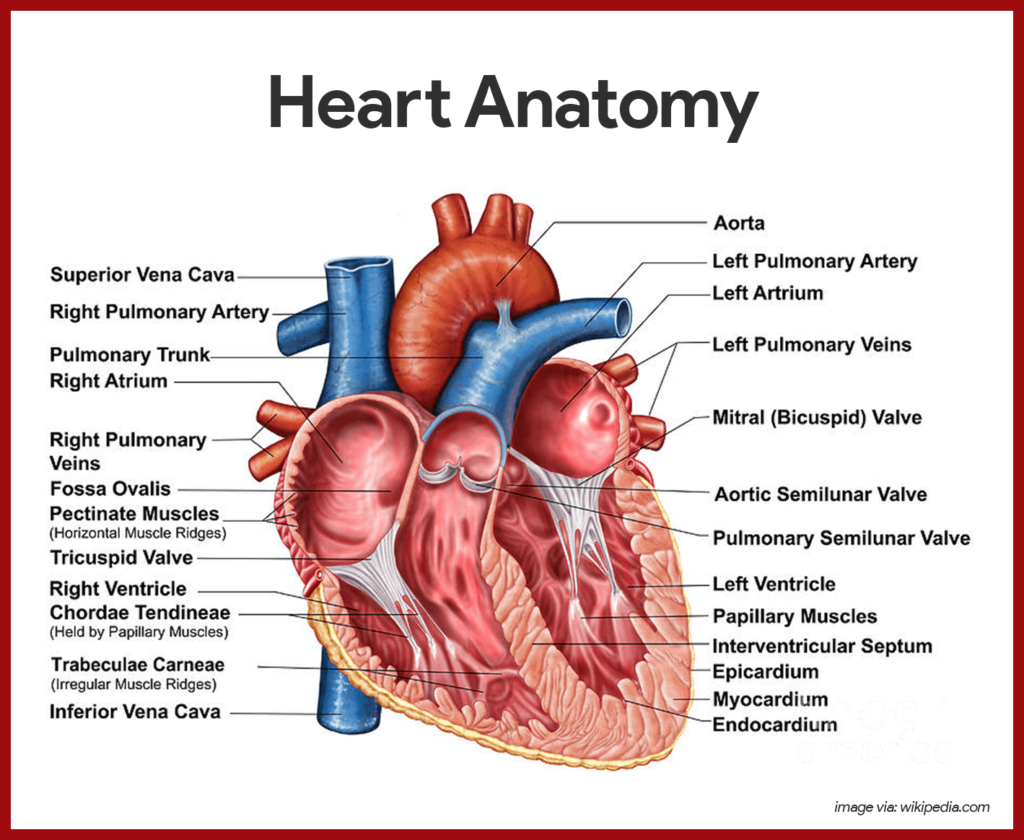
At its core, cardiovascular anatomy is an study of fluid dynamics and mechanical engineering. The heart acts as a dual-action pump, circulating blood through two distinct but interconnected loops: the pulmonary circulation, which exchanges gases in the lungs, and the systemic circulation, which services the rest of the body’s tissues.
এর মূলে, কার্ডিওভাসকুলার অ্যানাটমি হল তরল গতিবিদ্যা এবং যান্ত্রিক প্রকৌশলের একটি অধ্যয়ন। হৃদপিণ্ড একটি দ্বৈত-ক্রিয়া পাম্প হিসাবে কাজ করে, দুটি স্বতন্ত্র কিন্তু আন্তঃসংযুক্ত লুপের মাধ্যমে রক্ত সঞ্চালন করে: ফুসফুসের সঞ্চালন, যা ফুসফুসে গ্যাস বিনিময় করে এবং সিস্টেমিক সঞ্চালন, যা শরীরের বাকি টিস্যুগুলিকে পরিষেবা দেয়।
The Heart: The Central Pump for 3 Years DMA Course
The human heart is a hollow, muscular organ roughly the size of a large clenched fist, weighing between 250 and 350 grams. It is situated in the mediastinum, the central compartment of the thoracic cavity, behind the sternum and between the lungs.
- Heart Walls and Layers: The heart is protected by the pericardium, a double-layered sac containing a small amount of lubricating fluid to reduce friction during beats. The wall of the heart itself consists of three distinct layers:
- Epicardium: The thin, protective outer layer.
- Myocardium: The thick middle layer composed of specialized cardiac muscle tissue responsible for the powerful contractions that pump blood.
- Endocardium: The smooth inner lining of the chambers and valves, which is continuous with the endothelial lining of the blood vessels.
- Chambers of the Heart: The heart is divided into four chambers—two superior atria and two inferior ventricles.
- Right Atrium: Receives deoxygenated blood from the body via the superior and inferior venae cavae.
- Right Ventricle: Receives blood from the right atrium and pumps it into the pulmonary trunk toward the lungs.
- Left Atrium: Receives oxygen-rich blood returning from the lungs through the pulmonary veins.
- Left Ventricle: The largest and thickest-walled chamber; it pumps oxygenated blood with great force through the aorta to the entire systemic circulation.
- The Valvular System: Four valves act as one-way “doors” to ensure blood moves in only one direction.
- Atrioventricular (AV) Valves: These include the tricuspid valve (right side) and the mitral valve (left side), which prevent blood from flowing back into the atria when the ventricles contract.
- Semilunar Valves: These include the pulmonary valve and the aortic valve, located at the exits of the ventricles to prevent backflow from the great vessels during the relaxation phase.
The Vascular Network: Arteries, Veins, and Capillaries
Blood vessels form a vast network that, if laid end-to-end, would extend for approximately 60,000 miles. They are categorized based on their structure and the direction of blood flow.
- Arteries: These muscular vessels carry blood away from the heart. Because they must withstand high pressure, they have thick, elastic walls. The aorta is the largest artery in the body. As arteries branch further from the heart, they become smaller arterioles, which are key regulators of blood pressure.
- Capillaries: These are the smallest vessels, with walls only one cell thick. They are the site of actual exchange where oxygen and nutrients pass into tissues and waste products enter the bloodstream.
- Veins: These vessels return blood to the heart. Since blood pressure in veins is much lower than in arteries, they have thinner walls and often feature one-way valves to prevent backflow, especially in the limbs where blood must move against gravity.
Electrical Conduction and the Cardiac Cycle
The heart does not require external nerve signals to beat; it has its own intrinsic electrical system.
- Sinoatrial (SA) Node: Located in the right atrium, it is the heart’s “natural pacemaker,” initiating the electrical impulse for each beat.
- Atrioventricular (AV) Node: This node delays the electrical signal slightly, allowing the atria to fully contract and empty blood into the ventricles before the ventricles contract.
- Bundle of His and Purkinje Fibers: These specialized fibers distribute the electrical impulse rapidly throughout the ventricles, ensuring a coordinated, powerful contraction.
The rhythmic cycle of the heart is divided into two phases: systole (contraction and ejection of blood) and diastole (relaxation and filling of the chambers).
Coronary Circulation: Feeding the Heart
The heart muscle itself requires a constant supply of oxygenated blood. This is provided by the coronary arteries, which branch directly from the base of the aorta. The left main coronary artery and the right coronary artery supply different regions of the myocardium. Deoxygenated blood from the heart tissue is collected by cardiac veins and drains into the coronary sinus, which empties into the right atrium.
In summary, cardiovascular anatomy describes a highly specialized system designed for the continuous, life-sustaining movement of blood. From the muscular prowess of the left ventricle to the delicate exchange at the capillary level, every component is critical for maintaining homeostasis. Understanding these structures provides the foundation for diagnosing and treating a wide range of cardiovascular diseases, from valve abnormalities to coronary artery blockages. If you have further questions about specific components like fetal circulation or the mechanics of heart sounds, feel free to ask!
Medical Diagnosis-1&2 for 3 Years DMA Course
Medical diagnosis is a fundamental cognitive and procedural cornerstone of healthcare, representing the dynamic process of identifying the nature and cause of a patient’s illness. In essence, it is a high-level form of problem-solving where a clinician “discerns” (from the Greek diagignōskein) the differences between health and disease or distinguishes one specific pathology from another. This intricate journey translates the “external language” of a patient’s symptoms and observable signs into the “internal language” of medical science and pathology.
চিকিৎসা রোগ নির্ণয় স্বাস্থ্যসেবার একটি মৌলিক জ্ঞানীয় এবং পদ্ধতিগত ভিত্তি, যা রোগীর অসুস্থতার প্রকৃতি এবং কারণ সনাক্তকরণের গতিশীল প্রক্রিয়ার প্রতিনিধিত্ব করে। মূলত, এটি সমস্যা সমাধানের একটি উচ্চ-স্তরের রূপ যেখানে একজন চিকিৎসক স্বাস্থ্য এবং রোগের মধ্যে পার্থক্য “বুঝেন” (গ্রীক ডায়াগনোস্কেইন থেকে) অথবা একটি নির্দিষ্ট রোগবিদ্যাকে অন্য রোগবিদ্যা থেকে আলাদা করেন। এই জটিল যাত্রা রোগীর লক্ষণ এবং পর্যবেক্ষণযোগ্য লক্ষণগুলির “বাহ্যিক ভাষা” চিকিৎসা বিজ্ঞান এবং রোগবিদ্যার “অভ্যন্তরীণ ভাষায়” অনুবাদ করে।
The Multi-Step Diagnostic Process
The modern diagnostic procedure is rarely a singular event but rather a cyclical, iterative journey involving several core phases to reduce uncertainty:
- Clinical History and Interview: This is often the most critical step, where the clinician gathers a detailed account of the present illness, past medical history, family genetics, social lifestyle, and medication use. It has been said that a patient’s own history can “trump” expensive investigations if carefully listened to.
- Physical Examination: A hands-on assessment where the clinician collects vital signs (like heart rate and blood pressure) and uses techniques such as inspection, palpation (feeling), percussion (tapping), and auscultation (listening with a stethoscope) to identify physical abnormalities.
- Differential Diagnosis: Using the initial data, the provider creates a “differential diagnosis”—a prioritized list of possible conditions that could explain the symptoms.
- Diagnostic Testing: To narrow this list, targeted tests are ordered. These range from laboratory work (blood, urine) and medical imaging (X-rays, CT scans, MRIs) to specialized biopsies or neurocognitive assessments.
- Deduction and Verification: The final step involves integrating all collected evidence to arrive at a “working diagnosis.” If a treatment plan is initiated, the patient’s response to it serves as a final “feedback loop” to confirm or refine the original diagnostic theory.
Cognitive Approaches to Diagnosis for 3-Year DMA Course
Clinicians utilize two primary cognitive frameworks, often referred to as “Dual Process Theory”:
- System 1 (Intuitive): This is fast, unconscious pattern recognition used by experienced doctors for “obvious” cases—for example, instantly recognizing a bull’s-eye rash as Lyme disease.
- System 2 (Analytic): This is slow, deliberate, and logical reasoning. It is activated when a case is complex or unusual, requiring the clinician to methodically test hypotheses and appraise evidence.
Modern Challenges and Innovations
Despite its critical importance, the process is fraught with potential for error. Diagnostic errors—either failing to establish an accurate explanation or failing to communicate it—affect most people at least once in their lives. Common pitfalls include:
- Cognitive Biases: Such as “anchoring bias,” where a doctor relies too heavily on their first impression and ignores later conflicting data.
- Overdiagnosis: Labeling a “disease” that will never actually cause harm or symptoms during a patient’s life, which can lead to unnecessary treatment and anxiety.
- The “Diagnostic Odyssey”: A term used for cases where a diagnosis takes an excessively long time to reach, often seen with rare diseases.
To combat these challenges, 2025 sees an increasing integration of Clinical Decision Support Systems (CDSS) and Artificial Intelligence. These tools use machine learning to help clinicians process vast amounts of data and suggest prioritized differential lists, though they are designed to support—not replace—human clinical judgment.
Summary of Diagnostic Significance
A proper diagnosis is not just a label; it is the prerequisite for an effective treatment plan, a prediction of the disease’s course (prognosis), and a means of reducing patient anxiety by providing clarity. Whether it is a clinical diagnosis based on signs, a laboratory diagnosis from test results, or a radiological diagnosis from imaging, the ultimate goal remains “diagnostic excellence”—achieving care that is safe, timely, equitable, and patient-centered.
Chemistry and Medical Biochemistry for 3 Years DMA Course
Chemistry for for 3 Years DMA Course
Chemistry is the scientific study of matter, its properties, composition, and the transformations it undergoes during chemical reactions. Often described as the “central science,” it serves as a bridge that connects other natural sciences, such as physics, biology, and geology, by providing a fundamental understanding of the microscopic world of atoms and molecules.
রসায়ন হলো পদার্থ, এর বৈশিষ্ট্য, গঠন এবং রাসায়নিক বিক্রিয়ার সময় এর রূপান্তরের বৈজ্ঞানিক অধ্যয়ন। প্রায়শই “কেন্দ্রীয় বিজ্ঞান” হিসাবে বর্ণনা করা হয়, এটি একটি সেতু হিসেবে কাজ করে যা পদার্থবিদ্যা, জীববিজ্ঞান এবং ভূতত্ত্বের মতো অন্যান্য প্রাকৃতিক বিজ্ঞানকে সংযুক্ত করে, পরমাণু এবং অণুর আণুবীক্ষণিক জগতের একটি মৌলিক ধারণা প্রদান করে।
Core Concepts of Chemistry
At its heart, chemistry seeks to explain why “stuff” behaves the way it does. The universe is composed of various forms of matter, all made of tiny building blocks called atoms.
- Atoms and Elements: An atom is the basic unit of chemistry, consisting of a nucleus (protons and neutrons) surrounded by electrons. A pure substance made of only one type of atom is a chemical element.
- Molecules and Compounds: When two or more atoms bond together, they form molecules or compounds with entirely different properties than the individual elements.
- Chemical Reactions: These are processes where substances transform into new substances by breaking and reforming chemical bonds.
- Energy Changes: Chemical processes invariably involve energy, which is either released (exothermic) or absorbed (endothermic) during a reaction.
The Five Main Branches
To manage the vast scope of the material world, chemistry is traditionally divided into five primary sub-disciplines:
- Organic Chemistry: The study of carbon-based compounds, which are the foundation of all known life.
- Inorganic Chemistry: The study of substances that typically do not contain carbon, such as minerals, metals, and semiconductors.
- Physical Chemistry: This field applies the principles of physics (like thermodynamics and quantum mechanics) to study how chemical systems behave.
- Analytical Chemistry: Focused on the “what” and “how much,” this branch involves identifying and quantifying the components of matter.
- Biochemistry: The study of chemical processes within and relating to living organisms, merging the worlds of biology and chemistry.
Historical Context: From Alchemy to Science
Chemistry evolved from the ancient practice of alchemy, which sought to transform base metals like lead into gold and discover the “elixir of life”. While alchemy was steeped in mysticism, it laid the groundwork by developing laboratory techniques and cataloging observations. The transition to modern chemistry occurred during the 17th and 18th centuries with pioneers like Robert Boyle, who championed the scientific method, and Antoine Lavoisier, the “father of modern chemistry,” who established the law of conservation of mass.
Chemistry in 2025 and Beyond
In 2025, chemistry remains a dynamic field at the forefront of global challenges. Recent research highlights the use of quantum mechanics to decode the hidden chemistry of ice and the development of hybrid metal–organic frameworks for sustainable “green” ammonia synthesis to reduce carbon emissions. The field continues to expand into specialized areas such as neurochemistry, materials science, and environmental chemistry, proving that understanding the molecular world is essential for solving the problems of the future.
Whether it is the digestion of your last meal, the production of life-saving vaccines, or the functioning of your smartphone screen, chemistry is the invisible force that defines our modern existence.
Orthopedic Anatomy for 3 Years DMA Course
Orthopedic anatomy is the specialized study of the human musculoskeletal system, focusing on the structures that provide form, stability, and movement to the body. For clinicians and students, this field bridges the gap between basic gross anatomy and the practical requirements of surgical or rehabilitative treatment. It encompasses the complex interplay between bones, joints, muscles, tendons, ligaments, and nerves.
অর্থোপেডিক অ্যানাটমি হল মানুষের পেশীবহুল সিস্টেমের বিশেষায়িত অধ্যয়ন, যা দেহের গঠন, স্থিতিশীলতা এবং নড়াচড়া প্রদানকারী কাঠামোর উপর দৃষ্টি নিবদ্ধ করে। চিকিৎসক এবং শিক্ষার্থীদের জন্য, এই ক্ষেত্রটি মৌলিক স্থূল শারীরস্থান এবং অস্ত্রোপচার বা পুনর্বাসনমূলক চিকিৎসার ব্যবহারিক প্রয়োজনীয়তার মধ্যে সেতুবন্ধন তৈরি করে। এটি হাড়, জয়েন্ট, পেশী, টেন্ডন, লিগামেন্ট এবং স্নায়ুর মধ্যে জটিল পারস্পরিক ক্রিয়াকে অন্তর্ভুক্ত করে।
The Foundations: Bone Structure and Physiology
Bones are the dynamic building blocks of orthopedic anatomy, serving as both structural support and metabolic reservoirs.
- Anatomy of a Long Bone: In orthopedics, a long bone (like the femur or humerus) is divided into specific functional zones:
- Epiphysis: The rounded ends of the bone, covered in articular hyaline cartilage to facilitate smooth joint movement.
- Diaphysis: The main shaft of the bone, containing the medullary cavity and bone marrow.
- Metaphysis: The transitional area between the epiphysis and diaphysis, which in growing children contains the epiphyseal plate (growth plate).
- Composition: Bone tissue consists of a hard outer layer called cortical (compact) bone and a porous interior known as cancellous (spongy) bone. The orientation of the bony trabeculae within cancellous bone follows Wolff’s Law, meaning they align themselves to best withstand the mechanical stresses of weight-bearing and muscle activity.
Articulations and Joint Mechanics
A joint is where two bones meet, and its specific structure determines the range and type of motion possible.
- Synovial Joints: These are the most common joints in the body and are characterized by a fluid-filled joint capsule.
- Specialized Structures:
- Articular Cartilage: A smooth, slippery coating on bone ends that lacks a blood supply, making it unable to self-repair if damaged.
- Meniscus: Found specifically in the knee, these C-shaped cartilage discs provide cushioning and stability.
- Labrum: A specialized ring of fibrocartilage found only in the shoulder (glenoid) and hip sockets to deepen the joint and improve stability.
The Soft Tissue Network
Soft tissues are critical for the stabilization and propulsion of the skeletal system.
- Ligaments and Tendons:
- Ligaments: Dense bands of fibrous tissue that connect bone to bone, providing passive stability to joints. Injury to a ligament is classified as a sprain.
- Tendons: Fibrous cords that connect muscle to bone, transmitting the force of muscle contraction to create movement.
- Muscular Layers: Muscles are often arranged in functional groups within fascial compartments. For example, the shoulder’s deep layer is comprised of the rotator cuff (supraspinatus, infraspinatus, teres minor, and subscapularis), which acts as a dynamic stabilizer for the joint.
General Pathology-1 for 3 Years DMA Course
General pathology serves as the foundational scientific bridge between basic science and clinical medicine. It is the comprehensive study of the mechanisms underlying disease, focusing on how cells, tissues, and organs respond to abnormal stimuli. By examining these fundamental processes, general pathology provides the “why” and “how” behind the symptoms patients experience, allowing clinicians to diagnose and treat conditions with scientific precision.
সাধারণ রোগবিদ্যা মৌলিক বিজ্ঞান এবং ক্লিনিক্যাল মেডিসিনের মধ্যে ভিত্তিগত বৈজ্ঞানিক সেতু হিসেবে কাজ করে। এটি রোগের অন্তর্নিহিত প্রক্রিয়াগুলির একটি বিস্তৃত অধ্যয়ন, যা কোষ, টিস্যু এবং অঙ্গগুলি অস্বাভাবিক উদ্দীপনার প্রতি কীভাবে প্রতিক্রিয়া দেখায় তার উপর দৃষ্টি নিবদ্ধ করে। এই মৌলিক প্রক্রিয়াগুলি পরীক্ষা করে, সাধারণ রোগবিদ্যা রোগীদের লক্ষণগুলির পিছনে “কেন” এবং “কিভাবে” তা প্রদান করে, যা চিকিত্সকদের বৈজ্ঞানিক নির্ভুলতার সাথে রোগ নির্ণয় এবং চিকিৎসা করার সুযোগ দেয়।
In a clinical setting, general pathology is often used to describe a practitioner who oversees multiple laboratory disciplines—such as hematology, microbiology, and chemical pathology—to provide a holistic diagnostic service. Whether viewed as a medical specialty or a field of academic study, its goal is to decode the language of injury and repair within the human body.
ক্লিনিক্যাল সেটিংয়ে, সাধারণ প্যাথলজি প্রায়শই এমন একজন অনুশীলনকারীকে বর্ণনা করতে ব্যবহৃত হয় যিনি একাধিক পরীক্ষাগার শাখার তত্ত্বাবধান করেন – যেমন হেমাটোলজি, মাইক্রোবায়োলজি এবং রাসায়নিক প্যাথলজি – একটি সামগ্রিক রোগ নির্ণয় পরিষেবা প্রদানের জন্য। চিকিৎসা বিশেষজ্ঞ হিসেবে দেখা হোক বা একাডেমিক অধ্যয়নের ক্ষেত্র, এর লক্ষ্য হল মানবদেহের মধ্যে আঘাত এবং মেরামতের ভাষা বোঝা।
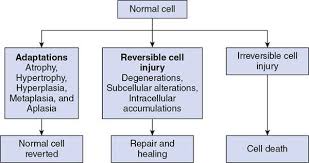
The Four Pillars of Disease Analysis
When pathologists investigate a disease, they analyze it through four core lenses that define its nature and progression:
- Etiology (The Cause): This is the study of why a disease starts. Etiology can be genetic (inherited mutations) or acquired (e.g., infectious agents, toxins, trauma, or nutritional deficiencies). If a cause is unknown, it is termed idiopathic.
- Pathogenesis (The Mechanism): This refers to the sequence of events from the initial stimulus to the ultimate expression of the disease. It explains the “biological journey” the disease takes within the body’s systems.
- Morphologic Changes (The Appearance): These are the structural alterations in cells or tissues that are characteristic of the disease. They can be gross (visible to the naked eye during surgery or autopsy) or microscopic (visible only under a microscope).
- Clinical Significance (The Impact): This examines how the structural changes lead to functional abnormalities (signs and symptoms) and influence the patient’s prognosis.
Core Concepts in General Pathology
The study of general pathology is typically organized into several critical themes that apply to almost all organ systems:
- Cellular Adaptation and Injury: Cells constantly strive for homeostasis. When stressed, they may adapt through processes like hypertrophy (increase in cell size) or hyperplasia (increase in cell number). If the stress is too severe, the cell suffers injury, which may be reversible or lead to cell death through necrosis or apoptosis.
- Inflammation and Repair: This is the body’s protective response to eliminate the cause of injury and clear out damaged tissue. It includes acute inflammation (rapid onset, short duration) and chronic inflammation (prolonged duration, often leading to scarring or “fibrosis”).
- Hemodynamic Disorders: This area covers disturbances in blood flow and fluid balance, including edema (swelling), hemorrhage (bleeding), thrombosis (clot formation), and shock.
- Neoplasia (Cancer): The study of tumors, including the genetic and molecular basis of how normal cells transform into malignant ones that can spread (metastasize) throughout the body.
- Immunopathology: Investigates diseases caused by immune system malfunctions, such as autoimmune diseases, allergies, and immunodeficiencies.
The Role of the General Pathologist
A general pathologist is often described as a “doctor’s doctor.” Because they rarely have direct patient contact, they serve as expert consultants to other physicians. Their work involves:
- Laboratory Management: Directing clinical labs to ensure the quality and accuracy of millions of tests.
- Diagnostic Interpretation: Analyzing biopsies, blood samples, and body fluids to provide a definitive diagnosis.
- Consultation: Working with surgeons during operations (e.g., “frozen sections” to check for cancer margins) and helping oncologists choose the best targeted therapies based on molecular markers.
- Autopsy (Post-mortem): Performing examinations after death to determine the cause of death and provide a final “quality control” on the medical care provided during life.
Why General Pathology Matters in 2025
Modern medicine is increasingly moving toward precision medicine, where treatments are tailored to the specific molecular profile of a patient’s disease. General pathology provides the framework for this by integrating traditional tissue analysis with cutting-edge molecular pathology and digital pathology. By 2025, tools like artificial intelligence (AI) and high-speed genomic sequencing have become integral to the pathologist’s toolkit, allowing for faster and more accurate disease classification than ever before.
Pathology is a vast and evolving world that remains at the very heart of patient care. Whether you are curious about the microscopic details of a single cell or the broad management of a hospital laboratory, general pathology offers the answers. If you have more specific questions about a certain branch—like forensic pathology or the specifics of how cancer is staged—feel free to ask!
Pharmacology-2 for 3 Years DMA Course
In the vast field of medical and pharmaceutical sciences, Pharmacology-II represents a critical bridge between foundational biological principles and complex clinical therapeutics. While introductory pharmacology (Pharmacology-I) often focuses on universal principles like pharmacokinetics (how the body moves a drug) and pharmacodynamics (how a drug changes the body), Pharmacology-II shifts into “systemic pharmacology”. This stage of study is dedicated to the specific interactions between drugs and the major physiological systems—most notably the cardiovascular, urinary, and endocrine systems.
চিকিৎসা ও ঔষধ বিজ্ঞানের বিশাল ক্ষেত্রে, ফার্মাকোলজি-II মৌলিক জৈবিক নীতি এবং জটিল ক্লিনিকাল থেরাপিউটিকসের মধ্যে একটি গুরুত্বপূর্ণ সেতুবন্ধন প্রতিনিধিত্ব করে। যদিও প্রাথমিক ফার্মাকোলজি (ফার্মাকোলজি-I) প্রায়শই ফার্মাকোকাইনেটিক্স (কীভাবে শরীর একটি ওষুধকে স্থানান্তর করে) এবং ফার্মাকোডাইনামিক্স (কীভাবে একটি ওষুধ শরীরকে পরিবর্তন করে) এর মতো সার্বজনীন নীতিগুলির উপর দৃষ্টি নিবদ্ধ করে, ফার্মাকোলজি-II “সিস্টেমিক ফার্মাকোলজি” তে রূপান্তরিত হয়। অধ্যয়নের এই পর্যায়টি ওষুধ এবং প্রধান শারীরবৃত্তীয় সিস্টেমগুলির মধ্যে নির্দিষ্ট মিথস্ক্রিয়াগুলির জন্য নিবেদিত – বিশেষ করে কার্ডিওভাসকুলার, মূত্রনালীর এবং অন্তঃস্রাবী সিস্টেমগুলির মধ্যে।
Understanding Pharmacology-II is essential for healthcare professionals because it provides the scientific rationale for why certain medications are prescribed for specific diseases. It moves beyond knowing what a drug does and delves deep into the molecular “handshake” between a chemical compound and a biological receptor to resolve pathological states like heart failure, hypertension, or hormonal imbalances.
স্বাস্থ্যসেবা পেশাদারদের জন্য ফার্মাকোলজি-II বোঝা অপরিহার্য কারণ এটি নির্দিষ্ট রোগের জন্য নির্দিষ্ট ওষুধ কেন নির্ধারিত হয় তার বৈজ্ঞানিক যুক্তি প্রদান করে। এটি একটি ওষুধ কী করে তা জানার বাইরেও যায় এবং হৃদরোগ, উচ্চ রক্তচাপ বা হরমোনের ভারসাম্যহীনতার মতো রোগগত অবস্থার সমাধানের জন্য একটি রাসায়নিক যৌগ এবং একটি জৈবিক রিসেপ্টরের মধ্যে আণবিক “হ্যান্ডশেক”-এর গভীরে অনুসন্ধান করে।
Core Systems Studied in Pharmacology-II for 3-Year DMA Course
The curriculum for Pharmacology-II is typically structured around the major organ systems of the human body, focusing on how drugs can restore balance to these systems when they are failing.
- Cardiovascular System (CVS) Pharmacology: This is arguably the most intensive section of the course. Students examine drugs that affect the heart and blood vessels, including:
- Anti-hypertensives: Medications like ACE inhibitors and beta-blockers that manage high blood pressure.
- Anti-anginals and Anti-arrhythmics: Drugs used to treat chest pain (angina) and irregular heart rhythms.
- Cardiac Glycosides: Such as Digoxin, which increases the force of heart muscle contractions and is a staple in managing congestive heart failure.
- Therapy for Shock: Includes plasma volume expanders and drugs used to restore tissue perfusion during life-threatening drops in blood pressure.
- Urinary System Pharmacology: The primary focus here is on Diuretics. These are vital for managing fluid overload in patients with heart, liver, or kidney disease by increasing the excretion of water and salts.
- Endocrine System Pharmacology: This unit covers the body’s chemical messengers, including:
- Pituitary and Thyroid Hormones: Drugs that replace or inhibit these master hormones.
- Insulin and Oral Hypoglycemics: The pharmacological management of Diabetes Mellitus.
- Steroids and Oral Contraceptives: Including estrogens, progesterones, and drugs acting on the uterus.
- Autacoids: These are “local hormones” like histamines, prostaglandins, and serotonin that act near their site of synthesis. Pharmacology-II explores how antihistamines and non-steroidal anti-inflammatory drugs (NSAIDs) interact with these substances to manage pain and allergy.
Pharmacological Methodology and Advanced Concepts
Beyond just memorizing drug classes, Pharmacology-II introduces advanced scientific methodologies used to measure drug activity and safety.
- Bioassays: This involves the use of living tissues or organisms to estimate the potency of a substance. For example, a student might study how oxytocin affects a rat’s uterine horn to understand its contraction-inducing properties.
- Pharmacology across the Lifespan: A significant portion of modern Pharmacology-II courses address how drug kinetic and dynamic properties change in specific populations, such as children, the elderly, or pregnant and breastfeeding women.
- Toxicology and Safety: Students learn the “therapeutic index”—the ratio between a dose that is effective and a dose that is toxic. Drugs with a “narrow therapeutic index,” like Warfarin, require extremely precise dosing and constant monitoring.
Study and Practical Application
Because of the sheer volume of information—including drug names, mechanisms of action, and side effects—Pharmacology-II is widely considered one of the more challenging courses in medical and pharmacy education. Successful students often use active recall strategies, such as creating drug cards and studying at least 24-48 hours before exams.
In practice, the knowledge gained in this course is used daily by clinicians to:
- Develop comprehensive pharmacological plans for complex cases.
- Identify potential drug-drug interactions that could harm a patient.
- Educate patients on proper inhalation techniques or the importance of medication compliance.
for 3 Years DMA Course Pharmacology-II is not just about the drugs themselves, but about the science of healing the body’s most vital systems. It requires a deep understanding of pathophysiology (the study of disease processes) to appreciate how a simple chemical can intervene and restore health. If you are looking for specific notes or syllabus details for a particular university program, many resources like Drury University’s Course Description or the Pharmacy Council of India (PCI) syllabus offer structured outlines for this subject.
Practice of Medicine 2&3 for 3 Years DMA Course
In the context of modern healthcare, medical education, and physician training in 2025, the terms Medicine 2.0 and Medicine 3.0—or the Practice of Medicine in Years 2 and 3 of clinical training—represent critical stages in how doctors learn and deliver care. While these terms can refer to different conceptual frameworks depending on whether one is discussing medical history, professional evolution, or university curriculum, they generally describe the progression from reactive, hospital-based care toward proactive, preventative medicine.
২০২৫ সালে আধুনিক স্বাস্থ্যসেবা, চিকিৎসা শিক্ষা এবং চিকিৎসক প্রশিক্ষণের প্রেক্ষাপটে, মেডিসিন ২.০ এবং মেডিসিন ৩.০—অথবা ক্লিনিক্যাল প্রশিক্ষণের ২য় এবং ৩য় বর্ষে মেডিসিনের অনুশীলন—এই শব্দগুলি ডাক্তাররা কীভাবে শেখেন এবং সেবা প্রদান করেন তার গুরুত্বপূর্ণ পর্যায়গুলিকে প্রতিনিধিত্ব করে। যদিও এই শব্দগুলি চিকিৎসা ইতিহাস, পেশাদার বিবর্তন, অথবা বিশ্ববিদ্যালয়ের পাঠ্যক্রম নিয়ে আলোচনা করছেন কিনা তার উপর নির্ভর করে বিভিন্ন ধারণাগত কাঠামোকে নির্দেশ করতে পারে, তবে এগুলি সাধারণত প্রতিক্রিয়াশীল, হাসপাতাল-ভিত্তিক যত্ন থেকে সক্রিয়, প্রতিরোধমূলক চিকিৎসার দিকে অগ্রগতি বর্ণনা করে।
Medicine 2.0 vs. Medicine 3.0: The Evolutionary Shift
The evolution of medical practice is often categorized into numbered eras that define how society and doctors approach disease.
- Medicine 2.0 (Reactive Care): This is the current standard of care practiced in most hospitals and clinics today. It focuses on the diagnosis and treatment of acute diseases after symptoms have already appeared. The goal of Medicine 2.0 is to prolong life by managing chronic conditions like heart disease, cancer, and diabetes using drugs, surgery, and technology. It is often described as “sick care” because the medical intervention typically begins only once a patient is already ill.
- Medicine 3.0 (Proactive/Preventative Care): This emerging paradigm represents the next phase of the practice of medicine. It emphasizes prevention and healthspan—the period of life spent in good health—rather than just lifespan. Medicine 3.0 relies heavily on personalized data, genomic testing, and early lifestyle interventions to prevent the development of chronic diseases years or even decades before they would typically manifest. It shifts the focus from “treating the patient” to “maintaining the healthy person”.
Practice of Medicine in Years 2 & 3 (Medical Curriculum)
For medical students in 2025, “Practice of Medicine 2 & 3” refers to the specific academic years where the focus shifts from basic science to clinical application.
- Year 2 (Foundational Practice): During this phase, students often begin “Practice of Medicine” modules that teach clinical skills such as history-taking and physical examination. Students are introduced to the Pathophysiology of major organ systems, learning how the body fails and how those failures present as symptoms.
- Year 3 (Clinical Immersion): This year is frequently the beginning of core clinical rotations in hospitals (e.g., Internal Medicine, Surgery, Pediatrics). Students transition from theoretical knowledge to seeing real-world patients. The practice focuses on:
- Medical Consultation: Learning how to collaborate with other specialists.
- Diagnostic Testing: Understanding when to order specific labs or imaging.
- Inpatient Care: Managing patients within the hospital system.
Key Resources and Texts
Several authoritative texts serve as the backbone for the “Practice of Medicine” at these levels:
- Davidson’s Principles and Practice of Medicine: A global core text for students that integrates medical science with clinical practice.
- Principles and Practice of Hospital Medicine (2nd Ed): A primary resource for Year 3 students focusing on inpatient care and hospital systems.
- Harrison’s Principles of Internal Medicine: Often considered the “gold standard” for the practice of adult medicine across all clinical years.
The Role of Professional Practice for 3-Year DMA Course
In a broader professional sense, the “Practice of Medicine” involves more than just science; it is a moral activity governed by ethics.
- Legal Definitions: Legally, practicing medicine is defined as offering services to treat diseases, deformities, or injuries, regardless of the method used.
- Modern Challenges: In 2025, doctors are increasingly held accountable not only for clinical outcomes but also for patient satisfaction and the cost-effective use of resources. This includes avoiding “irrational use of medicines,” such as the overuse of antibiotics or the misuse of prescription drugs.
Summary of Stages for 3-Year DMA Course
| Feature | Medicine 2.0 / Year 2 Focus | Medicine 3.0 / Year 3 Focus |
|---|---|---|
| Primary Goal | Treating disease after onset | Preventing disease before onset |
| Education Focus | Pathophysiology & Exam Skills | Clinical Rotations & Inpatient Care |
| Clinical Setting | Outpatient/Labs | Hospital/Specialty Wards |
| Key Framework | Lifespan extension | Healthspan optimization |
The transition from Medicine 2 to Medicine 3 is characterized by moving away from a “one-size-fits-all” approach to a more personalized, data-driven medical practice that considers the patient’s entire lifestyle and genetic makeup. For a student or professional, mastering these stages involves moving from understanding how a disease works to why it developed and how it can be managed within a complex healthcare system
Essential Drugs for 3 Years DMA Course
The concept of Essential Drugs (more commonly referred to by the World Health Organization as Essential Medicines) represents one of the most significant pillars of modern public health. At its core, the philosophy is simple: certain medications are so vital for the survival and well-being of a population that they must be available, accessible, and affordable at all times.
পরিহার্য ওষুধের ধারণা (বিশ্ব স্বাস্থ্য সংস্থা সাধারণত অপরিহার্য ওষুধ নামে পরিচিত) আধুনিক জনস্বাস্থ্যের অন্যতম গুরুত্বপূর্ণ স্তম্ভ। এর মূলে, দর্শনটি সহজ: কিছু ওষুধ জনসংখ্যার বেঁচে থাকা এবং সুস্থতার জন্য এত গুরুত্বপূর্ণ যে সেগুলি সর্বদা উপলব্ধ, অ্যাক্সেসযোগ্য এবং সাশ্রয়ী মূল্যের হওয়া উচিত।
Since the first list was published in 1977, the definition and scope of essential drugs have expanded to meet the changing global landscape of diseases, shifting from a focus on basic infectious diseases to including sophisticated treatments for cancer, mental health, and chronic conditions.
৯৭৭ সালে প্রথম তালিকা প্রকাশিত হওয়ার পর থেকে, রোগের পরিবর্তিত বৈশ্বিক দৃশ্যপট পূরণের জন্য প্রয়োজনীয় ওষুধের সংজ্ঞা এবং পরিধি প্রসারিত হয়েছে, মৌলিক সংক্রামক রোগগুলির উপর দৃষ্টি নিবদ্ধ করা থেকে ক্যান্সার, মানসিক স্বাস্থ্য এবং দীর্ঘস্থায়ী অবস্থার জন্য অত্যাধুনিক চিকিৎসা অন্তর্ভুক্ত করা হয়েছে।
The Core Definition and Philosophy
Essential medicines are those that satisfy the priority healthcare needs of a population. They are not necessarily the “newest” or “most expensive” drugs, but rather the ones selected based on:
- Public Health Relevance: How common a disease is within a specific population.
- Evidence of Efficacy and Safety: Solid scientific proof that the drug works and its benefits outweigh its risks.
- Comparative Cost-Effectiveness: Choosing the drug that provides the best health outcome for the money spent.
The ultimate goal is for these drugs to be available within a functioning health system at all times, in adequate quantities, in appropriate dosage forms (like tablets or syrups for children), and at a price that individuals and the community can afford.
The WHO Model List of Essential Medicines (EML)
The World Health Organization (WHO) maintains the global “Model List,” which serves as a blueprint for countries to create their own national lists.
- Revision Cycle: The list is updated every two years by an expert committee to reflect advances in medical science and changing disease burdens.
- 2025 Status: As of September 2025, the WHO released its 24th Model List, which now includes recommendations for 523 medications.
- Pediatric Needs: A separate list for children (EMLc) was established in 2007 (currently in its 10th edition as of September 2025) to ensure that the unique needs of infants and children, such as liquid formulations or specific pediatric dosages, are not overlooked.
Categories of Essential Drugs 3 Years DMA Course
The list is organized into therapeutic categories to help health ministries plan their procurement. Some primary categories include:
- Anaesthetics and Pain Relief: Includes general and local anaesthetics, as well as non-opioid pain relievers like Paracetamol and Ibuprofen.
- Anti-Infectives: This is one of the largest sections, covering:
- Antibacterials: Categorized under the “AWaRe” system (Access, Watch, Reserve) to combat antibiotic resistance.
- Antifungals and Antivirals: Including treatments for HIV, Hepatitis, and now even Ebola and COVID-19.
- Noncommunicable Disease (NCD) Medicines: Drugs for hypertension, diabetes (like Insulin), and heart failure.
- Reproductive Health: Contraceptives, medicines for maternal care, and neonatal treatments.
- Mental Health: Medicines for psychotic disorders, mood disorders (like Fluoxetine), and anxiety.
Essential Drugs Company Limited (EDCL)
In many countries, specialized government-owned entities are tasked with producing or procuring these drugs. A notable example is Essential Drugs Company Limited (EDCL) in Bangladesh.
- Function: EDCL is a 100% state-owned pharmaceutical company that manufactures quality drugs at affordable prices for supply to government hospitals and international organizations like UNICEF and WHO.
- 2025 Developments: In August 2025, EDCL announced plans to begin producing saline at the government level to combat shortages. By October 2025, under the leadership of Managing Director Md. A. Samad Mridha, the company reported turning into a profitable institution with the goal of eventually supplying all medicines distributed free of cost in public hospitals.
Implementation and Global Impact
Over 150 countries have adopted national essential medicines lists based on the WHO model. When implemented correctly, this concept:
- Reduces Costs: By focusing on a limited number of drugs, governments can buy in bulk (streamlined procurement), which significantly lowers the price per unit.
- Promotes Rational Use: It encourages doctors to prescribe “rational” treatments (the right drug for the right patient at the right dose) rather than being influenced by commercial marketing.
- Ensures Quality: It focuses regulatory efforts on a smaller group of high-priority drugs, making it easier to monitor their quality and safety.
Despite these benefits, challenges remain. In many low-income countries, the availability of essential medicines in public health facilities still ranges between 8% and 41%, often forcing families to spend a large portion of their income—second only to food—on medications.
In conclusion, essential drugs are more than just a list of chemicals; they are a socio-economic tool designed to ensure that the “health of the many” is not compromised by the “wealth of the few.” If you are a healthcare professional or a policymaker, you can explore the full WHO Model List of Essential Medicines 2025 for technical details on every recommended pharmaceutical agent. If you have any further questions about specific drugs or how lists are formed in your region, feel free to ask!
Neuro Anatomy & Physiology for 3 Years DMA Course
3 Years DMA Course To understand the human experience—from the rhythmic beating of a heart to the abstract complexity of a philosophical thought—one must delve into the dual disciplines of neuroanatomy and neurophysiology. These fields represent the “map” and the “machinery” of the nervous system. While neuroanatomy focuses on the structural organization of the brain, spinal cord, and nerves, neurophysiology examines the chemical and electrical processes that allow these structures to function and communicate.
মানুষের অভিজ্ঞতা বুঝতে হলে – হৃৎপিণ্ডের ছন্দময় স্পন্দন থেকে শুরু করে দার্শনিক চিন্তার বিমূর্ত জটিলতা – নিউরোঅ্যানাটমি এবং নিউরোফিজিওলজির দ্বৈত শাখায় গভীরভাবে প্রবেশ করতে হবে। এই ক্ষেত্রগুলি স্নায়ুতন্ত্রের “মানচিত্র” এবং “যন্ত্রপাতি” প্রতিনিধিত্ব করে। নিউরোঅ্যানাটমি মস্তিষ্ক, মেরুদণ্ড এবং স্নায়ুর কাঠামোগত সংগঠনের উপর দৃষ্টি নিবদ্ধ করে, নিউরোফিজিওলজি রাসায়নিক এবং বৈদ্যুতিক প্রক্রিয়াগুলি পরীক্ষা করে যা এই কাঠামোগুলিকে কাজ করতে এবং যোগাযোগ করতে দেয়।
Together, they form the foundation of modern neuroscience, allowing us to trace how a physical structure like the prefrontal cortex translates into a psychological function like decision-making. In 2025, advancements in 3D imaging and molecular biology have further bridged these two fields, enabling researchers to visualize neural circuits in real-time as they process information.
একসাথে, তারা আধুনিক স্নায়ুবিজ্ঞানের ভিত্তি তৈরি করে, যা আমাদেরকে প্রিফ্রন্টাল কর্টেক্সের মতো একটি শারীরিক গঠন কীভাবে সিদ্ধান্ত গ্রহণের মতো একটি মনস্তাত্ত্বিক কার্যক্রমে রূপান্তরিত হয় তা সনাক্ত করার সুযোগ দেয়। ২০২৫ সালে, থ্রিডি ইমেজিং এবং আণবিক জীববিজ্ঞানের অগ্রগতি এই দুটি ক্ষেত্রকে আরও সংযুক্ত করেছে, যার ফলে গবেষকরা তথ্য প্রক্রিয়াকরণের সময় রিয়েল-টাইমে নিউরাল সার্কিটগুলি কল্পনা করতে সক্ষম হয়েছেন।
I. The Architectural Blueprint: Neuroanatomy for 3 Years DMA Course
Neuroanatomy is the study of the nervous system’s physical components. It is traditionally divided into two major systems: the Central Nervous System (CNS) and the Peripheral Nervous System (PNS).
- The Central Nervous System (CNS): Comprising the brain and the spinal cord, the CNS is the command center.
- The Cerebrum: The largest part of the brain, divided into two hemispheres and four lobes (frontal, parietal, temporal, and occipital), each governing specific tasks like motor control, sensory processing, and vision.
- The Brainstem: Including the midbrain, pons, and medulla oblongata, it regulates life-sustaining functions such as breathing and heart rate.
- The Cerebellum: Located at the back of the brain, it is responsible for fine-tuning motor movements and maintaining balance.
- The Diencephalon: Home to the thalamus (the brain’s relay station) and the hypothalamus (the master regulator of hormones and homeostasis).
- The Peripheral Nervous System (PNS): This network of nerves connects the CNS to the rest of the body.
- Somatic Nervous System: Controls voluntary muscle movements and transmits sensory information to the CNS.
- Autonomic Nervous System (ANS): Operates involuntarily to manage internal organs. It is further split into the sympathetic (“fight or flight”) and parasympathetic (“rest and digest”) systems.
II. The Functional Engine: Neurophysiology for 3 Years DMA Course
If neuroanatomy is the hardware, neurophysiology is the software. It describes how neurons—the basic units of the nervous system—use electrical and chemical signals to process information.
- The Neuron: A specialized cell consisting of a cell body, dendrites (which receive signals), and an axon (which sends signals).
- Action Potentials: These are rapid electrical impulses that travel down an axon. When a neuron is sufficiently stimulated, it “fires,” sending a signal to the next cell.
- Synaptic Transmission: Neurons do not typically touch. Instead, they communicate across a gap called a synapse by releasing chemicals known as neurotransmitters (e.g., dopamine, serotonin, or glutamate).
- Glial Cells: Once thought to be mere “glue,” we now know these cells (astrocytes, oligodendrocytes, microglia) are vital for maintaining homeostasis, providing insulation (myelin), and supporting immune responses in the brain.
III. Clinical and Psychological Significance 3 Years DMA Course
Understanding the intersection of structure and function is critical for modern medicine and psychology.
- Neuropathology: Damage to specific regions leads to predictable deficits. For instance, lesions in the hippocampus are central to memory loss in Alzheimer’s Disease.
- Neuroplasticity: One of the most vital concepts in 2025 is the brain’s ability to reorganize itself. Through neuroplasticity, the brain can form new neural connections in response to learning or recovery from injury, proving that neuroanatomy is not static but dynamic.
- Diagnostics: Modern tools like fMRI (functional MRI) and DTI (diffusion tensor imaging) allow clinicians to see not just the brain’s shape, but how blood flows and fibers connect during specific tasks, aiding in the treatment of depression, anxiety, and stroke.
In summary, neuroanatomy provides the physical framework, while neurophysiology explains the energetic exchange that brings that framework to life. As technology continues to evolve into 2025, our ability to map the “connectome”—the complete wiring diagram of the human brain—promises to unlock even deeper mysteries of human consciousness and mental health. Please let me know if you would like to explore a specific region of the brain or a particular physiological process in more detail
Gastrological Drugs and Pharmacology for 3 Years DMA Course
3 Years DMA Course Gastrointestinal (GI) pharmacology—often referred to in clinical settings as the study of gastrological drugs—is a critical branch of medicine focused on normalizing impaired functions within the digestive system. This field encompasses a wide array of medications designed to manage conditions ranging from common indigestion and heartburn to complex chronic illnesses like inflammatory bowel disease (IBD) and Zollinger–Ellison syndrome.
গ্যাস্ট্রোইনটেস্টাইনাল (GI) ফার্মাকোলজি – যাকে প্রায়শই ক্লিনিকাল সেটিংসে গ্যাস্ট্রোলজিক্যাল ওষুধের অধ্যয়ন বলা হয় – এটি চিকিৎসার একটি গুরুত্বপূর্ণ শাখা যা পাচনতন্ত্রের মধ্যে প্রতিবন্ধী কার্যকারিতা স্বাভাবিক করার উপর দৃষ্টি নিবদ্ধ করে। এই ক্ষেত্রটিতে সাধারণ বদহজম এবং বুকজ্বালা থেকে শুরু করে প্রদাহজনক পেটের রোগ (IBD) এবং জোলিঙ্গার-এলিসন সিনড্রোমের মতো জটিল দীর্ঘস্থায়ী অসুস্থতা পর্যন্ত বিভিন্ন ধরণের পরিস্থিতি পরিচালনা করার জন্য ডিজাইন করা ওষুধের বিস্তৃত পরিসর অন্তর্ভুক্ত রয়েছে।
The primary objective of these pharmacological agents is to restore the delicate balance of the GI tract, whether by controlling the aggressive nature of gastric acids, enhancing protective mucosal barriers, or regulating the motility of the intestinal muscles.
এই ফার্মাকোলজিক্যাল এজেন্টগুলির প্রাথমিক উদ্দেশ্য হল গ্যাস্ট্রিক অ্যাসিডের আক্রমণাত্মক প্রকৃতি নিয়ন্ত্রণ করে, প্রতিরক্ষামূলক মিউকোসাল বাধা বৃদ্ধি করে, অথবা অন্ত্রের পেশীগুলির গতিশীলতা নিয়ন্ত্রণ করে, জিআই ট্র্যাক্টের সূক্ষ্ম ভারসাম্য পুনরুদ্ধার করা।
I. Acid-Suppressing and Anti-Ulcer Agents for 3 Years DMA Course
One of the most frequently addressed areas in GI pharmacology is the management of gastric acidity, which is essential for digestion but can cause severe ulceration if left unchecked.
- Proton Pump Inhibitors (PPIs): Considered the gold standard for acid suppression, PPIs like Omeprazole, Lansoprazole, and Pantoprazole work by irreversibly blocking the H+/K+ ATPase enzyme (the “proton pump”) in the stomach’s parietal cells. They are highly effective for treating GERD, gastric ulcers, and, when combined with antibiotics, eradicating H. pylori infections.
- H2-Receptor Antagonists: Drugs such as Cimetidine and Famotidine competitively inhibit histamine at the H2 receptors, reducing the overall volume and concentration of gastric acid. While less potent than PPIs, they remain a staple for managing functional dyspepsia and promoting the healing of ulcers associated with NSAID use.
- Antacids: These are basic compounds (e.g., Aluminum hydroxide, Magnesium trisilicate) that directly neutralize existing gastric acid. They provide rapid, albeit short-lived, relief from heartburn and are often used as an adjunct therapy.
- Mucosal Protectants: Rather than stopping acid production, these agents shield the stomach lining. Sucralfate, for example, forms a viscous, protective paste over ulcer sites, while Misoprostol (a prostaglandin analogue) increases mucus production and mucosal blood flow.
II. Drugs Affecting GI Motility for 3 Years DMA Course
Motility disorders can manifest as either excessive movement (diarrhea) or inadequate evacuation (constipation), both of which require specific pharmacological interventions.
- Laxatives and Purgatives: Used to treat constipation by facilitating bowel movements. They are classified into several groups:
- Bulk-forming: (e.g., Ispaghula) increase fecal mass to stimulate peristalsis.
- Stimulants: (e.g., Senna, Bisacodyl) directly irritate the intestinal mucosa to trigger movement.
- Osmotics: (e.g., Lactulose, Magnesium salts) draw water into the bowel to soften stools.
- Anti-diarrheal Agents: These drugs slow down intestinal transit time. Loperamide is a common opioid derivative that increases transit time and sphincter tone without significant CNS effects.
- Prokinetics: These enhance gastric motility and are used for conditions like diabetic gastroparesis or severe GERD. Metoclopramide is a prominent example that stimulates acetylcholine release to speed up stomach emptying.
III. Antiemetics and Other Specialized Agents 3 Years DMA Course
- Antiemetics: Used to control nausea and vomiting, especially during chemotherapy or motion sickness. Common classes include 5-HT3 receptor antagonists (e.g., Ondansetron) and dopamine antagonists.
- Antispasmodics: Primarily used for Irritable Bowel Syndrome (IBS), these drugs (e.g., Hyoscine, Mebeverine) relax the smooth muscles of the gut to alleviate cramping and pain.
- IBD Medications: Managing chronic inflammation in conditions like Crohn’s disease or ulcerative colitis requires potent anti-inflammatory agents, including Aminosalicylates, Corticosteroids, and biological therapies like Infliximab
Human Anatomy & Physiology-2 for 3 Years DMA Course
Human Anatomy & Physiology 2 (A&P 2) is typically the second part of a two-course sequence that provides an in-depth study of the human body’s structure (anatomy) and function (physiology). This course builds upon foundational knowledge from A&P 1, focusing on the complex functions and integration of major organ systems to maintain homeostasis.
হিউম্যান অ্যানাটমি অ্যান্ড ফিজিওলজি ২ (এএন্ডপি ২) সাধারণত দুই-কোর্সের দ্বিতীয় অংশ যা মানবদেহের গঠন (অ্যানাটমি) এবং কার্যকারিতা (শারীরবিদ্যা) সম্পর্কে গভীরভাবে অধ্যয়ন প্রদান করে। এই কোর্সটি এএন্ডপি ১ থেকে প্রাপ্ত মৌলিক জ্ঞানের উপর ভিত্তি করে তৈরি, হোমিওস্ট্যাসিস বজায় রাখার জন্য জটিল কার্যকারিতা এবং প্রধান অঙ্গ সিস্টেমগুলির একীকরণের উপর দৃষ্টি নিবদ্ধ করে।
Core Topics Covered
A&P 2 focuses on several major organ systems and their interrelationships, moving beyond basic structure to explore physiological mechanisms and clinical applications. Key topics generally include:
- Endocrine System: The role of glands and hormones in regulating bodily functions such as metabolism, growth, and stress responses.
- Cardiovascular System: A detailed examination of the heart, blood vessels, blood composition, circulation, and the regulation of blood pressure and flow.
- Lymphatic and Immune Systems: The structure and function of the lymphatic system and the body’s defense mechanisms against disease.
- Respiratory System: The mechanics of breathing, gas exchange in the lungs, and the transport of oxygen and carbon dioxide in the blood.
- Digestive System: The breakdown of food, nutrient absorption, metabolism, and the roles of accessory organs like the liver and pancreas.
- Urinary System: Kidney anatomy and function, urine formation, fluid and electrolyte balance, and acid-base balance.
- Reproductive System: The anatomy and physiology of the male and female reproductive systems, human development, and genetics.
- Nervous System (continued from A&P 1): Often includes the study of special senses, autonomic nervous system, and higher-order brain functions.
Recommended Textbooks
Commonly used and highly-regarded textbooks for A&P courses, often available in different editions (which may affect specific content or supplementary materials), include:
- Human Anatomy & Physiology by Elaine N. Marieb and Katja Hoehn: This is a globally renowned and best-selling textbook in the field, praised for explaining complex concepts in a meaningful way.
- Fundamentals of Anatomy & Physiology by Frederic Martini, Judi Nath, and Edwin Bartholomew: This book uses easy-to-follow narratives and precise visuals to help students master principles.
- Human Anatomy & Physiology by Erin Amerman: This text utilizes a learner-centered approach with a focus on one-concept-at-a-time art presentation to enhance understanding.
- Anatomy & Physiology (OpenStax): A free, open-source digital textbook that is peer-reviewed and often used as a primary resource in online and campus courses. Print versions are also available for purchase
Geriatric Disease and Treatment for 3 Years DMA Course
3 Years DMA Course Geriatric medicine is a specialized field of healthcare that focuses on the unique needs of older adults, typically defined as those aged 65 and older. As the human body ages, it undergoes significant physiological changes at the molecular and cellular levels, leading to a gradual decline in both physical and mental capacity. This complexity requires a shift from a traditional disease-focused model to a more holistic, person-centered approach often referred to as comprehensive geriatric care.
ইরিয়াট্রিক মেডিসিন হল স্বাস্থ্যসেবার একটি বিশেষ ক্ষেত্র যা বয়স্ক প্রাপ্তবয়স্কদের, সাধারণত 65 বছর বা তার বেশি বয়সীদের জন্য সংজ্ঞায়িত, অনন্য চাহিদার উপর দৃষ্টি নিবদ্ধ করে। মানবদেহের বয়স বাড়ার সাথে সাথে, আণবিক এবং কোষীয় স্তরে উল্লেখযোগ্য শারীরবৃত্তীয় পরিবর্তন ঘটে, যার ফলে শারীরিক এবং মানসিক উভয় ক্ষমতাই ধীরে ধীরে হ্রাস পায়। এই জটিলতার জন্য একটি ঐতিহ্যবাহী রোগ-কেন্দ্রিক মডেল থেকে আরও সামগ্রিক, ব্যক্তি-কেন্দ্রিক পদ্ধতিতে স্থানান্তর প্রয়োজন যা প্রায়শই ব্যাপক জেরিয়াট্রিক যত্ন হিসাবে পরিচিত।
The treatment of geriatric patients is distinct because older adults often present with multimorbidity—the presence of two or more chronic conditions—and are frequently subject to polypharmacy, the use of multiple medications which increases the risk of adverse drug interactions. To address these challenges, geriatricians often utilize frameworks like the “Geriatric 5Ms”: Mind, Mobility, Medications, Multicomplexity, and Matters Most.
বার্ধক্যজনিত রোগীদের চিকিৎসা স্বতন্ত্র কারণ বয়স্ক প্রাপ্তবয়স্কদের প্রায়শই বহু-রোগ থাকে—দুই বা ততোধিক দীর্ঘস্থায়ী অবস্থার উপস্থিতি—এবং প্রায়শই পলিফার্মাসির শিকার হন, একাধিক ওষুধের ব্যবহার যা প্রতিকূল ওষুধের মিথস্ক্রিয়ার ঝুঁকি বাড়ায়। এই চ্যালেঞ্জগুলি মোকাবেলা করার জন্য, বার্ধক্য বিশেষজ্ঞরা প্রায়শই “বার্ধক্যজনিত 5Ms” এর মতো কাঠামো ব্যবহার করেন: মন, গতিশীলতা, ওষুধ, বহু-জটিলতা এবং সর্বাধিক গুরুত্বপূর্ণ।
Common Geriatric Diseases and Syndromes for 3 Years DMA Course
Older adults face a combination of chronic diseases and “geriatric syndromes,” which are complex health states that do not fit into discrete disease categories.
- Neurodegenerative and Mental Health Disorders:
- Dementia: Including Alzheimer’s disease and vascular dementia, characterized by a decline in memory, thinking, and behavior.
- Delirium: An acute state of confusion often triggered by illness or surgery.
- Depression and Anxiety: Frequently driven by isolation, chronic pain, or loss of loved ones.
- Cardiovascular and Metabolic Diseases:
- Hypertension and Heart Disease: High blood pressure and coronary heart disease are leading causes of death in this population.
- Type 2 Diabetes: Increases the risk of complications like kidney failure and vision loss.
- Musculoskeletal Conditions:
- Osteoporosis: A reduction in bone density making fractures more likely, especially in the hip.
- Arthritis and Osteoarthritis: Inflammation and cartilage degeneration that cause pain and limit mobility.
- Sarcopenia: Age-related loss of muscle mass and strength.
- Sensory and Functional Impairments:
- Vision and Hearing Loss: Common issues like cataracts or age-related hearing decline that can lead to social isolation.
- Urinary Incontinence: Affects over 50% of older people and significantly impacts quality of life.
- Falls and Instability: A major cause of injury; approximately one in four older adults falls each year.
Geriatric Treatment Approaches
Treatment in geriatrics emphasizes maintaining functionality, independence, and quality of life rather than just “curing” individual diseases.
- Comprehensive Geriatric Assessment (CGA):
A multidimensional diagnostic process to determine an elderly person’s medical, psychological, and functional capabilities. It evaluates everything from physical health to social support networks. - Medication Management (“Start Low, Go Slow”):
Due to changes in how the body metabolizes drugs, geriatricians prescribe the lowest effective doses to minimize side effects and avoid the pitfalls of polypharmacy. - Physical and Occupational Therapy:
Vital for restoring strength, balance, and flexibility. Interventions include gait correction, posture exercises, and the use of assistive devices like walkers or hearing aids. - Lifestyle and Preventive Care:
- Nutrition: High-protein diets, calcium, and Vitamin D supplementation are recommended to combat frailty and osteoporosis.
- Exercise: Regular aerobic and weight-bearing activities like walking or swimming delay functional decline.
- Environmental Modification: “Future-proofing” the home by removing clutter, adding grab bars, and improving lighting to prevent falls.
- Palliative and End-of-Life Care:
Focusing on pain management and comfort for those with serious, chronic illnesses, ensuring dignity through the final stages of life.
Future Outlook and Importance for 3 Years DMA Course
The global population is aging rapidly; by 2050, the number of people aged 60 and older is expected to reach 2.1 billion. This shift necessitates a broader understanding of geriatric care, not just as a medical specialty, but as a societal priority to ensure that older adults can live with autonomy and purpose.
Whether you are seeking care for yourself or a loved one, resources like the Eldercare Locator or the Alzheimer’s Association can provide essential guidance on finding specialized providers and support services.
I hope this overview helps clarify the complex world of geriatric health. Please let me know if you would like to dive deeper into a specific condition or treatment strategy!
This is for informational purposes only. For medical advice or diagnosis, consult a professional. AI responses may include mistakes
Cardiovascular Disease And Cardiovascular Drug for 3 Years DMA Course
Cardiovascular Disease for 3 Years DMA Course
3 Years DMA Course Cardiovascular disease (CVD) is an umbrella term that describes a vast and complex group of disorders affecting the heart and the entire network of blood vessels—arteries, veins, and capillaries—that sustain the human body. It remains the single most significant health challenge of the 21st century, standing as the leading cause of death and disability globally, claiming an estimated 17.9 to 19.8 million lives annually. While the term is often used interchangeably with “heart disease,” it encompasses a much broader range of conditions, from common lifestyle-related issues to complex congenital defects present from birth.
হৃদরোগ (CVD) একটি সাধারণ শব্দ যা হৃদপিণ্ড এবং রক্তনালীগুলির সমগ্র নেটওয়ার্ক – ধমনী, শিরা এবং কৈশিক – কে প্রভাবিত করে এমন এক বিশাল এবং জটিল ব্যাধিকে বর্ণনা করে যা মানবদেহকে টিকিয়ে রাখে। এটি একবিংশ শতাব্দীর সবচেয়ে গুরুত্বপূর্ণ স্বাস্থ্য চ্যালেঞ্জ হিসাবে রয়ে গেছে, বিশ্বব্যাপী মৃত্যু এবং অক্ষমতার প্রধান কারণ হিসাবে দাঁড়িয়েছে, যা বছরে আনুমানিক ১.৭৯ কোটি থেকে ১.৯ কোটি মানুষের জীবন দাবি করে। যদিও এই শব্দটি প্রায়শই “হৃদরোগ” এর সাথে বিনিময়যোগ্যভাবে ব্যবহৃত হয়, তবে এটি সাধারণ জীবনযাত্রার সমস্যা থেকে শুরু করে জন্মগত জটিল ত্রুটি পর্যন্ত বিস্তৃত অবস্থার অন্তর্ভুক্ত।
The Primary Mechanism: Atherosclerosis for 3 Years DMA Course
At the heart of many cardiovascular issues is atherosclerosis, a progressive condition where fatty deposits, cholesterol, calcium, and other cellular waste products build up on the inner walls of the arteries. This buildup, known as plaque, causes the arteries to narrow and harden over time, significantly restricting the flow of oxygen-rich blood to vital organs. If a plaque ruptures, it can trigger the formation of a blood clot, which may lead to sudden and catastrophic events like a heart attack or stroke.
প্রাথমিক প্রক্রিয়া: অ্যাথেরোস্ক্লেরোসিস
অনেক হৃদরোগের মূল কারণ হল অ্যাথেরোস্ক্লেরোসিস, এটি একটি ক্রমবর্ধমান অবস্থা যেখানে ধমনীর ভেতরের দেয়ালে ফ্যাটি জমা, কোলেস্টেরল, ক্যালসিয়াম এবং অন্যান্য কোষীয় বর্জ্য পদার্থ জমা হয়। এই জমাট বাঁধা, যা প্লাক নামে পরিচিত, সময়ের সাথে সাথে ধমনীগুলিকে সরু এবং শক্ত করে তোলে, যা গুরুত্বপূর্ণ অঙ্গগুলিতে অক্সিজেন সমৃদ্ধ রক্তের প্রবাহকে উল্লেখযোগ্যভাবে সীমাবদ্ধ করে। যদি একটি প্লাক ফেটে যায়, তবে এটি রক্ত জমাট বাঁধতে পারে, যা হার্ট অ্যাটাক বা স্ট্রোকের মতো আকস্মিক এবং বিপর্যয়কর ঘটনা ঘটাতে পারে।
Major Types of Cardiovascular Disease for 3 Years DMA Course
CVD is typically categorized into four main areas, though many patients may experience multiple conditions simultaneously:
- Coronary Artery Disease (CAD): The most common form of heart disease, occurring when the blood vessels supplying the heart muscle itself become narrowed or blocked.
- Cerebrovascular Disease: Affects the blood vessels supplying the brain. A complete blockage or rupture leads to a stroke, while a temporary disruption is known as a Transient Ischemic Attack (TIA).
- Peripheral Artery Disease (PAD): Involves narrowing of the arteries in the limbs, most commonly the legs, which can lead to cramping, pain when walking (claudication), and non-healing sores.
- Aortic Disease: Conditions affecting the aorta, the body’s largest artery. This includes aortic aneurysms (a bulge in the vessel wall) and aortic dissection (a life-threatening tear in the wall).
Other significant forms include:
- Heart Failure: A chronic condition where the heart muscle becomes too weak or stiff to pump blood effectively.
- Arrhythmias: Problems with the heart’s electrical system causing it to beat too fast (tachycardia), too slow (bradycardia), or irregularly.
- Heart Valve Disease: Issues where the valves don’t open properly (stenosis) or leak (regurgitation), forcing the heart to work harder.
- Rheumatic Heart Disease: Damage caused by rheumatic fever, typically following an untreated streptococcal (strep) infection.
- Congenital Heart Disease: Structural malformations present at birth, ranging from simple holes in the heart to complex arterial misalignments.
Recognizing the Symptoms
Symptoms vary greatly depending on the specific condition, and some CVDs are “silent” until a major event occurs.
- Heart Attack Signs: Intense chest pain or pressure (angina), pain radiating to the jaw, neck, back, or left arm, shortness of breath, nausea, and cold sweats.
- Stroke Signs: Remember FAST—Face drooping, Arm weakness, Speech difficulty, and Time to call emergency services.
- Heart Failure/Valve Signs: Fatigue, shortness of breath during exertion or while lying down, and swelling (edema) in the ankles, legs, or abdomen.
Risk Factors and Prevention
While some risk factors are non-modifiable—such as aging (risk triples each decade), genetics (family history), and sex (men often develop CVD earlier)—up to 80-90% of CVD is considered preventable through lifestyle changes.
- Modifiable Behaviors: Avoiding tobacco use (including vaping), maintaining a heart-healthy diet (low in salt, sugar, and saturated fats), regular physical activity (at least 150 minutes of moderate exercise per week), and managing stress.
- Clinical Management: Controlling “silent” killers like high blood pressure (hypertension), high cholesterol (hyperlipidemia), and type 2 diabetes is critical for long-term protection.
Diagnosis and Modern Treatment
Modern medicine utilizes a variety of tools to detect CVD, including blood work for cardiac markers, Electrocardiograms (ECG/EKG), Echocardiograms, stress tests, and advanced imaging like Cardiac CT or MRI. Treatment pathways are highly personalized and may involve:
- Medications: Such as statins for cholesterol, ACE inhibitors for blood pressure, and blood thinners to prevent clots.
- Procedures: Including angioplasty (opening blocked vessels with a balloon and stent) or Coronary Artery Bypass Graft (CABG) surgery.
- Rehabilitation: Supervised exercise and education programs designed to help patients recover and strengthen their hearts after major events.
The landscape of cardiovascular health in 2025 emphasizes early detection and the “ideal cardiovascular health” framework, which prioritizes managing individual risk profiles long before symptoms appear. While a diagnosis of heart disease can be daunting, many individuals live long, active lives through consistent care and adherence to treatment. If you have concerns about your heart health, it is essential to consult a healthcare professional for a formal assessment and to “know your numbers”—specifically your blood pressure, cholesterol, and blood sugar levels
Cardiovascular Drug for 3 Years DMA Course
3 Years DMA Course Cardiovascular drugs represent one of the most critical and extensively utilized branches of modern medicine. As the primary tools for managing disorders of the heart and circulatory system, these agents work through a vast array of biological pathways to maintain proper blood pressure, rhythm, and cardiac output. Given that cardiovascular diseases remain a leading cause of global morbidity, understanding how these medications function—from the cellular level of ion channels to the systemic level of blood flow regulation—is essential for clinical management and patient health.
হৃদরোগ সংক্রান্ত ওষুধ আধুনিক চিকিৎসার সবচেয়ে গুরুত্বপূর্ণ এবং ব্যাপকভাবে ব্যবহৃত শাখাগুলির মধ্যে একটি। হৃদরোগ এবং রক্ত সঞ্চালন ব্যবস্থার ব্যাধি পরিচালনার প্রাথমিক হাতিয়ার হিসেবে, এই এজেন্টগুলি সঠিক রক্তচাপ, ছন্দ এবং হৃদরোগের আউটপুট বজায় রাখার জন্য জৈবিক পথের একটি বিশাল পরিসরের মধ্য দিয়ে কাজ করে। যেহেতু হৃদরোগ বিশ্বব্যাপী অসুস্থতার একটি প্রধান কারণ, তাই এই ওষুধগুলি কীভাবে কাজ করে তা বোঝা – আয়ন চ্যানেলের কোষীয় স্তর থেকে রক্ত প্রবাহ নিয়ন্ত্রণের পদ্ধতিগত স্তর পর্যন্ত – ক্লিনিকাল ব্যবস্থাপনা এবং রোগীর স্বাস্থ্যের জন্য অপরিহার্য।
The classification of cardiovascular drugs is generally based on their intended therapeutic outcome or their specific mechanism of action. For instance, some drugs are designed to alter the force or frequency of heartbeats, while others focus on dilating blood vessels or preventing the formation of life-threatening blood clots.
কার্ডিওভাসকুলার ওষুধের শ্রেণীবিভাগ সাধারণত তাদের অভিপ্রেত থেরাপিউটিক ফলাফল বা তাদের কর্মের নির্দিষ্ট প্রক্রিয়ার উপর ভিত্তি করে করা হয়। উদাহরণস্বরূপ, কিছু ওষুধ হৃদস্পন্দনের শক্তি বা ফ্রিকোয়েন্সি পরিবর্তন করার জন্য ডিজাইন করা হয়, অন্যরা রক্তনালীগুলিকে প্রসারিত করার বা জীবন-হুমকিস্বরূপ রক্ত জমাট বাঁধা প্রতিরোধ করার উপর দৃষ্টি নিবদ্ধ করে।
Major Classes of Cardiovascular Medications 3 Years DMA Course
The landscape of cardiac therapy is broad, but it can be distilled into several primary categories that target different physiological needs:
- Antihypertensives: These are the most widely prescribed cardiovascular drugs, aimed at lowering high blood pressure to prevent heart attacks, strokes, and kidney damage.
- ACE Inhibitors (e.g., Lisinopril, Enalapril): They block the angiotensin-converting enzyme, preventing the formation of a potent vasoconstrictor. This relaxes the blood vessels and eases the heart’s workload.
- Beta Blockers (e.g., Metoprolol, Atenolol): These agents block the effects of adrenaline, slowing the heart rate and reducing the force of contraction to lower blood pressure.
- Calcium Channel Blockers (e.g., Amlodipine, Diltiazem): By preventing calcium from entering the muscle cells of the heart and arteries, these drugs allow blood vessels to dilate and the heart to beat with less force.
- Anticoagulants and Antiplatelets: Known colloquially as “blood thinners,” these medications are essential for preventing and treating clots that can cause strokes or pulmonary embolisms. Warfarin and newer agents like Apixaban interfere with the clotting cascade, while Aspirin and Clopidogrel prevent platelets from sticking together.
- Lipid-Lowering Agents (Statins): Drugs like Atorvastatin and Rosuvastatin inhibit the liver’s production of cholesterol. This helps reduce the buildup of atherosclerotic plaques in the arteries, significantly lowering the risk of coronary artery disease.
- Antiarrhythmics: These medications, such as Amiodarone or Digoxin, are used to control irregular heart rhythms by affecting the electrical impulses in the heart.
- Diuretics: Often called “water pills,” drugs like Furosemide or Spironolactone help the kidneys remove excess sodium and water from the body, reducing the total volume of blood the heart has to pump.