 MATCDHAKA – Medical Assistant Training Centre in Dhaka Pharmacy, Veterinary, Dental, Nursing, Pathology, Physiotherapy and Homeopathy Training Institute in Dhaka



1 Year Flexible Denture Technology Course Details
HRTD Medical Institute Mobile No-01987073965, 01797522136. Hotline No-01969947171.1 Year Flexible Denture Technology Course in medical sector. Total subjects contain 08 -Dental Anatomy & Physiology, Dental Biochemistry, Dental Pathology related to Flexible Denture, Dental Microbiology & Antimicrobial Drugs, Study of Denture, Study of Flexible Denture, Chemistry of Denture Materials, Complications of Flexible Denture.
Total Cost for 1 Year Flexible Denture Technology Course
Total Cost =70500 tk
Admission fee =20500 tk
Monthly fee (3500×12) = 42000 tk
Exam fee 2 semester =8000 tk

Location for 1 Year Flexible Denture Technology Course
1 Year Flexible Denture Technology Course in Dhaka HRTD Medical Institute, Abdul Ali Madbor Mansion, Folpotty Mosjid Goli (Bitul Mamur Jame Mosjid Goli), Plot No. 11, Metro Rail Piller No. 249, Mirpur 10 Golchattar, Dhaka.
Document for 1 Year Flexible Denture Technology Course
1 Year Flexible Denture Technology Course in Dhaka Photocopy of Certificate, Photocopy of NID, Passport Size Photo 4 Pcs. Without NID, a Birth Certificate is allowed for an emergency case.
Admission Eligibility for 1 Year Flexible Denture Technology Course
1 Year Flexible Denture Technology Course in Dhaka Admission Eligibility. Mobile Number. 01987073965. 01941123488, 01797522136. SSC or Equivalent/HSC/ Degree/Master’s from any Background (Science/ Arts/ Commerce/ Technical).
Class System for 1 Year Flexible Denture Technology Course
Class System for 1 Year Flexible Denture Technology Course in Dhaka : Weekly Class 3 hours. For jobholders, 3 hours a day. The option days are Friday Morning Shift from 9:00 AM to 12:00 PM, Friday Evening Shift from 3:00 PM to 6:00 PM, Monday Morning Shift from 9:00 AM to 12:00 PM, and Monday Evening Shift from 3:00 PM to 6:00 PM. Saturday Morning Shift from 10am to 1 Pm, Evening Shift from 3 pm to 6 pm.
For Regular Students, Saturday 1 hour, Monday 1 hour, and Friday 1 hour. Morning Shift From 9:00 AM to 12:00 PM, and Evening Shift From 3:00 PM to 6:00 PM.
Hostel Facilities in HRTD Medical Institute for 1 Year Flexible Denture Technology Course
Hostel & Meal Facilities for 1 Year Flexible Denture Technology Course
The Institute has hostel facilities for the students. Students can take a bed in the hostel.
Hostel Fee Tk 3000/- Per Month
Meal Charges Tk 3000/- Per Month. ( Approximately )
হোস্টাল ও খাবার সুবিধা
ইনস্টিটিউটে শিক্ষার্থীদের জন্য হোস্টেল সুবিধা রয়েছে। ছাত্ররা হোস্টেলে বিছানা নিতে পারে।
হোস্টেল ফি 3000/- টাকা প্রতি মাসে,
খাবারের চার্জ 3000/- টাকা প্রতি মাসে।(প্রায়),
Address of HRTD Medical Institute for 1 Year Flexible Denture Technology Course
আমাদের ঠিকানাঃ HRTD মেডিকেল ইন্সটিটিউট, আব্দুল আলী মাদবর ম্যানশন, সেকশন ৬, ব্লোক খ, রোড ১, প্লট ১১, মেট্রোরেল পিলার নাম্বার ২৪৯, ফলপট্টি মসজিদ গলি, মিরপুর ১০ গোলচত্ত্বর, ঢাকা ১২১৬ । মোবাইল ফোন নাম্বার ০১৭৯৭৫২২১৩৬, ০১৯৮৭০৭৩৯৬৫ ।
Our Address: HRTD Medical Institute, Abdul Ali Madbor Mansion, Section-6, Block- Kha, Road- 1, Plot- 11, Metro Rail Pilar No. 249, Falpatty Mosjid Goli, Mirpur-10 Golchattar, Dhaka 1216. Mobile Phone No. 01797522136, 01987073965.
Teachers For 1 Year Flexible Denture Technology Course
- Dr. Md. Sakulur Rahman, MBBS, CCD (BIRDEM), Course Director
- Dr. Sanjana Binte Ahmed, BDS, MPH, Assistant Course Director
- Dr. Tisha, MBBS, PGT Gyne, Assistant Course Director
- Dr. Suhana, MBBS, PGT Medicine
- Dr. Danial Hoque, MBBS, C-Card
- Dr. Tisha, MBBS
- Dr. Afrin Jahan, MBBS, PGT Medicine
- Dr. Ananna, MBBS
- Dr. Lamia Afroze, MBBS
- Dr. Amena Afroze Anu, MBBS, PGT Gyne, Assistant Course Director
- Dr. Farhana Antara, MBBS,
- Dr. Nazmun Nahar Juthi, BDS, PGT
- Dr. Farhana Sharna, MBBS
- Dr. Bushra, MBBS
- Dr. Turzo, MBBS
- Dr. Kamrunnahar Keya, BDS, PGT (Dhaka Dental College)
- Dr. Shamima, MBBS, PGT Gyne
- Dr. Alamin, MBBS
- Dr. Benzir Belal, MBBS
- Dr. Disha, MBBS
- Dr. Mahinul Islam, MBBS
- Dr. Tisha, MBBS, PGT Medicine
- Dr. Anika, MBBS, PGT
- Dr. Jannatul Ferdous, MBBS, PGT Gyne
- Dr. Jannatul Aman, MBBS, PGT
- Dr. Rayhan, BPT
- Dr. Abu Hurayra, BPT
- Dr. Sharmin Ankhi, MBBS, PGT Medicine
- Md. Monir Hossain, B Pharm, M Pharm
- Md. Monirul Islam, B Pharm, M Pharm
- Md. Feroj Ahmed, BSc Pathology, PDT Medicine
Subjects for 1 Year Flexible Denture Technology Course
1.Dental Anatomy & Physiology
2.Dental Biochemistry,
3.Dental Pathology related to Flexible Denture,
4.Dental Microbiology & Antimicrobial Drugs,
5.Study of Denture,
6.Study of Flexible Denture,
7.Chemistry of Denture Materials,
8.Complications of Flexible Denture.
Some subjects details for 1 Year Flexible Denture Technology Course
Dental Anatomy & Physiology for 1 Year Flexible Denture Technology
Dental anatomy and physiology focuses on the structure, development, and function of human teeth and surrounding oral tissues. Key components include the crown, root, and neck, formed by four tissues: enamel (protective), dentin (inner layer), cementum (root anchor), and pulp (nerves/vessels). Adults typically have 32 permanent teeth for biting, chewing, and speaking.
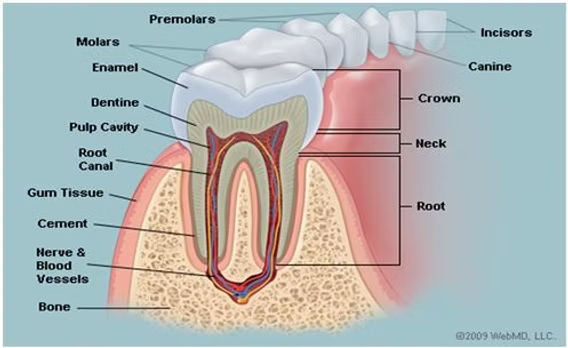
ডেন্টাল অ্যানাটমি এবং ফিজিওলজি মানুষের দাঁত এবং আশেপাশের মৌখিক টিস্যুর গঠন, বিকাশ এবং কার্যকারিতার উপর দৃষ্টি নিবদ্ধ করে। মূল উপাদানগুলির মধ্যে রয়েছে মুকুট, মূল এবং ঘাড়, যা চারটি টিস্যু দ্বারা গঠিত: এনামেল (প্রতিরক্ষামূলক), ডেন্টিন (অভ্যন্তরীণ স্তর), সিমেন্টাম (মূল নোঙ্গর), এবং পাল্প (স্নায়ু/নালী)। প্রাপ্তবয়স্কদের সাধারণত কামড়ানো, চিবানো এবং কথা বলার জন্য 32টি স্থায়ী দাঁত থাকে।
Key Aspects of Dental Anatomy and Physiology
- Tooth Structure (Anatomy):
- Crown: Visible part above the gum line.
- Root: Anchors the tooth in the jawbone.
- Neck: Junction between the crown and root.
- Tissues: Enamel (hardest substance), dentin, cementum, and dental pulp.
- Supporting Structures (Periodontium):
- Gingiva: Gums.
- Alveolar Bone: Bony socket holding the tooth.
- Periodontal Membrane: Connects tooth to bone.
- Types of Teeth (Functions):
- Incisors: Cutting.
- Canines: Puncturing.
- Premolars/Molars: Grinding and crushing.
- Physiology & Development:
- Dentition: Humans have two sets: deciduous (baby) and permanent teeth.
- Pain Mechanism: Dentinal tubules transmit pain sensations from fluid movement within the tooth.
Key Structures:
- Mandible: Lower jawbone.
- Maxilla: Upper jawbone.
ডেন্টাল অ্যানাটমি এবং ফিজিওলজির মূল দিকগুলি
- দাঁতের গঠন (শারীরস্থান):
- মুকুট: মাড়ির রেখার উপরে দৃশ্যমান অংশ।
- মূল: দাঁতকে চোয়ালের হাড়ে আটকে রাখে।
- ঘাড়: মুকুট এবং মূলের সংযোগস্থল।
- টিস্যু: এনামেল (সবচেয়ে শক্ত পদার্থ), ডেন্টিন, সিমেন্টাম এবং ডেন্টাল পাল্প।
- সহায়ক কাঠামো (পিরিওডন্টিয়াম):
- জিঞ্জিভা: মাড়ি।
- অ্যালভিওলার হাড়: দাঁত ধরে রাখা হাড়ের সকেট।
- পেরিওডন্টাল মেমব্রেন: দাঁতকে হাড়ের সাথে সংযুক্ত করে।
- দাঁতের প্রকারভেদ (কার্যকারিতা):
- ছেদক: কাটা।
- কুকুর: খোঁচা।
- প্রিমোলার/মোলার: পিষে ফেলা এবং চূর্ণ করা।
- শারীরবিদ্যা এবং বিকাশ:
- দাঁতের সমস্যা: মানুষের দুটি ধরণের দাঁত থাকে: পর্ণমোচী (শিশু) এবং স্থায়ী দাঁত।
- ব্যথার প্রক্রিয়া: দাঁতের ভেতরের তরল চলাচলের ফলে দাঁতের নালী ব্যথার অনুভূতি প্রেরণ করে।
মূল কাঠামো:
- চোয়ালের নিচের অংশ: চোয়ালের হাড়।
- ম্যাক্সিলা: উপরের চোয়ালের হাড়
Dental Biochemistry for 1 Year Flexible Denture Technology Course
Dental biochemistry examines the molecular mechanisms of oral health and disease, focusing on the composition of saliva, enamel, dentin, and dental plaque to advance diagnostics and treatments. It covers the metabolic processes involved in cavity formation, such as bacterial acid production, alongside bone metabolism and the biochemical basis of fluoride therapies.
ডেন্টাল বায়োকেমিস্ট্রি মৌখিক স্বাস্থ্য এবং রোগের আণবিক প্রক্রিয়া পরীক্ষা করে, রোগ নির্ণয় এবং চিকিৎসার অগ্রগতির জন্য লালা, এনামেল, ডেন্টিন এবং ডেন্টাল প্লাকের গঠনের উপর দৃষ্টি নিবদ্ধ করে। এটি গহ্বর গঠনের সাথে জড়িত বিপাকীয় প্রক্রিয়াগুলিকে অন্তর্ভুক্ত করে, যেমন ব্যাকটেরিয়া অ্যাসিড উৎপাদন, হাড়ের বিপাক এবং ফ্লোরাইড থেরাপির জৈব রাসায়নিক ভিত্তি।
Key Areas of Study in Dental Biochemistry
- Saliva and Plaque Composition: Analyzes enzymatic activity, pH balance, and microbial metabolism that contribute to dental caries and periodontal disease.
- Hard Tissue Mineralization: Focuses on the chemistry of Calcium and Phosphorus metabolism, essential for the structure of enamel, dentin, and cementum.
- Dental Materials and Biomaterials: Provides the foundation for creating biocompatible materials, dental implants, and restorative treatments.
- Oral Pathology Mechanisms: Explains the molecular basis of diseases, including the role of biofilm formation and inflammatory responses.
Relevance in Dentistry
Dental biochemistry bridges basic science with clinical practice, offering insights into:
- Diagnostic Markers: Using saliva analysis to identify biomarkers for systemic and oral diseases.
- Preventive Dentistry: Understanding nutrition and its impact on oral health.
- Treatment Advancements: Enhancing the success of periodontal therapies and restorative dentistry through a better understanding of tissue regeneration.
ডেন্টাল বায়োকেমিস্ট্রিতে অধ্যয়নের মূল ক্ষেত্রগুলি
- লালা এবং প্লাকের গঠন: এনজাইমেটিক কার্যকলাপ, pH ভারসাম্য এবং মাইক্রোবিয়াল বিপাক বিশ্লেষণ করে যা দাঁতের ক্ষয় এবং পেরিওডন্টাল রোগে অবদান রাখে।
- শক্ত টিস্যু খনিজকরণ:ক্যালসিয়াম ( ) এবং ফসফরাস বিপাকের রসায়নের উপর দৃষ্টি নিবদ্ধ করে
, যা এনামেল, ডেন্টিন এবং সিমেন্টামের গঠনের জন্য অপরিহার্য।
- দাঁতের উপকরণ এবং জৈব উপাদান: জৈব-সামঞ্জস্যপূর্ণ উপকরণ, দাঁতের ইমপ্লান্ট এবং পুনরুদ্ধারমূলক চিকিৎসা তৈরির ভিত্তি প্রদান করে।
- মৌখিক রোগবিদ্যা প্রক্রিয়া: রোগের আণবিক ভিত্তি ব্যাখ্যা করে, যার মধ্যে বায়োফিল্ম গঠন এবং প্রদাহজনক প্রতিক্রিয়ার ভূমিকা অন্তর্ভুক্ত।
দন্তচিকিৎসায় প্রাসঙ্গিকতা
দন্ত জৈব রসায়ন মৌলিক বিজ্ঞানকে ক্লিনিকাল অনুশীলনের সাথে সংযুক্ত করে, নিম্নলিখিত বিষয়গুলিতে অন্তর্দৃষ্টি প্রদান করে:
- ডায়াগনস্টিক মার্কার: সিস্টেমিক এবং মৌখিক রোগের জন্য বায়োমার্কার সনাক্ত করতে লালা বিশ্লেষণ ব্যবহার করা।
- প্রতিরোধমূলক দন্তচিকিৎসা: পুষ্টি এবং মৌখিক স্বাস্থ্যের উপর এর প্রভাব বোঝা।
- চিকিৎসার অগ্রগতি:
Dental Pathology related to Flexible Denture for 1 Year Flexible Denture Technology Course
Flexible dentures, often made from thermoplastic nylon (like Valplast or Flexile), offer benefits such as improved aesthetics and comfort but are associated with specific dental pathologies due to their material properties and design. While they are less likely to break, their flexibility and soft material can lead to soft tissue, hard tissue, and hygiene-related complications.
নমনীয় দাঁত, যা প্রায়শই থার্মোপ্লাস্টিক নাইলন (যেমন ভ্যালপ্লাস্ট বা ফ্লেক্সাইট) দিয়ে তৈরি, উন্নত নান্দনিকতা এবং আরামের মতো সুবিধা প্রদান করে তবে তাদের উপাদানগত বৈশিষ্ট্য এবং নকশার কারণে নির্দিষ্ট দাঁতের রোগের সাথে যুক্ত। যদিও এগুলি ভেঙে যাওয়ার সম্ভাবনা কম, তাদের নমনীয়তা এবং নরম উপাদান নরম টিস্যু, শক্ত টিস্যু এবং স্বাস্থ্যবিধি-সম্পর্কিত জটিলতা সৃষ্টি করতে পারে ।
Key dental pathologies and clinical issues related to flexible dentures include:
1. Soft Tissue Pathologies
- Mucosal Redness and Inflammation: Flexible dentures are associated with higher rates of mucosal redness (erythema) compared to conventional dentures.
- “Gum Stripper” Effect: Due to their flexible nature, these dentures can act as “gum strippers,” rubbing against the gums and causing irritation, soreness, and potential gingival recession over time.
- Keratinized Epithelium Changes: Studies have shown that the use of flexible partial dentures can lead to a thinner and less keratinized epithelium, which may affect the long-term health of the tissue under the denture.
2. Hard Tissue and Periodontal Pathologies
- Increased Caries Risk: Because flexible dentures are prone to surface roughness, they can become unhygienic, leading to a higher risk of plaque accumulation and subsequent caries (cavities), particularly at the necks of teeth covered by the dentures.
- Bone Resorption: While flexible dentures can be a “built-in stress breaker,” their inability to be easily relined means they cannot adapt to changing tissue contours, which can accelerate bone resorption in some cases.
3. Material-Related and Functional Pathologies
- Bacterial Build-up and Halitosis: The porous, flexible material is more prone to bacterial accumulation compared to rigid, non-porous acrylic bases, potentially causing bad breath (halitosis).
- Debonding of Teeth: A major, frequent problem with flexible dentures is the separation (debonding) of the acrylic teeth from the nylon base, as there is no true chemical bond.
- Discoloration: The nylon material is prone to staining and color change (fading) over a 12–24 month period.
- Surface Roughening: The denture surface can easily scratch and damage over time, which further contributes to bacterial retention.
4. Contraindications/Clinical Limitations
- High-Risk Cases: They are not recommended for cases requiring high rigidity, such as severe periodontal disease, or in cases with extensive edentulous spans (more than three teeth or two molars).
- Improper Use: They may not be suitable for patients with flat or flabby ridges, as these conditions require a more rigid, supported prosthesis.
নমনীয় দাঁতের সাথে সম্পর্কিত মূল দাঁতের রোগবিদ্যা এবং ক্লিনিকাল সমস্যাগুলির মধ্যে রয়েছে:
১. নরম টিস্যুর রোগবিদ্যা
- মিউকোসাল লালভাব এবং প্রদাহ: নমনীয় দাঁতের ক্ষেত্রে প্রচলিত দাঁতের তুলনায় মিউকোসাল লালভাব (এরিথেমা) বেশি দেখা যায়।
- “গাম স্ট্রিপার” প্রভাব: তাদের নমনীয় প্রকৃতির কারণে, এই দাঁতগুলি “গাম স্ট্রিপার” হিসেবে কাজ করতে পারে, মাড়িতে ঘষতে পারে এবং সময়ের সাথে সাথে জ্বালা, ব্যথা এবং সম্ভাব্য মাড়ির মন্দার কারণ হতে পারে।
- কেরাটিনাইজড এপিথেলিয়ামের পরিবর্তন: গবেষণায় দেখা গেছে যে নমনীয় আংশিক দাঁতের ব্যবহারের ফলে পাতলা এবং কম কেরাটিনাইজড এপিথেলিয়াম তৈরি হতে পারে, যা দাঁতের নীচের টিস্যুর দীর্ঘমেয়াদী স্বাস্থ্যের উপর প্রভাব ফেলতে পারে।
2. হার্ড টিস্যু এবং পিরিওডন্টাল প্যাথলজি
- ক্ষয়ের ঝুঁকি বৃদ্ধি: যেহেতু নমনীয় দাঁতের উপরিভাগ রুক্ষ হওয়ার প্রবণতা থাকে, তাই এগুলি অস্বাস্থ্যকর হয়ে উঠতে পারে, যার ফলে প্লাক জমা হওয়ার এবং পরবর্তীকালে ক্ষয়ের (গহ্বর) ঝুঁকি বেড়ে যায়, বিশেষ করে দাঁতের ঘাড়ে।
- হাড়ের পুনঃশোষণ: যদিও নমনীয় দাঁতগুলি “অন্তর্নির্মিত চাপ রোধকারী” হতে পারে, তবে সহজে পুনঃস্থাপনের অক্ষমতার অর্থ হল তারা টিস্যুর পরিবর্তনশীল রূপের সাথে খাপ খাইয়ে নিতে পারে না, যা কিছু ক্ষেত্রে হাড়ের পুনঃশোষণকে ত্বরান্বিত করতে পারে।
৩. উপাদান-সম্পর্কিত এবং কার্যকরী রোগবিদ্যা
- ব্যাকটেরিয়া জমা এবং হ্যালিটোসিস: ছিদ্রযুক্ত, নমনীয় উপাদানটিতে অনমনীয়, অ-ছিদ্রযুক্ত অ্যাক্রিলিক বেসের তুলনায় ব্যাকটেরিয়া জমা হওয়ার প্রবণতা বেশি, যা সম্ভাব্যভাবে মুখের দুর্গন্ধ (হ্যালিটোসিস) সৃষ্টি করে।
- দাঁতের ডিবন্ডিং: নমনীয় দাঁতের একটি প্রধান, ঘন ঘন সমস্যা হল নাইলনের ভিত্তি থেকে অ্যাক্রিলিক দাঁতের বিচ্ছেদ (ডিবন্ডিং), কারণ প্রকৃত রাসায়নিক বন্ধন নেই।
- বিবর্ণতা: নাইলন উপাদান ১২-২৪ মাস সময়কালে দাগ এবং রঙ পরিবর্তন (বিবর্ণ) হওয়ার ঝুঁকিতে থাকে।
৪. প্রতিবন্ধকতা/ক্লিনিকাল সীমাবদ্ধতা
- উচ্চ ঝুঁকিপূর্ণ কেস: যেসব ক্ষেত্রে উচ্চ দৃঢ়তার প্রয়োজন হয়, যেমন গুরুতর পেরিওডন্টাল রোগ, অথবা বিস্তৃত এডেন্টুলাস স্প্যান (তিনটির বেশি দাঁত বা দুটি মোলার) এর ক্ষেত্রে এগুলি সুপারিশ করা হয় না।
- অনুপযুক্ত ব্যবহার: এগুলি সমতল বা স্তম্ভিত শিরাযুক্ত রোগীদের জন্য উপযুক্ত নাও হতে পারে, কারণ এই অবস্থার জন্য আরও শক্ত, সমর্থিত প্রস্থেসিস প্রয়োজন।
Dental Microbiology for 1 Year Flexible Denture Technology Course
Dental microbiology studies the complex, 700+ species of microorganisms (bacteria, viruses, fungi) inhabiting the oral cavity, focusing on their role in health and diseases like caries and periodontitis. These microbes form biofilms, often resulting in dysbiosis (imbalance) when oral hygiene, diet, or health factors change.
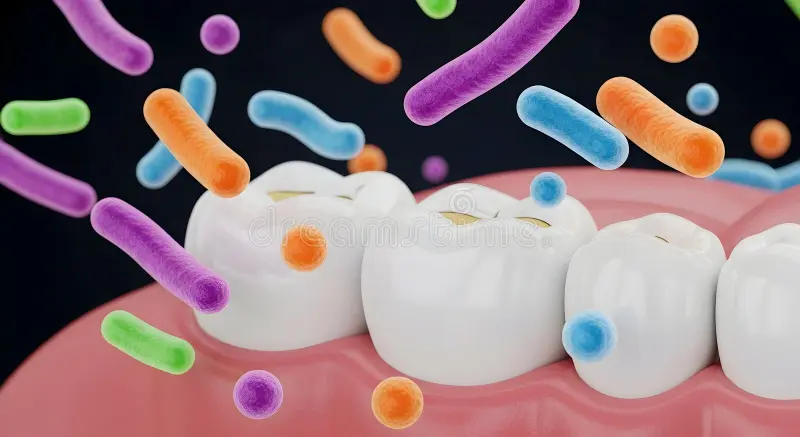
ডেন্টাল মাইক্রোবায়োলজি মৌখিক গহ্বরে বসবাসকারী জটিল ৭০০+ প্রজাতির অণুজীব (ব্যাকটেরিয়া, ভাইরাস, ছত্রাক) অধ্যয়ন করে, স্বাস্থ্য এবং ক্যারিস এবং পিরিয়ডোন্টাইটিসের মতো রোগে তাদের ভূমিকার উপর আলোকপাত করে। এই জীবাণুগুলি জৈব ফিল্ম তৈরি করে, যা প্রায়শই মৌখিক স্বাস্থ্যবিধি, খাদ্যাভ্যাস বা স্বাস্থ্যগত কারণগুলির পরিবর্তনের ফলে ডিসবায়োসিস (ভারসাম্যহীনতা) সৃষ্টি করে।
Key aspects of dental microbiology include:
- Oral Microbiome & Health: A balanced microbiome is vital, but when disrupted (dysbiosis), harmful bacteria flourish.
- Key Pathogens: Streptococcus mutans is the primary cause of dental decay, while various anaerobes, including Porphyromonas gingivalis, are linked to periodontal disease.
- Biofilms & Plaque: Bacteria, such as S. mutans, form plaque biofilms, which are difficult to remove and protect bacteria from antimicrobial agents.
- Systemic Health Connections: Oral dysbiosis is linked to systemic issues like cardiovascular disease, pneumonia, and cancer, often via inflammation.
- Disease Mechanisms: Decay happens when fermentable carbohydrates cause a low pH in plaque, leading to a net loss of tooth mineral.
- Prevention & Treatment: Fluoride is used to prevent caries. Treatment often involves mechanical removal of plaque and, if necessary, antibiotics like amoxicillin
ডেন্টাল মাইক্রোবায়োলজির মূল দিকগুলির মধ্যে রয়েছে:
- মৌখিক মাইক্রোবায়োম এবং স্বাস্থ্য: একটি সুষম মাইক্রোবায়োম অত্যাবশ্যক, কিন্তু যখন ব্যাহত হয় (ডিসবায়োসিস), তখন ক্ষতিকারক ব্যাকটেরিয়া বৃদ্ধি পায়।
- মূল রোগজীবাণু: স্ট্রেপ্টোকক্কাস মিউট্যান্স হল দাঁতের ক্ষয়ের প্রধান কারণ, অন্যদিকে পোরফাইরোমোনাস জিঞ্জিভালিসসহ বিভিন্ন অ্যানেরোব পেরিওডন্টাল রোগের সাথে যুক্ত।
- জৈবফিল্ম এবং প্লাক: ব্যাকটেরিয়া, যেমন এস. মিউট্যান্স, প্লাক বায়োফিল্ম তৈরি করে, যা অপসারণ করা এবং অ্যান্টিমাইক্রোবিয়াল এজেন্ট থেকে ব্যাকটেরিয়াকে রক্ষা করা কঠিন।
- পদ্ধতিগত স্বাস্থ্য সংযোগ: মৌখিক ডিসবায়োসিস হৃদরোগ, নিউমোনিয়া এবং ক্যান্সারের মতো পদ্ধতিগত সমস্যার সাথে যুক্ত, প্রায়শই প্রদাহের মাধ্যমে।
- রোগের প্রক্রিয়া: ক্ষয় ঘটে যখন গাঁজনযোগ্য কার্বোহাইড্রেট প্লাকে কম pH সৃষ্টি করে, যার ফলে দাঁতের খনিজ পদার্থের নেট ক্ষতি হয়।
- প্রতিরোধ ও চিকিৎসা: ক্ষয় প্রতিরোধে ফ্লোরাইড ব্যবহার করা হয়। চিকিৎসায় প্রায়শই যান্ত্রিকভাবে প্লাক অপসারণ এবং প্রয়োজনে অ্যামোক্সিসিলিনের মতো অ্যান্টিবায়োটিক ব্যবহার করা হয়।