 MATCDHAKA – Medical Assistant Training Centre in Dhaka Pharmacy, Veterinary, Dental, Nursing, Pathology, Physiotherapy and Homeopathy Training Institute in Dhaka



PDT-Gastrology Course 1 Year Details
HRTD Medical Institute Mobile No-01987073965, 01797522136. Hotline No-01969947171. PDT-Gastrology Course 1 Year in Dhaka is the short course in medical sector. Total subjects contain 8 -Gastro Anatomy & Physiology, Gastrological Drug & Pharmacology, Gastro Intestinal Neurology, Hyper Acidity & Peptic Ulcer Disease.
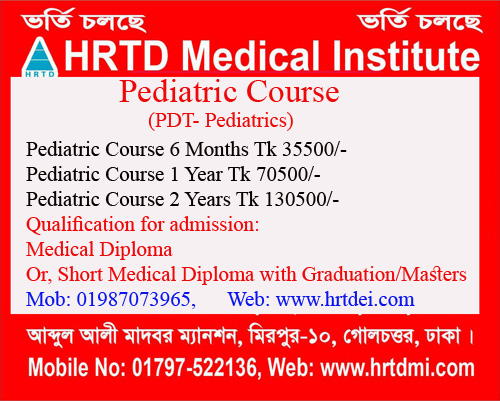
Total Cost for PDT-Gastrology Course 1 Year
Total Cost =70500 tk
Admission fee =20500 tk
Monthly fee (3500×12) = 42000 tk
Exam fee 2 semester =8000 tk
Location for PDT-Gastrology Course 1 Year
HRTD Medical Institute, Abdul Ali Madbor Mansion, Folpotty Mosjid Goli (Bitul Mamur Jame Mosjid Goli), Plot No. 11, Metro Rail Piller No. 249, Mirpur 10 Golchattar, Dhaka.
Document for PDT-Gastrology Course 1 Year
PDT-Gastrology Course 1 Year in Dhaka Photocopy of Certificate, Photocopy of NID, Passport Size Photo 4 Pcs. Without NID, a Birth Certificate is allowed for an emergency case.
Admission Eligibility for PDT-Gastrology Course 1 Year
PDT-Gastrology Course 1 Year in Dhaka Admission Eligibility. Mobile Number. 01987073965. 01941123488, 01797522136. SSC or Equivalent/HSC/ Degree/Master’s from any Background (Science/ Arts/ Commerce/ Technical).
Class System for PDT-Gastrology Course 1 Year
Class System for PDT-Gastrology Course 1 Year Course in Dhaka: Weekly Class 3 hours. For jobholders, 3 hours a day. The option days are Friday Morning Shift from 9:00 AM to 12:00 PM, Friday Evening Shift from 3:00 PM to 6:00 PM, Monday Morning Shift from 9:00 AM to 12:00 PM, and Monday Evening Shift from 3:00 PM to 6:00 PM. Saturday Morning Shift from 10am to 1 Pm, Evening Shift from 3 pm to 6 pm.
For Regular Students, Saturday 1 hour, Monday 1 hour, and Friday 1 hour. Morning Shift From 9:00 AM to 12:00 PM, and Evening Shift From 3:00 PM to 6:00 PM.
Hostel Facilities in HRTD Medical Institute for PDT-Gastrology Course 1 Year
Hostel & Meal Facilities for PDT-Gastrology Course 1 Year
The Institute has hostel facilities for the students. Students can take a bed in the hostel.
Hostel Fee Tk 3000/- Per Month
Meal Charges Tk 3000/- Per Month. ( Approximately )
হোস্টাল ও খাবার সুবিধা
ইনস্টিটিউটে শিক্ষার্থীদের জন্য হোস্টেল সুবিধা রয়েছে। ছাত্ররা হোস্টেলে বিছানা নিতে পারে।
হোস্টেল ফি 3000/- টাকা প্রতি মাসে,
খাবারের চার্জ 3000/- টাকা প্রতি মাসে।(প্রায়),
Address of HRTD Medical Institute for PDT-Gastrology Course 1 Year
আমাদের ঠিকানাঃ HRTD মেডিকেল ইন্সটিটিউট, আব্দুল আলী মাদবর ম্যানশন, সেকশন ৬, ব্লোক খ, রোড ১, প্লট ১১, মেট্রোরেল পিলার নাম্বার ২৪৯, ফলপট্টি মসজিদ গলি, মিরপুর ১০ গোলচত্ত্বর, ঢাকা ১২১৬ । মোবাইল ফোন নাম্বার ০১৭৯৭৫২২১৩৬, ০১৯৮৭০৭৩৯৬৫ ।
Our Address: HRTD Medical Institute, Abdul Ali Madbor Mansion, Section-6, Block- Kha, Road- 1, Plot- 11, Metro Rail Pilar No. 249, Falpatty Mosjid Goli, Mirpur-10 Golchattar, Dhaka 1216. Mobile Phone No. 01797522136, 01987073965.
Teachers For PDT-Gastrology Course 1 Year
- Dr. Md. Sakulur Rahman, MBBS, CCD (BIRDEM), Course Director
- Dr. Sanjana Binte Ahmed, BDS, MPH, Assistant Course Director
- Dr. Tisha, MBBS, PGT Gyne, Assistant Course Director
- Dr. Suhana, MBBS, PGT Medicine
- Dr. Danial Hoque, MBBS, C-Card
- Dr. Tisha, MBBS
- Dr. Afrin Jahan, MBBS, PGT Medicine
- Dr. Ananna, MBBS
- Dr. Lamia Afroze, MBBS
- Dr. Amena Afroze Anu, MBBS, PGT Gyne, Assistant Course Director
- Dr. Farhana Antara, MBBS,
- Dr. Nazmun Nahar Juthi, BDS, PGT
- Dr. Farhana Sharna, MBBS
- Dr. Bushra, MBBS
- Dr. Turzo, MBBS
- Dr. Kamrunnahar Keya, BDS, PGT (Dhaka Dental College)
- Dr. Shamima, MBBS, PGT Gyne
- Dr. Alamin, MBBS
- Dr. Benzir Belal, MBBS
- Dr. Disha, MBBS
- Dr. Mahinul Islam, MBBS
- Dr. Tisha, MBBS, PGT Medicine
- Dr. Anika, MBBS, PGT
- Dr. Jannatul Ferdous, MBBS, PGT Gyne
- Dr. Jannatul Aman, MBBS, PGT
- Dr. Rayhan, BPT
- Dr. Abu Hurayra, BPT
- Dr. Sharmin Ankhi, MBBS, PGT Medicine
- Md. Monir Hossain, B Pharm, M Pharm
- Md. Monirul Islam, B Pharm, M Pharm
- Md. Feroj Ahmed, BSc Pathology, PDT Medicine,
Subjects for PDT-Gastrology Course 1 Year
- Gastro Anatomy & Physiology-1
- Gastrological Drug & Pharmacology
- Gastro Intestinal Neurology
- Hyper Acidity & Peptic Ulcer Disease
Some Subjects Details for PDT-Gastrology Course 1 Year
Gastro Anatomy & Physiology for PDT-Gastrology Course 1 Year
The gastrointestinal (GI) system is a ~30-foot tube from mouth to anus, plus accessory organs (liver, pancreas, gallbladder) that break down food, absorb nutrients, and eliminate waste. Key processes include ingestion, peristalsis, digestion (mechanical/chemical), absorption, and defecation, regulated by nerves, hormones, and gut flora.
গ্যাস্ট্রোইনটেস্টাইনাল (GI) সিস্টেম হল মুখ থেকে মলদ্বার পর্যন্ত প্রায় ৩০ ফুট লম্বা একটি নল, এবং এর সাথে আনুষঙ্গিক অঙ্গ (লিভার, অগ্ন্যাশয়, পিত্তথলি) যা খাদ্য ভেঙে দেয়, পুষ্টি শোষণ করে এবং বর্জ্য পদার্থ নির্মূল করে। মূল প্রক্রিয়াগুলির মধ্যে রয়েছে খাদ্য গ্রহণ, পেরিস্টালসিস, হজম (যান্ত্রিক/রাসায়নিক), শোষণ এবং মলত্যাগ, যা স্নায়ু, হরমোন এবং অন্ত্রের উদ্ভিদ দ্বারা নিয়ন্ত্রিত হয়
Anatomy of the GI Tract (Alimentary Canal)
- Mouth: Begins ingestion and digestion (mechanical/chemical).
- Esophagus: Propels food to the stomach via peristalsis.
- Stomach: Stores and churns food; secretes gastric juices, acid, and enzymes.
- Small Intestine: Divided into the duodenum, jejunum, and ileum; primary site of nutrient absorption.
- Large Intestine: Composed of the cecum, colon, and rectum; absorbs water and electrolytes, compacts waste.
Accessory Organs (Digestive Aids)
- Liver: Produces bile to emulsify fats.
- Gallbladder: Stores and concentrates bile.
- Pancreas: Produces digestive enzymes for carbohydrates, proteins, and fats.
- Salivary Glands: Initiate chemical digestion in the mouth.
Key Physiological Functions
- Digestion: Mechanical breakdown (chewing, churning) and chemical breakdown (acids, enzymes) of food.
- Absorption: Nutrients are absorbed into the bloodstream, primarily in the small intestine.
- Motility: Peristalsis moves food through the tract.
- Immune Function: The gut acts as a major immune organ protecting against pathogens
জিআই ট্র্যাক্টের অ্যানাটমি (খাদ্যনালী)
- মুখ: গ্রহণ এবং হজম শুরু করে (যান্ত্রিক/রাসায়নিক)।
- খাদ্যনালী: পেরিস্টালসিসের মাধ্যমে খাদ্য পাকস্থলীতে প্রেরণ করে।
- পাকস্থলী: খাদ্য সঞ্চয় করে এবং মন্থন করে; পাকস্থলীর রস, অ্যাসিড এবং এনজাইম নিঃসরণ করে।
- ক্ষুদ্রান্ত্র: ডুওডেনাম, জেজুনাম এবং ইলিয়ামে বিভক্ত; পুষ্টি শোষণের প্রাথমিক স্থান।
- বৃহৎ অন্ত্র: সিকাম, কোলন এবং মলদ্বার দ্বারা গঠিত; জল এবং ইলেক্ট্রোলাইট শোষণ করে, বর্জ্যকে সংকুচিত করে।
আনুষঙ্গিক অঙ্গ (পাচন সহায়ক)
- লিভার: চর্বি জমা করার জন্য পিত্ত তৈরি করে।
- পিত্তথলি: পিত্ত সঞ্চয় করে এবং ঘনীভূত করে।
- অগ্ন্যাশয়: কার্বোহাইড্রেট, প্রোটিন এবং চর্বির জন্য হজমকারী এনজাইম তৈরি করে।
- লালা গ্রন্থি: মুখের মধ্যে রাসায়নিক হজম শুরু করে।
মূল শারীরবৃত্তীয় কার্যাবলী
- হজম: খাদ্যের যান্ত্রিক ভাঙ্গন (চিবানো, মন্থন করা) এবং রাসায়নিক ভাঙ্গন (অ্যাসিড, এনজাইম)।
- শোষণ: পুষ্টি উপাদানগুলি রক্তপ্রবাহে শোষিত হয়, প্রাথমিকভাবে ক্ষুদ্রান্ত্রে।
- গতিশীলতা: পেরিস্টালসিস নালীর মধ্য দিয়ে খাদ্য পরিবহন করে।
- রোগ প্রতিরোধ ক্ষমতার কার্যকারিতা: অন্ত্র একটি প্রধান রোগ প্রতিরোধক অঙ্গ হিসেবে কাজ করে যা রোগজীবাণু থেকে রক্ষা করে।
Gastrological Drug & Pharmacology for PDT-Gastrology Course 1 Year
Gastrointestinal (GI) pharmacology focuses on drugs that modulate digestive system functions, primarily treating acid-related disorders (GERD, ulcers), motility issues (constipation, diarrhea), and mucosal damage. Key drug classes include Proton Pump Inhibitors (PPIs) like omeprazole, blockers like famotidine, antacids, and mucosal protectants, which manage gastric acid secretion and protect the digestive tract lining.
গ্যাস্ট্রোইনটেস্টাইনাল (GI) ফার্মাকোলজি এমন ওষুধের উপর দৃষ্টি নিবদ্ধ করে যা পাচনতন্ত্রের কার্যকারিতা নিয়ন্ত্রণ করে, প্রাথমিকভাবে অ্যাসিড-সম্পর্কিত ব্যাধি (GERD, আলসার), গতিশীলতা সমস্যা (কোষ্ঠকাঠিন্য, ডায়রিয়া) এবং মিউকোসাল ক্ষতির চিকিৎসা করে। প্রধান ওষুধ শ্রেণীর মধ্যে রয়েছে ওমেপ্রাজলের মতো প্রোটন পাম্প ইনহিবিটর (PPI), ফ্যামোটিডিনের মতো ব্লকার, অ্যান্টাসিড এবং মিউকোসাল প্রোটেক্ট্যান্ট, যা গ্যাস্ট্রিক অ্যাসিড নিঃসরণ নিয়ন্ত্রণ করে এবং পরিপাকতন্ত্রের আস্তরণকে রক্ষা করে।
Key Drug Classes and Pharmacology
- Proton Pump Inhibitors (PPIs): Irreversibly inhibit the
ATPase enzyme in parietal cells, significantly reducing stomach acid (e.g., Omeprazole, Pantoprazole).
- Receptor Antagonists: Block histamine-stimulated acid secretion (e.g., Famotidine, Cimetidine).
- Antacids: Neutralize existing gastric acid (e.g., Aluminum hydroxide, Magnesium hydroxide).
- Mucosal Protectants: Form a protective barrier over ulcers (e.g., Sucralfate, Misoprostol).
Common Therapeutic Targets
- Gastroesophageal Reflux Disease (GERD): Often treated with PPIs or
blockers to reduce acid reflux.
- Peptic Ulcer Disease: Managed with PPIs, antibiotics (for H. pylori), and mucosal protectants.
- Irritable Bowel Syndrome (IBS): Targeted with antispasmodics or motility-modifying drugs
Gastro Intestinal Neurology for PDT-Gastrology Course 1 Year
Neuro gastroenterology is the subspecialty of gastroenterology focusing on the complex interactions between the nervous system and the gastrointestinal (GI) tract, often referred to as the “gut-brain axis”. It manages disorders involving the enteric nervous system (ENS), autonomic nervous system, and central nervous system that affect motility, sensation, and secretion in the digestive system.
নিউরোগ্যাস্ট্রোএন্টেরোলজি হল গ্যাস্ট্রোএন্টেরোলজির একটি উপ-বিশেষবিদ্যা যা স্নায়ুতন্ত্র এবং গ্যাস্ট্রোইনটেস্টাইনাল (GI) ট্র্যাক্টের মধ্যে জটিল মিথস্ক্রিয়াগুলির উপর দৃষ্টি নিবদ্ধ করে, যা প্রায়শই “অন্ত্র-মস্তিষ্কের অক্ষ” নামে পরিচিত। এটি আন্ত্রিক স্নায়ুতন্ত্র (ENS), স্বায়ত্তশাসিত স্নায়ুতন্ত্র এবং কেন্দ্রীয় স্নায়ুতন্ত্রের সাথে জড়িত ব্যাধিগুলি পরিচালনা করে যা পাচনতন্ত্রের গতিশীলতা, সংবেদন এবং ক্ষরণকে প্রভাবিত করে।
Key aspects of gastrointestinal neurology include:
- The Enteric Nervous System (“Brain of the Gut”): A complex system of 100 billion neurons within the gut wall that controls digestion, secretion, and movement independently, though it is influenced by the central nervous system.
- Key Conditions: Neurogastroenterologists treat disorders like chronic intestinal pseudo-obstruction, gastroparesis (delayed stomach emptying), achalasia (swallowing disorder), and functional bowel disorders like IBS.
- Neuro-GI Disorders: These often manifest as motility disorders (constipation, diarrhea, fecal incontinence, vomiting) or sensory issues.
- Neurological Associations: Conditions such as Parkinson’s disease, multiple sclerosis, and diabetes mellitus often cause secondary GI dysfunction.
- Management: Treatment involves managing the underlying disease, modifying the gut-brain axis, dietary adjustments, and occasionally procedures like gastric electrical stimulation
গ্যাস্ট্রোইনটেস্টাইনাল নিউরোলজির মূল দিকগুলির মধ্যে রয়েছে:
- আন্ত্রিক স্নায়ুতন্ত্র (“অন্ত্রের মস্তিষ্ক”): অন্ত্রের প্রাচীরের মধ্যে ১০০ বিলিয়ন নিউরনের একটি জটিল ব্যবস্থা যা হজম, ক্ষরণ এবং নড়াচড়া স্বাধীনভাবে নিয়ন্ত্রণ করে, যদিও এটি কেন্দ্রীয় স্নায়ুতন্ত্র দ্বারা প্রভাবিত।
- মূল শর্ত: নিউরোগ্যাস্ট্রোএন্টেরোলজিস্টরা দীর্ঘস্থায়ী অন্ত্রের ছদ্ম-অবরোধ, গ্যাস্ট্রোপেরেসিস (পেট খালি করতে বিলম্ব), অ্যাকালাসিয়া (গিলে ফেলার ব্যাধি), এবং আইবিএসের মতো কার্যকরী অন্ত্রের ব্যাধিগুলির মতো রোগের চিকিৎসা করেন।
- নিউরো-জিআই ব্যাধি: এগুলি প্রায়শই গতিশীলতা ব্যাধি (কোষ্ঠকাঠিন্য, ডায়রিয়া, মল অসংযম, বমি) বা সংবেদনশীল সমস্যা হিসাবে প্রকাশিত হয়।
- স্নায়বিক সম্পর্ক: পার্কিনসন রোগ, মাল্টিপল স্ক্লেরোসিস এবং ডায়াবেটিস মেলিটাসের মতো অবস্থা প্রায়শই গৌণ জিআই কর্মহীনতার কারণ হয়।
- ব্যবস্থাপনা: চিকিৎসার মধ্যে অন্তর্নিহিত রোগ পরিচালনা, অন্ত্র-মস্তিষ্কের অক্ষ পরিবর্তন, খাদ্যাভ্যাসের সমন্বয় এবং মাঝে মাঝে গ্যাস্ট্রিক বৈদ্যুতিক উদ্দীপনার মতো পদ্ধতি অন্তর্ভুক্ত থাকে
Hyper Acidity for PDT-Gastrology Course 1 Year
Hyperacidity, or acid dyspepsia, is a common digestive issue caused by excess hydrochloric acid in the stomach, leading to symptoms like heartburn, nausea, bloating, and a bitter taste. It is commonly triggered by unhealthy eating habits (spicy/fried food, skipping meals), stress, obesity, smoking, and certain medications.
হাইপার অ্যাসিডিটি, বা অ্যাসিড ডিসপেপসিয়া, একটি সাধারণ হজম সমস্যা যা পাকস্থলীতে অতিরিক্ত হাইড্রোক্লোরিক অ্যাসিডের কারণে হয়, যার ফলে বুক জ্বালাপোড়া, বমি বমি ভাব, পেট ফাঁপা এবং তেতো স্বাদের মতো লক্ষণ দেখা দেয়। এটি সাধারণত অস্বাস্থ্যকর খাদ্যাভ্যাস (মশলাদার/ভাজা খাবার, খাবার এড়িয়ে যাওয়া), মানসিক চাপ, স্থূলতা, ধূমপান এবং কিছু নির্দিষ্ট ওষুধের কারণে হয়।
Key Management & Relief Tips:
- Dietary Changes: Eat smaller, more frequent meals; avoid spicy, fried, and citrus foods.
- Lifestyle Adjustments: Avoid lying down immediately after eating, maintain a healthy weight, and manage stress.
- Immediate Relief: Over-the-counter (OTC) antacids, H2 blockers, or proton pump inhibitors (PPIs).
When to See a Doctor
Seek medical attention if symptoms are frequent or severe, as they may indicate conditions like Gastroesophageal Reflux Disease (GERD) or peptic ulcers
Common Causes:
- Dietary: High intake of spicy, oily, fatty, or processed foods.
- Behavioral: Skipping meals, fasting, eating too quickly, and late-night snacking.
- Lifestyle: High stress/anxiety, lack of sleep, smoking, and alcohol consumption.
Common Symptoms:
- Heartburn: A burning sensation in the chest or breastbone.
- Regurgitation: A sour or bitter taste in the mouth.
- Digestive Issues: Nausea, vomiting, bloating, excessive burping, and feeling full.
- Other: Difficulty swallowing or a chronic cough
Peptic Ulcer Disease for PDT-Gastrology Course 1 Year
Peptic ulcer disease (PUD) involves painful sores in the stomach (gastric) or duodenum lining, primarily caused by Helicobacter pylori (H. pylori) infection or long-term NSAID use. Symptoms include burning epigastric pain, nausea, and bloating. Diagnosis involves endoscopy, while treatment combines antibiotics, proton pump inhibitors (PPIs), or H2 blockers
পেপটিক আলসার রোগ (PUD) হল পাকস্থলীতে (গ্যাস্ট্রিক) বা ডুওডেনামের আস্তরণে বেদনাদায়ক ঘা, যা মূলত হেলিকোব্যাক্টর পাইলোরি (H. পাইলোরি) সংক্রমণ বা দীর্ঘমেয়াদী NSAID ব্যবহারেরকারণে হয় । লক্ষণগুলির মধ্যে রয়েছে এপিগ্যাস্ট্রিক অঞ্চলে জ্বালাপোড়া, বমি বমি ভাব এবং পেট ফাঁপা। রোগ নির্ণয়ের জন্য এন্ডোস্কোপি ব্যবহার করা হয়, যেখানে চিকিৎসায় অ্যান্টিবায়োটিক, প্রোটন পাম্প ইনহিবিটর (PPI) বা H2 ব্লকার ব্যবহার করা হয়
Key Aspects of Peptic Ulcer Disease:
- Symptoms: The most common symptom is a burning, gnawing, or hunger-like pain in the upper abdomen, which may occur 15–30 minutes after eating (gastric ulcer) or 2–3 hours later/at night (duodenal ulcer). Other symptoms include vomiting, bloating, hematemesis (bloody vomit), and dark, tarry stools (melena).
- Causes & Risk Factors:
- H. pylori infection: A bacterial infection that breaks down the protective mucus lining.
- NSAIDs: Regular use of non-steroidal anti-inflammatory drugs (e.g., aspirin, ibuprofen, naproxen) reduces protective prostaglandins.
- Others: Smoking, alcohol consumption, stress, and Zollinger-Ellison syndrome.
- Diagnosis: The “gold standard” is an upper endoscopy (EGD) with biopsy. Other tests include breath tests or stool tests for H. pylori.
- Treatment:
- Antibiotics: To kill H. pylori.
- Acid Suppression: Proton pump inhibitors (PPIs) and H2 blockers to reduce stomach acid.
- Lifestyle Changes: Avoiding NSAIDs, smoking, caffeine, and alcohol.
- Complications: If untreated, ulcers can cause severe bleeding, perforation (a hole in the stomach/intestine wall requiring emergency surgery), and obstruction.