 MATCDHAKA – Medical Assistant Training Centre in Dhaka Pharmacy, Veterinary, Dental, Nursing, Pathology, Physiotherapy and Homeopathy Training Institute in Dhaka



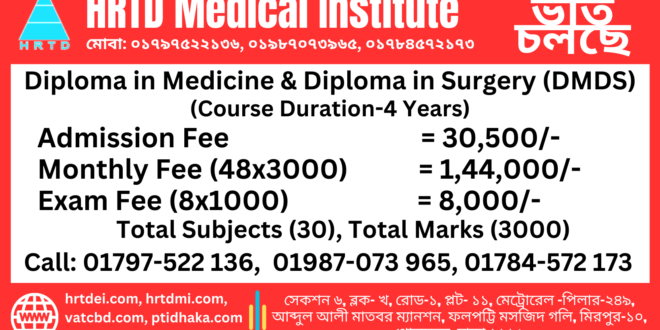
Diploma in Medicine and Diploma in Surgery Course Profile:
Best Diploma in Medicine and Diploma in Surgery (DMDS) Course. DMDS (Diploma in Medicine and Diploma in Surgery): Mobile No: 01987-073965. DMDS Course 4 Years, this course contains 30 subjects. The subjects are Human Anatomy & Physiology, Pharmacology-1, Practice of Medicine, Hematology, Pathology, Microbiology, Surgery, etc.
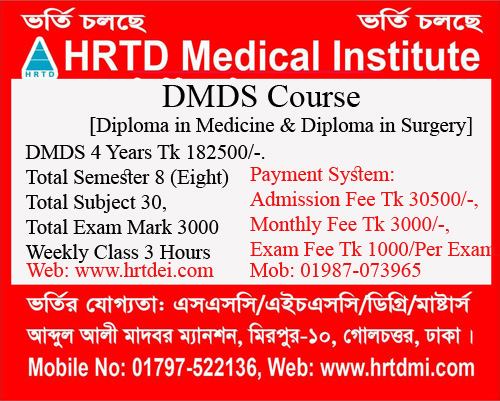
Course Fee of Best Diploma in Medicine and Diploma in Surgery (DMDS) Course
Best Diploma in Medicine and Diploma in Surgery (DMDS) Course. The total course fee for this one-year course is Tk 1,82,500/- only. Payment system: Admission fee Tk 30,500/-, Monthly fee Tk 3,000/-, and exam fee 8,000/-.
Location for Best Diploma in Medicine and Diploma in Surgery (DMDS) Course
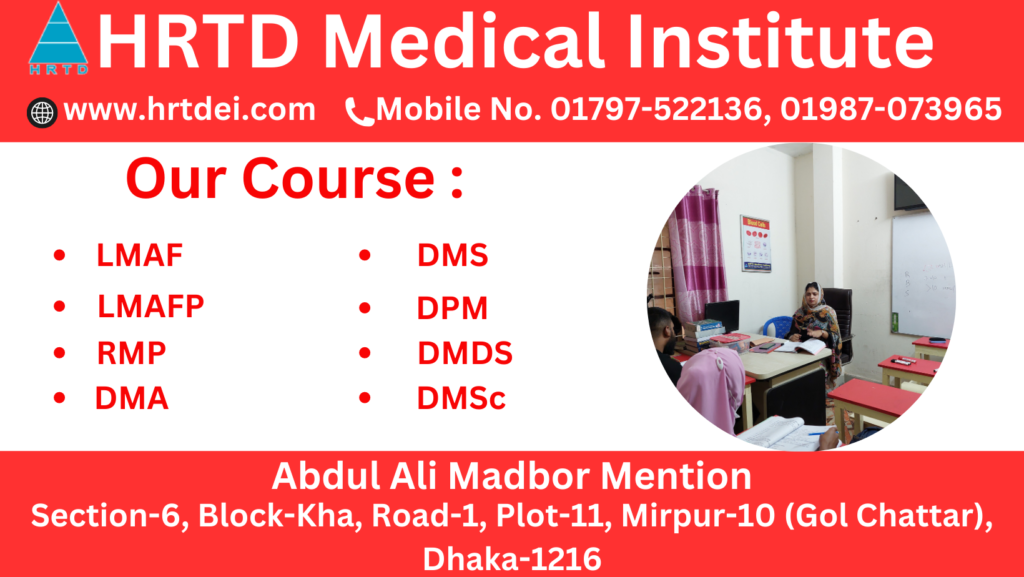
Location: HRTD Medical Institute, Abdul Ali Madbor Mansion, Section-6, Block-Kha, Road-1, Plot-11, Metro Rail Piller No. 249, Mirpur-10 Golchattar, Dhaka-1216. Best Diploma in Medicine and Diploma in Surgery (DMDS) Course
Total Semester of Best Diploma in Medicine and Diploma in Surgery (DMDS) Course
The best Diploma in Medicine and Diploma in Surgery (DMDS) Course is divided into 8 semesters. The first semester contains 5 subjects and the second semester contains 5 subjects. The third semester contains 4 subjects and 4th semester contains 4 subjects. The 5th semester contains 3 subjects and the 6th semester contains 3 subjects. The 7th semester contains 3 subjects and the 8th semester contains 3 subjects.
Total Subject & Total Marks of Best Diploma in Medicine and Diploma in Surgery (DMDS) Course
- Human Anatomy and Physiology -100
- Pharmacology-1 -100
- Study of OTC and Medicine -100
- First Aid 1 & 2 and Practice of Medicine -100
- Hematology and Pathology for Medical Practice -100
- Cardiovascular Anatomy & Physiology -100
- Orthopedic Anatomy & Physiology -100
- Surgery & Antimicrobial Drugs-100
- General Chemistry & Biochemistry -100
- Medical Diagnosis -100
- General Pathology-1 -100
- Pharmacology-2 -100
- Practice of Medicine 2&3 -100
- Essential Drugs -100
- Neuro Anatomy & Physiology -100
- Gastrological Drugs & Pharmacology -100
- Human Anatomy & Physiology-2 -100
- Geriatric Diseases and Treatment -100
- Cardiovascular Drugs and Cardiovascular Disease-100
- Common Respiratory Disease -100
- Histology and Cytology -100
- Human Microbiology-100
- Community Medicine-1 -100
- Urology and Hepatology -100
- ENT Drugs and Pharmacology-100
- Fungal Infection or Medical Diagnosis & Treatment-100
- Ophthalmic Drugs and Pharmacology -50
- or Practice of Ophthalmic Drugs -50
- Gastro Anatomy & Physiology -100
- Gastrointestinal Disease -50
- Management of Acute Gastritis -50
- Family Planning -100
Practical Works for Best Diploma in Medicine and Diploma in Surgery (DMDS) Course
Best Diploma in Medicine and Diploma in Surgery (DMDS) Course. Practical Works. Mobile Phone 01797522136, 01987073965. There are many practical works in the Diploma in Medicine and Diploma in Surgery. The Practical works are Heart Beat, Heart Rate, Pulse, Pulse Rate, Weak Pulse, Strong Pulse, Atrial Beat, Ventricular Beat, Tachycardia, Bradycardia, Arrhythmia, Heart Sound, Normal Heart Sound, Abnormal Heart Sound, Cardiac Mur Mur, Blood Pressure, Systolic Blood Pressure, Diastolic Blood Pressure, Pulse Pressure, Mean Blood Pressure.
Hypertension, Hypotension, Hypertension Emergency, Management of Hypertension, Management of Hypotension, Management of Hypertension Emergency, IM Injection, IV Injection, SC Injection, ID Injection, Saline Pushing, Application of Eye Drops, Application of Pediatric Medicine, Emergency Respiratory Drugs, Use of Inhaler, Use of Ratahaler, Use of Nebulizer.
BMI, Normal Body Weight, Under Weight, Over Weight, Obesity, Cleaning, Dressing, Bandaging, Use of Mouth Anti Septic Mouth Wash, Use of Suppository, Use of Eye Drops, Use of Ear Drops, Use of Skin Ointment and Cream, Canulla Setting, Post Surgical Cleaning, Post Surgical Dressing, Post Surgical Bandaging, Post Surgical Pain Management. Roller Bandage, Triangular Bandage.
Making Suspension from PFS, Making Solution from ORS, Auscultation, Auscultation of Thorax, Respiratory Auscultation, Abdominal Auscultation, Percussion, Appendicitis Pulpation, Prescription Understanding, Report Understanding, X-Ray Report Understanding, Blood Test Report Understanding, Urine Test Report Understanding, ECG Report Understanding, Echo Report Understanding, ETT Report Understanding.
Blood Grouping Test, Diabetes Test, Fasting Sugar, Random Sugar, Hyperglycemia, Hypoglycemia, Diabetic Coma, Emergency Management of Diabetic Coma, etc.
Our Others Course for Best Diploma in Medicine and Diploma in Surgery (DMDS) Course
Pharmacy Course, Dental Course, Nursing Course, Pathology Course, Homeopathy Course, Veterinary Course, Village Doctor Course, PDT( Post Diploma Training) Course, PPT, LMAF Training Course, LMAFP Course, Poultry Course, DMA ( Diploma Medical Assistant), Diploma in Medicine and Surgery (DMDS).
Anatomy and Physiology for Best Diploma in Medicine and Diploma in Surgery (DMDS) Course
Best Diploma in Medicine and Diploma in Surgery (DMDS) Course. Anatomy and physiology are important subjects for DMA Course 1 Year. The study of Body Structure and its functions is Anatomy and Physiology. Here we discuss the systems of the Human Body and its Organs, Tissues, and Cells. The systems of the Human Body are the Nervous System, Digestive System, Respiratory System, Circulatory System or Cardiovascular System, Skeletal System, Muscular System, Endocrine System, Immune System, Lymphatic System, Integumentary System or Covering System, and Urinary System
Anatomy and physiology (A&P) are the foundational sciences of the body: Anatomy studies the body’s structures and their physical relationships (the “what & where”), while Physiology studies how those structures function (the “how & why”). Together, they explain life, from atoms to organ systems, focusing on how the body maintains balance (homeostasis) through interconnected systems like cardiovascular, nervous, and respiratory. A key principle is the complementarity of structure and function: form dictates function, meaning the shape of a part enables its job, like heart chambers pumping blood.
Anatomy: The Study of Structure
- Definition: The study of internal and external body structures and their relationships.
- Levels: From atoms and molecules to cells, tissues (muscle, nerve), organs (heart, liver), and organ systems (digestive, skeletal).
- Key Concepts:
- Anatomical Position: A standard upright posture used as a reference.
- Planes: Imaginary lines (sagittal, coronal, transverse) dividing the body.
- Directional Terms: Words like superior, inferior, anterior, posterior to locate parts.
Physiology: The Study of Function
- Definition: The study of how the body’s parts work and support life.
- Focus: The chemical and physical processes, like cell respiration, nerve signals, and blood pumping.
- Key Concepts:
- Homeostasis: Maintaining a stable internal environment (temperature, water, nutrients).
- Systems: How systems (respiratory, digestive) interact to maintain life.
Why They’re Studied Together
- A&P are inseparable: You can’t understand how the heart pumps (physiology) without knowing its four chambers (anatomy).
- Essential for healthcare: Doctors, nurses, and scientists use A&P to understand health, diagnose diseases, and develop treatments.
Pharmacology for Best Diploma in Medicine and Diploma in Surgery (DMDS) Course
The study of Drugs and Medicine is called Pharmacology. Drugs are chemicals that can react with cells, tissues, and body organs. Common Groups of Drugs are Pain Killer Drugs, Anti Ulcer Drugs, Anti Vomiting Drugs, Anti Viral Drugs, Laxative Drugs, Motility Drugs and Antimotility Drugs, Bronchodilator Drugs, Antibiotic Drugs, Anti Fungal Drugs, Anti Thrombotic Drugs, Anti Protozoal Drugs, Anthelmintic Drugs, Anti Hypertensive Drugs, Beta Blocker Drugs, Calcium Channel Blocker Drugs, ACE Inhibitor Drugs, Analgesic Drugs, Antipyretic Drugs, Steroid Drugs, NSAID Drugs, CNS Drugs, Neuropathic Pain Keller Drugs, Spasmodic Drugs, etc.
Pharmacology is the scientific study of drugs, how they interact with living systems (like the human body) to produce effects, and how the body processes them (absorption, distribution, metabolism, excretion). It covers drug discovery, development, mechanisms, uses, and toxicology, aiming to improve health by fighting disease and understanding adverse effects, involving areas like pharmacokinetics (what the body does to the drug) and pharmacodynamics (what the drug does to the body).
Key Aspects of Pharmacology:
- Drug Action: Understanding how drugs bind to receptors (proteins) in cells to trigger responses, notes this YouTube video on drugs and receptors.
- Pharmacokinetics (PK): The journey of a drug through the body (Absorption, Distribution, Metabolism, Excretion – ADME).
- Pharmacodynamics (PD): The drug’s effect on the body, including therapeutic and toxic outcomes.
- Drug Discovery & Development: Researching and testing new drugs for safety and effectiveness.
- Toxicology: Studying harmful effects of chemicals and drugs.
- Personalized Medicine: Investigating how genetics (pharmacogenetics) influences drug responses.
What Pharmacologists Do:
- Research new treatments and improve existing ones in labs.
- Conduct clinical trials.
- Work in pharmaceutical industries, regulatory agencies, or hospitals.
Pharmacology vs. Pharmacy:
- Pharmacology: The science and research behind drugs (discovery, mechanisms).
- Pharmacy: The practice of dispensing and managing medications for patients (prescription, counseling).
Study of OTC of Best Diploma in Medicine and Diploma in Surgery (DMDS) Course
Studying Over-the-Counter (OTC) medications involves examining their use for common ailments (fever, pain, coughs), understanding self-medication practices (especially among students and in developing nations), identifying popular drug types (NSAIDs, antacids), exploring factors influencing purchase (convenience, accessibility), and assessing knowledge gaps (expiry dates, misuse, adverse reactions) to improve public health education and regulation for safer self-care.
Key Areas of Study
- Usage Patterns: Analyzing why people use OTCs, common symptoms (headache, cold), and frequent drug classes (painkillers, antacids, anti-inflammatories).
- Self-Medication Practices: Investigating prevalence, especially among younger, educated individuals, and reliance on pharmacists or peers for advice.
- Knowledge & Awareness: Assessing understanding of proper dosage, expiry dates, potential side effects, and when a doctor visit is necessary.
- Factors Influencing Use: Exploring convenience, accessibility, cost, and marketing, as well as chronic disease status and prescription drug use.
- Risks & Misuse: Identifying misuse of powerful drugs like antibiotics and NSAIDs, leading to adverse effects or resistance.
- Regulatory Aspects: How bodies like the FDA control OTC drug safety and marketing for public benefit.
Common Findings in Research
- High Prevalence: Self-medication with OTCs is common, often for fever, pain, and cold symptoms.
- Information Sources: Students often rely on reading materials, seniors, or pharmacists, not always doctors.
- Knowledge Gaps: Low awareness of expiry dates and risks, particularly in certain age groups or regions.
- Risk Areas: High use of antibiotics and NSAIDs without prescriptions points to public health concerns.
Why It Matters
- Public Health: Improves safety by educating consumers and identifying misuse.
- Pharmacovigilance: Tracks adverse reactions and helps refine guidelines for safer use.
- Healthcare Policy: Informs strategies for better healthcare access and drug regulation.
First Aid 1&2 of Best Diploma in Medicine and Diploma in Surgery (DMDS) Course
First Aid 1 & 2 refer to progressive levels of training, with Level 1 covering basic life support, initial assessments (DRSABCD), and care for common injuries in low-risk settings, while Level 2 builds on this with more advanced skills for higher-risk environments, focusing on intermediate care and longer-duration situations, often involving hands-on practice and leading to certifications like OFA1/OFA2 or Basic/Intermediate Life Support.
First Aid Level 1 (Basic/OFA1)
- Focus: Essential skills for immediate response, preserving life, and preventing worsening conditions.
- Covers: Initial assessment (Danger, Response, Send for help, Airway, Breathing, CPR, Defibrillation – DRSABCD), basic wound care, managing shock, burns, and basic fractures.
- Ideal For: General public, personal use, low-risk workplaces.
First Aid Level 2 (Intermediate/OFA2)
- Focus: More comprehensive skills for longer emergencies, especially in higher-risk workplaces.
- Covers: Builds on Level 1, adding management of more complex injuries, illnesses, and prolonged care, often including advanced CPR/AED.
- Ideal For: Workplaces with higher risks (e.g., construction, warehouses), supervisors, or those needing deeper knowledge.
Key Differences & Progression
- Depth: Level 2 goes deeper than Level 1.
- Environment: Level 1 is for basic needs; Level 2 is for higher-risk, prolonged scenarios.
- Structure: Level 1 is often shorter, while Level 2 (like a 2-day course) allows more practice for confidence.
In essence, if Level 1 teaches you what to do first, Level 2 teaches you how to do more, for longer, until professional help arrives.
Practice of Medicine of Best Diploma in Medicine and Diploma in Surgery (DMDS) Course
The practice of medicine is the science and art of caring for patients by preventing, diagnosing, and treating diseases and injuries to maintain and restore health. It involves applying biomedical sciences, research, genetics, and technology through methods like pharmaceuticals, surgery, and various therapies. Modern medical practice is a combination of art and science, with a focus on evidence-based, reliable generalizations to ensure objective and effective patient care, while also involving complex administrative and regulatory requirements that have led to a trend of physicians being employed by hospitals and corporations.
Core components of medical practice of Best Diploma in Medicine and Diploma in Surgery (DMDS) Course
- Prevention: Proactively taking steps to prevent the onset of illness and disease.
- Diagnosis: Identifying the nature of an illness or other problem by examining the symptoms.
- Treatment: Managing an illness or injury through various methods, including medication, surgery, or other therapies.
- Health promotion: Actions taken to improve and maintain a person’s overall health and well-being.
The science and art of medicine of Best Diploma in Medicine and Diploma in Surgery (DMDS) Course
- Science: Contemporary medicine relies on scientific principles, biomedical research, and objective data to inform diagnoses and treatments. This includes understanding the underlying pathophysiology and clinical features of diseases.
- Art: The practice also involves an element of art, which is the skill and creativity in applying scientific knowledge to individual patients. This includes communication, empathy, and adapting treatments to unique situations.
Modern trends in medical practice of Best Diploma in Medicine and Diploma in Surgery (DMDS) Course
- Increased employment: Many physicians are now employed by hospitals, payers, or other corporations, rather than being in private practice.
- Administrative burden: This trend is partly due to the increasing complexity of the practice, including administrative tasks like negotiating with insurance companies and managing regulations.
- Focus on patient care: Employment can allow physicians to focus more on patient care by offloading the business infrastructure burdens.
Hematology and Pathology for Medical Practice of Best Diploma in Medicine and Diploma in Surgery (DMDS) Course
Hematology for Medical Practice of Best Diploma in Medicine and Diploma in Surgery (DMDS) Course
Hematology is the branch of medicine and science that studies blood, blood-forming organs (like bone marrow), and blood disorders, covering their causes, diagnosis, treatment, and prevention, including conditions like anemia, leukemia, hemophilia, and clotting problems. It involves analyzing blood components (red cells, white cells, platelets, plasma) and related systems (spleen, lymph nodes) to understand health and disease, often combined with oncology training for cancer-related blood issues.
Key Areas of Study of Medical Practice of Best Diploma in Medicine and Diploma in Surgery (DMDS) Course
- Blood Composition: Plasma, red blood cells (oxygen transport), white blood cells (immunity), platelets (clotting).
- Blood-Forming Organs: Bone marrow, spleen, lymph nodes.
- Blood Disorders (Pathology):
- Anemias: Lack of healthy red blood cells (e.g., Sickle Cell Anemia).
- Cancers: Leukemia, Lymphoma, Multiple Myeloma.
- Bleeding/Clotting Disorders: Hemophilia, Thrombosis (blood clots).
- Hematopoiesis: The process of blood cell formation in bone marrow.
What Hematologists Do
- Diagnose and treat blood-related conditions.
- Interpret lab tests like the Complete Blood Count (CBC).
- Often specialize in both blood disorders and cancers (Hematology-Oncology).
Related Fields
- Pathology: Hematology is a core part of pathology, involving lab analysis.
- Medical Laboratory Science: Focuses on the testing techniques used in hematology labs.
Pathology for Medical Practice of Medical Practice of Best Diploma in Medicine and Diploma in Surgery (DMDS) Course
Best Diploma in Medicine and Diploma in Surgery (DMDS) Course. Pathology for Medical Practice is a core medical subject that bridges basic science and clinical medicine, focusing on the study and diagnosis of disease by examining cells, tissues, and bodily fluids to understand causes, mechanisms, and effects, helping doctors confirm diagnoses, guide treatments (like cancer), and predict outcomes through branches like Anatomical Pathology (biopsies/autopsies) and Clinical Pathology (lab tests on fluids). It teaches future doctors to interpret lab results, understand disease pathogenesis, and use evidence-based medicine for patient care, often involving microscopy, biopsies, and advanced molecular techniques.
Core Concepts & Goals for Best Diploma in Medicine and Diploma in Surgery (DMDS) Course
- Study of Disease: Investigates the structural, biochemical, and functional changes caused by disease.
- Diagnostic Bridge: Links fundamental sciences (like biology) with clinical practice.
- Evidence-Based Medicine: Provides the scientific basis for diagnosis and treatment planning.
- Consultation: Pathologists act as consultants to other physicians, offering critical diagnostic insights.
Key Branches & Subspecialties for Best Diploma in Medicine and Diploma in Surgery (DMDS) Course
- Anatomical Pathology: Analyzes tissues (biopsies, surgical samples) and cells (cytology) using microscopes.
- Histopathology (tissues)
- Cytopathology (individual cells)
- Surgical Pathology
- Clinical Pathology: Focuses on laboratory analysis of body fluids.
- Hematology (blood)
- Clinical Chemistry
- Microbiology (infections)
- Molecular Pathology: Uses genetic and molecular techniques for diagnosis.
- Other Areas: Hematopathology, Neuropathology, Forensic Pathology, Transfusion Medicine.
What Students Learn
- How to interpret biopsies, blood tests, and other lab investigations.
- The etiology (causes) and pathogenesis (development) of diseases.
- How to apply diagnostic findings to patient management and prognosis.
Role in Medical Practice for Best Diploma in Medicine and Diploma in Surgery (DMDS) Course
Pathology provides essential diagnostic information for nearly every medical field, from identifying cancer in surgical pathology to diagnosing infections in microbiology, making it fundamental to modern healthcare.
Cardiovascular Anatomy & Physiology for Best Diploma in Medicine and Diploma in Surgery (DMDS) Course
Cardiovascular Anatomy & Physiology is a core subject studying the heart, blood vessels, and blood, focusing on its structure (anatomy) and function (physiology) to transport oxygen, nutrients, and waste, involving the pulmonary and systemic circuits. It covers heart chambers, valves, electrical conduction, blood pressure, cardiac cycle, and blood flow regulation, crucial for health professions like nursing and medicine.
Core Components & Functions for Best Diploma in Medicine and Diploma in Surgery (DMDS) Course
- The Heart: A muscular pump with four chambers (atria, ventricles) and valves, driving blood flow.
- Blood Vessels: Arteries (away from heart), veins (to heart), capillaries (exchange sites).
- Blood: Transports oxygen, nutrients, hormones, waste.
- Circulations: Pulmonary (to lungs for oxygen) and Systemic (to body tissues).
Key Physiological Processes for Best Diploma in Medicine and Diploma in Surgery (DMDS) Course
- Cardiac Cycle: Contraction (systole) and relaxation (diastole) of the heart chambers.
- Cardiac Output: Volume of blood pumped per minute (Heart Rate x Stroke Volume).
- Blood Flow Regulation: Mechanisms controlling blood pressure, vessel diameter, and tissue perfusion.
- Electrical Conduction System: Generates impulses for coordinated heartbeats.
Importance
This subject explains how the body maintains homeostasis by delivering vital substances and removing waste, forming the foundation for understanding heart diseases (like hypertension, heart attack, stroke) and their treatments.
Orthopedic Anatomy & Physiology for Best Diploma in Medicine and Diploma in Surgery (DMDS) Course
Orthopedic Anatomy & Physiology is the study of the structure (anatomy) and function (physiology) of the musculoskeletal system: bones, muscles, cartilage, tendons, and ligaments, focusing on movement, support, injury, and repair, essential for diagnosing and treating fractures, arthritis, sports injuries, and nerve issues through understanding bone remodeling, joint mechanics, and muscle action.
Key Areas Covered for Best Diploma in Medicine and Diploma in Surgery (DMDS) Course
- Bone (Osteology): Structure (cortical, cancellous), classification (long, short, flat), formation (osteoblasts/clasts), remodeling, mineral balance (hormones like PTH, calcitonin), blood supply, and bone marrow function (hematopoiesis).
- Joints (Arthrology): Articulations, synovial fluid, cartilage, movement mechanics, and conditions like arthritis.
- Muscles (Myology): Contraction mechanisms (excitation-contraction coupling), fiber types, energy sources, voluntary/reflex actions, and muscle performance.
- Connective Tissues (Tendons & Ligaments): Function in connecting bones to muscles (tendons) and bones to bones (ligaments), and their role in stability and injury.
- Nerves (Neurology): Innervation of muscles (e.g., brachial plexus branches like radial, ulnar nerves) and nerve compression issues (carpal tunnel).
- Biomechanics: Forces on the body, gait analysis, and how structures work together to support stress and movement.
Clinical Relevance
- Trauma: Fractures, tendon/ligament tears (e.g., rotator cuff), infections.
- Elective/Degenerative: Osteoarthritis, joint replacement, nerve compressions, wear and tear.
- Diagnosis: Understanding anatomy aids in interpreting X-rays (e.g., acromial spurs), identifying pain sources, and planning treatments.
What Students Learn
- Anatomical terminology for common positions and sites.
- How tissues respond to stress and injury.
- Cellular processes in bone healing and remodeling.
- Physiological basis of movement and dysfunction.
Surgery is a core medical discipline focused on treating ailments via manual/instrumental techniques, encompassing broad areas like general surgery and numerous specialties such as neurosurgery, orthopedics, plastic surgery, and cardiology, requiring extensive pre-med science, medical school (MBBS), and specialized residency training to manage injuries, diseases, and aesthetic goals.
Surgery & Antimicrobial Drugs for Best Diploma in Medicine and Diploma in Surgery (DMDS) Course
Surgery for Best Diploma in Medicine and Diploma in Surgery (DMDS) Course
What Surgery Is
- A branch of medicine using hands and instruments to fix problems like trauma, disease, tumors, or to change appearance.
- It involves diagnosis, treatment, and management of acute conditions, unlike purely chronic care.
Core Surgical Subjects (During Medical School/Residency) for Best Diploma in Medicine and Diploma in Surgery (DMDS) Course
- Fundamentals: Anatomy, Physiology, Pathology, Pharmacology, Microbiology.
- Clinical Skills: Patient examination, diagnosis, basic procedures, peri-operative care (before, during, after surgery).
- General Surgery Topics: Wound healing, shock, infection control (antibiotics, tetanus), nutrition, cancer, trauma, organ systems (abdominal, vascular, breast, etc.).
Major Surgical Specialties for for Best Diploma in Medicine and Diploma in Surgery (DMDS) Course
- General Surgery: Broad scope, often involves abdomen, breast, endocrine system.
- Cardiothoracic Surgery: Heart and lungs.
- Neurosurgery: Brain, spinal cord, nerves.
- Orthopedic Surgery: Bones, joints, muscles.
- Plastic & Reconstructive Surgery: Aesthetics, burns, trauma repair.
- Urology: Urinary tract and male reproductive system.
- Otolaryngology (ENT): Ear, Nose, Throat.
- Pediatric Surgery: Surgery for children.
Path to Becoming a Surgeon for for Best Diploma in Medicine and Diploma in Surgery (DMDS) Course
- Undergraduate: Pre-med courses (Biology, Chemistry).
- Medical School (MBBS/MD): Foundational sciences & clinical rotations.
- Residency: 3+ years in a chosen surgical specialty (e.g., MS).
- Fellowship (Optional): Super-specialization (e.g., Cardiac Surgery).
Antimicrobial Drugs for Best Diploma in Medicine and Diploma in Surgery (DMDS) Course
The subject of Antimicrobial Drugs covers medicines like antibiotics, antivirals, antifungals, and antiparasitics, used to treat infections by killing or stopping microbes; it’s a crucial area in medicine focusing on drug mechanisms (selective toxicity), classification (by target microbe or structure, e.g., penicillin), and the growing global threat of Antimicrobial Resistance (AMR) from misuse, which makes infections untreatable and jeopardizes modern medicine.
Key Aspects of Antimicrobial Drugs for Best Diploma in Medicine and Diploma in Surgery (DMDS) Course
- Definition: Agents that kill (microbicidal) or inhibit the growth (microbistatic) of microorganisms (bacteria, viruses, fungi, parasites).
- Types & Targets:
- Antibiotics: Target bacteria (e.g., Penicillin, Vancomycin).
- Antivirals: Target viruses (e.g., Acyclovir).
- Antifungals: Target fungi (e.g., Ketoconazole).
- Antiparasitics: Target parasites (e.g., Mefloquine).
- Mechanisms of Action (MOA): How they work, often by exploiting differences between microbial and host cells (selective toxicity).
- Classification: By chemical structure (e.g., Beta-lactams), spectrum (broad vs. narrow), or target organism.
- Applications: Treating infections (chemotherapy) or preventing them (prophylaxis) in humans, animals, and plants.
The Challenge of Antimicrobial Resistance (AMR) for Best Diploma in Medicine and Diploma in Surgery (DMDS) Course
- What it is: Microbes stop responding to drugs, making infections harder to treat.
- Causes: Natural microbial evolution accelerated by human overuse and misuse in healthcare, agriculture, and food.
- Impact: Threatens ability to perform surgeries, cancer treatments, organ transplants, and increases severe illness/death.
Modern Focus:
- Developing new antimicrobials with novel mechanisms is critical to combat AMR
General Chemistry for Best Diploma in Medicine and Diploma in Surgery (DMDS) Course
Best Diploma in Medicine and Diploma in Surgery (DMDS) Course. General Chemistry is an introductory science subject exploring the fundamental principles of matter, energy, and their interactions, covering core concepts like atomic structure, bonding, chemical reactions, stoichiometry, states of matter (gases, liquids, solids), periodic trends, and basic thermodynamics/kinetics, serving as a foundation for all other chemistry branches. It explains how atoms form molecules, how substances change (reactions), and the laws governing these transformations, often taught in high school or first-year university.
Core Topics in General Chemistry for Best Diploma in Medicine and Diploma in Surgery (DMDS) Course
- Atomic Structure & Bonding: Protons, neutrons, electrons, isotopes, electron configurations, Lewis structures, ionic, covalent, metallic bonding.
- The Periodic Table: Elements, groups, periods, periodic trends (electronegativity, ionization energy).
- Stoichiometry: Balancing equations, mole concept, limiting reactants, yields.
- States of Matter: Properties and laws of gases (Boyle’s, Charles’s laws), liquids, and solids.
- Chemical Reactions: Types (synthesis, decomposition), kinetics (rates, activation energy), thermodynamics (enthalpy, entropy, Gibbs free energy).
- Solutions: Solubility, concentration, acid-base chemistry (pH, titrations).
- Equilibrium: Le Chatelier’s Principle, chemical equilibria.
- Electrochemistry: Oxidation-reduction (Redox) reactions.
Why It’s Important for Best Diploma in Medicine and Diploma in Surgery (DMDS) Course
- Foundation: It’s the gateway to advanced chemistry (organic, physical, analytical, biochemistry) and essential for life sciences, medicine, engineering, and environmental science.
- Understanding the World: Explains everyday phenomena from cooking to batteries,.
Biochemistry for Best Diploma in Medicine and Diploma in Surgery (DMDS) Course
Best Diploma in Medicine and Diploma in Surgery (DMDS) Course. Biochemistry is a foundational science exploring life’s chemistry, bridging biology and chemistry to study large molecules (proteins, DNA) and metabolic processes, crucial for understanding health, disease, nutrition, and drug action, requiring strong organic chemistry/biology basics and offering diverse careers in medicine, pharma, and biotech, often seen as challenging but rewarding for its deep insights into life’s mechanisms. Key areas cover metabolism, genetics, cell biology, enzymology, and applications in medicine/biotech, blending theory with essential lab skills.
Core Concepts & Focus Areas for Best Diploma in Medicine and Diploma in Surgery (DMDS) Course
- Molecular Basis of Life: Explains how water, pH, proteins, lipids, carbohydrates (sugars), and nucleic acids function at the cellular level.
- Metabolism: The core focus on chemical reactions, energy production, and nutrient breakdown in the body.
- Interdisciplinary Nature: Connects Chemistry, Biology, Medicine, Genetics, and Microbiology.
- Key Topics: Enzymes, genetics, cell signaling, drug biochemistry, immunology, and bioenergetics.
Studying Biochemistry for Best Diploma in Medicine and Diploma in Surgery (DMDS) Course
- Challenging but Rewarding: Requires significant memorization (molecules, pathways) but rewards with deep understanding.
- Strategy: “Divide and conquer” – breaking down large topics; strong organic chemistry is vital.
- Resources: Textbooks (Harper’s, SK Gupta), but supplementary materials are useful for exam prep.
Medical Diagnosis for Best Diploma in Medicine and Diploma in Surgery (DMDS) Course
Best Diploma in Medicine and Diploma in Surgery (DMDS) Course. Medical Diagnosis is the core process in healthcare of identifying a disease or condition by analyzing a patient’s signs, symptoms, history, and test results, serving as the foundation for effective treatment, prevention, and patient care, involving complex interpretation, clinical reasoning, and increasingly, advanced technology. It’s a critical subject encompassing various fields like pathology, radiology, lab medicine, and mental health assessment, constantly evolving with new tools and methods to improve accuracy and outcomes, as highlighted in resources like Access Medicine’s Current Medical Diagnosis & Treatment.
Key Aspects of Medical Diagnosis for Best Diploma in Medicine and Diploma in Surgery (DMDS) Course
- The Process: Gathering information (history, exams), integrating data (labs, imaging), interpreting findings, and arriving at a disease label.
- Core Disciplines: Laboratory Medicine, Anatomic Pathology, Medical Imaging (X-ray, MRI, Ultrasound), plus specialized areas like Neurocognitive Testing, Sleep Studies, etc..
- Clinical Reasoning: Translating external signs (symptoms) into internal pathology, often involving subconscious pattern matching (System 1) and deliberate logic (System 2).
- Importance: Enables timely treatment, better patient outcomes, reduced hospitalizations, and cost-effectiveness.
- Technological Advancements: Machine learning, expert systems, and AI are being used to enhance diagnostic accuracy and efficiency.
- Subject Matter: Covers a vast range of diseases, from common ailments to complex systemic disorders, as detailed in medical texts.
How it’s Studied:
- Medical School: Taught through lectures, clinical rotations, and practical experience correlating symptoms with diseases.
- Specialized Training: Further refinement of skills in subspecialties like cardiology, oncology, neurology, etc..
- Continuous Learning: Staying updated with new diagnostic tools and research is essential, with resources like AccessMedicine providing the latest information.
In essence, medical diagnosis is a fundamental, ever-evolving science and art of figuring out what’s wrong with a patient to guide them toward health.
General Pathology-1 for Best Diploma in Medicine and Diploma in Surgery (DMDS) Course
Best Diploma in Medicine and Diploma in Surgery (DMDS) Course. General Pathology-1 (GP-1) is the foundational medical subject that explores the fundamental mechanisms of disease, focusing on cell injury, inflammation, repair, hemodynamic disorders (like congestion, shock), thrombosis, embolism, and infarction, serving as the basis for understanding all diseases before delving into specific organ systems (Systemic Pathology). It covers why and how cells and tissues get damaged, the body’s responses (inflammation), and early changes leading to illness, using principles of etiology, pathogenesis, and morphology.
Key Topics in General Pathology-1 for Best Diploma in Medicine and Diploma in Surgery (DMDS) Course
- Cell Injury & Adaptation: How cells respond to stress (e.g., hypoxia, toxins) and adapt, leading to reversible or irreversible damage.
- Inflammation & Repair: Acute and chronic inflammation, immune responses, and the process of healing.
- Hemodynamic Disorders: Congestion, hyperemia, hemorrhage, edema, and shock (septic, hypovolemic, etc.).
- Thrombosis & Embolism: Formation of blood clots (thrombi), their effects, and blockages (emboli) in vessels.
- Infarction: Tissue death due to lack of blood supply.
- Neoplasia (Basic Concepts): Introduction to tumors, benign vs. malignant, and tumor biology.
- Genetic & Environmental Diseases: Basic understanding of inherited disorders and disease from external factors.
Core Focus:
- Understanding the basic disease process from the cellular level upwards.
- Linking the cause (etiology) and mechanism (pathogenesis) to visible changes (morphology) and clinical signs.
Why It’s Important:
- It provides the universal language and principles needed to understand any disease, bridging basic science with clinical medicine.
Pharmacology-2 for Best Diploma in Medicine and Diploma in Surgery (DMDS) Course
Best Diploma in Medicine and Diploma in Surgery (DMDS) Course. Pharmacology-2 typically covers organ system-specific drugs, moving beyond basic principles (Pharmacology-1) to focus on therapeutic agents for the Cardiovascular System (anti hypertensives, antiarrhythmics, diuretics, etc.), Central Nervous System (anesthetics, sedatives, antidepressants, analgesics, anticonvulsants), Autonomic Nervous System, and sometimes Autacoids, Hormones, and Antimicrobials, emphasizing mechanisms, uses, side effects, and rational prescribing. Key topics include cardiovascular drugs (heart failure, hypertension, thrombosis), CNS drugs (pain, anxiety, epilepsy), and potentially anti-infectives (antibiotics, antifungals), all built on foundational concepts of pharmacokinetics (ADME) and pharmacodynamics (drug action).
Core Areas in Pharmacology-2 for Best Diploma in Medicine and Diploma in Surgery (DMDS) Course
- Cardiovascular Pharmacology:
- Drugs for Hypertension (Antihypertensives).
- Drugs for Heart Failure (Inotropes, Vasodilators).
- Antiarrhythmic Drugs.
- Antithrombotic Agents (Anticoagulants, Anti platelets, Fibrinolytics).
- Drugs for Dyslipidemia (Statins).
- Diuretics & Acid-Base Balance.
- Central Nervous System (CNS) Pharmacology:
- General & Local Anesthetics.
- Sedatives, Hypnotics, Anxiolytics.
- Antidepressants & Mood Stabilizers.
- Antipsychotics (Neuroleptics).
- Analgesics (Opioids, NSAIDs).
- Antiepileptics (Anticonvulsants) & Antiparkinsonian Drugs.
- Autonomic Nervous System Pharmacology:
- Drugs affecting Cholinergic & Adrenergic Systems (often integrated with Cardio/CNS).
- Autacoids & Hormones:
- Histamine, Prostaglandins, Serotonin, etc..
- Drugs affecting Endocrine System (e.g., Thyroid, Growth Hormone).
- Chemotherapy & Antimicrobials:
- Antibiotics (Penicillins, Cephalosporins, Macrolides, etc.).
- Antifungals & Antivirals.
- Clinical Aspects:
- Adverse Drug Reactions (ADRs) & Management.
- Rational Prescribing Principles.
- Drug Interactions & Polypharmacy.
In essence, Pharmacology-2 applies general principles to specific body systems, focusing on drugs used to treat diseases in those systems, building on the foundational absorption, distribution, metabolism, and excretion (ADME) concepts from Pharmacology-1
Practice of Medicine 2&3 for Best Diploma in Medicine and Diploma in Surgery (DMDS) Course
The subjects referred to as “Practice of Medicine 2&3” are likely specific course names within a particular medical school’s curriculum or, more commonly, refer to the United States Medical Licensing Examinations (USMLE) Step 2 and Step 3 exams, which assess a physician’s ability to apply medical knowledge in a clinical setting.
It appears the user is likely asking about the structure and content of these critical examinations, which are essential for licensure to practice medicine in the United States.
Understanding the USMLE Step 2 and Step 3
The journey to becoming a fully licensed physician in the United States is structured around a series of rigorous exams known as the USMLE. These assessments ensure that medical professionals possess the necessary knowledge and clinical skills to provide safe and effective patient care. Steps 2 and 3 are distinct from Step 1 (the foundational sciences exam) because they focus heavily on the practical application of knowledge in real-world clinical scenarios.
USMLE Step 2: Clinical Knowledge (CK)
Step 2 CK is typically taken during the fourth year of medical school, after students have completed their core clinical rotations. It is a comprehensive, one-day, multiple-choice examination designed to assess a physician’s ability to apply medical knowledge, skills, and understanding of clinical science essential for the provision of patient care under supervision.
- Focus on Patient Care: This exam heavily emphasizes integrated clinical scenarios, asking test-takers to make diagnostic and management decisions based on patient presentations.
- Core Disciplines Covered:
- Internal Medicine: This is often the largest component, covering a vast range of adult diseases.
- Pediatrics: Focuses on the care of infants, children, and adolescents.
- Surgery: Covers surgical principles, pre-operative and post-operative care, and common surgical conditions.
- Obstetrics and Gynecology (OB/GYN): Addresses women’s health, pregnancy, and childbirth.
- Psychiatry: Covers the diagnosis and management of mental health disorders.
- Preventive Medicine/Public Health: Includes topics like screening, immunizations, and health promotion.
- Assessment of Skills: Beyond just recalling facts, Step 2 CK tests a student’s proficiency in:
- History-taking and Physical Examination: Understanding which questions to ask and which physical maneuvers are appropriate for a given patient presentation.
- Diagnosis Formulation: Integrating information to arrive at a likely diagnosis.
- Management and Treatment Plans: Selecting the most appropriate next steps, whether it’s ordering diagnostic tests, prescribing medication, or referring to a specialist.
- Communication and Professionalism: Questions may touch upon ethical dilemmas and effective patient communication strategies.
USMLE Step 3: The Final Hurdle
Step 3 is the final examination in the USMLE sequence and is usually taken during the first or second year of residency training (post-medical school). The primary goal of Step 3 is to determine if a candidate can apply medical knowledge and understanding of biomedical and clinical science essential for the unsupervised practice of medicine, with emphasis on patient management in ambulatory settings. Passing this exam is a state-specific requirement for obtaining a permanent medical license.
- Structure: This exam is a two-day assessment.
- Day 1: Focuses more on foundational clinical science and initial patient encounter information, including history and physical findings, diagnostic studies, and initial management.
- Day 2: Focuses heavily on patient management and includes both multiple-choice questions and computer-based case simulations (CCS). The CCS component is unique to Step 3, requiring the test-taker to manage a virtual patient from initial presentation through diagnosis, treatment, and follow-up, ordering tests and treatments in real-time.
- Key Themes:
- Independent Practice: The questions are geared towards the responsibilities of a general, unsupervised physician.
- Ambulatory Care: There is a significant focus on common conditions encountered in outpatient settings.
- Chronic Disease Management: This includes managing long-term conditions like diabetes, hypertension, and asthma.
- Subspecialty Topics: While a generalist focus, it integrates knowledge from various subspecialties necessary for comprehensive primary care.
A Concluding Thought
The “Practice of Medicine 2&3” subjects represent pivotal milestones in a doctor’s career trajectory, moving from the supervised application of knowledge in medical school to demonstrating readiness for the independent and unsupervised practice of medicine. The vast amount of information covered and the integrated nature of the questions make these subjects incredibly challenging and rewarding parts of medical education. Successfully navigating these assessments is a testament to a physician’s dedication and competence, ultimately allowing them to serve the public as fully licensed practitioners. We are happy to answer any further questions you might have about specific study materials or exam preparation strategies!
Essential Drugs for Best Diploma in Medicine and Diploma in Surgery (DMDS) Course
The “Essential Drugs subject,” more formally known as the Essential Medicines List (EML) concept, is a foundational principle in global public health and pharmacology aimed at ensuring equitable access to medicines that satisfy the priority healthcare needs of the population. These medicines are selected based on robust evidence of efficacy and safety, public health relevance, and comparative cost-effectiveness.
The Core Principle and Subject Area of Best Diploma in Medicine and Diploma in Surgery (DMDS) Course
The “Essential Drugs subject” is not just a list, but a comprehensive framework that is integral to various subject areas, including:
- Pharmacology, Toxicology, and Pharmaceutical Science: This field focuses on the study of how these specific drugs work, their side effects, interactions, and appropriate dosage forms.
- Public Health and Health Policy: This area deals with the planning, procurement, distribution, and rational use of these medicines at a national and global level to achieve universal health coverage and improve health outcomes.
- Medicine and Dentistry: Healthcare professionals use the EML as a guide for prescribing the most effective, safe, and affordable treatments for common conditions.
Key Concepts Within the Subject for Best Diploma in Medicine and Diploma in Surgery (DMDS) Course
A comprehensive study of this subject involves several crucial components:
- Selection Criteria: Medications are chosen based on the prevalence of diseases in a given population, the availability of treatment facilities and trained personnel, and financial resources. When multiple options exist, the choice often favors single compounds with a proven advantage in safety, efficacy, and cost over fixed-dose combinations.
- Availability and Affordability: A primary goal is to ensure that these selected medicines are available in sufficient quantities, in appropriate dosage forms, and at prices that are affordable for both individuals and the health system.
- Rational Use: The concept promotes the appropriate use, prescribing, and dispensing of medicines to avoid waste, reduce the risk of antimicrobial resistance (a major global threat), and improve patient outcomes.
- National Adaptation: While the World Health Organization (WHO) publishes a Model List every two years (the 2023 edition includes over 500 medicines), over 150 countries adapt this to create their own National Essential Medicines Lists (NLEMs) tailored to their specific local health needs.
The Evolution and Impact of the Essential Medicines Concept for Best Diploma in Medicine and Diploma in Surgery (DMDS) Course
The idea was first introduced by the WHO in 1977 with a list of around 200 drugs, marking a revolution in public health by highlighting that some medicines are more important than others for meeting basic health needs. Over the decades, this list has evolved to include treatments for chronic diseases, cancer, and specific needs for children, reflecting advancements in medical science and changing global health priorities.
The impact of this subject is profound. It helps countries streamline their health systems, improve procurement processes, and allocate limited resources more efficiently. Studies have consistently shown that the implementation of EMLs is associated with greater medicine availability, increased access, better prescribing practices, and significant cost savings.
In conclusion, the “Essential Drugs subject” is a vital and dynamic field that bridges pharmacology, economics, and public health policy to ensure that necessary, safe, and affordable medicines are accessible to everyone, ultimately serving as a cornerstone of progress towards universal health coverage. For more information, the WHO website provides extensive details and the latest updates on the EML.
Neuro Anatomy and Physiology for Best Diploma in Medicine and Diploma in Surgery (DMDS) Course
Best Diploma in Medicine and Diploma in Surgery (DMDS) Course. The subject of Neuroanatomy and Physiology is a captivating and intricate field that explores the structure (anatomy) and function (physiology) of the nervous system. This complex network acts as the body’s primary control center, managing everything from basic involuntary functions like breathing to higher-order processes such as thought, emotion, and memory. A deep dive into this subject reveals the elegant mechanisms that allow us to interact with and respond to our environment.
I. The Structural Framework: Neuroanatomy for Best Diploma in Medicine and Diploma in Surgery (DMDS) Course
Neuroanatomy is the study of the organization of the nervous system at both macroscopic (gross anatomy) and microscopic (cellular) levels. Understanding the physical layout is crucial for comprehending how signals are transmitted and processed.
- Divisions of the Nervous System: The nervous system is systematically divided into two main parts:
- Central Nervous System (CNS): This command center includes the brain and the spinal cord, both of which are protected by bone (skull and vertebrae) and layers of protective membranes called meninges. The brain is where information is processed and commands are generated, while the spinal cord acts as the primary conduit for relaying signals between the brain and the rest of the body.
- Peripheral Nervous System (PNS): This system comprises all the neural tissue outside of the CNS, essentially the nerves and ganglia that connect the central system to the body’s limbs and organs. The PNS is further divided into the somatic and autonomic nervous systems.
- Key Anatomical Structures: The brain itself is an incredibly complex organ with distinct regions:
- Cerebrum: The largest part, responsible for higher-level functions like awareness, speech, and voluntary movements. It is divided into two hemispheres and four main lobes: frontal, parietal, temporal, and occipital.
- Cerebellum: Often called the “little brain,” it plays a vital role in motor coordination, balance, and fine-tuning movements.
- Brainstem: Connects the brain to the spinal cord and regulates essential, autonomic functions such as heart rate, breathing, and sleep.
- Diencephalon: Contains structures like the thalamus and hypothalamus, which manage sensory input, hormone release, and essential bodily functions like temperature regulation.
II. The Functional Mechanisms: Neurophysiology for Best Diploma in Medicine and Diploma in Surgery (DMDS) Course
Neurophysiology explores how the nervous system functions through electrical and chemical signals.
- The Neuron: Neurons are the basic units, transmitting electrochemical messages.
- Neuronal Communication: Communication involves action potentials reaching axon terminals, releasing neurotransmitters. These chemicals cross the synapse to affect other neurons or target organs.
- Functional Divisions of the PNS: The PNS is divided into the voluntary Somatic Nervous System (controlling muscles and processing sensory input) and the involuntary Autonomic Nervous System (ANS) (regulating automatic functions). The ANS includes the Sympathetic (“fight-or-flight”) and Parasympathetic (“rest-and-digest”) systems.
Neuroanatomy and physiology offer a deep understanding of the body’s control system, from structure to cellular communication, which is crucial for many health fields and appreciating human biolog
Gastrological Drugs and Pharmacology for Best Diploma in Medicine and Diploma in Surgery (DMDS) Course
Best Diploma in Medicine and Diploma in Surgery (DMDS) Course. The subject of Gastrointestinal (GI) Drugs and Pharmacology is a vital field within medicine and pharmaceutical sciences dedicated to understanding how medications interact with the digestive system to treat its diverse range of disorders. This discipline moves beyond simple symptom relief, delving deep into the mechanisms of action, side effects, and appropriate therapeutic uses of a broad spectrum of drugs designed to normalize impaired GI function.
Core Principles of Gastrointestinal Pharmacology for Best Diploma in Medicine and Diploma in Surgery (DMDS) Course
Best Diploma in Medicine and Diploma in Surgery (DMDS) Course. Gastrointestinal pharmacology operates on the principle that the complex functions of the digestive tract—including secretion, motility, digestion, and absorption—can be therapeutically modulated by specific chemical agents. The primary goal is to restore balance when aggressive factors (like excessive acid or bacterial infection) overwhelm the natural defensive barriers (like mucus secretion and prostaglandins).
This subject is a blend of physiology, pathology, and chemistry, requiring an understanding of Best Diploma in Medicine and Diploma in Surgery (DMDS) Course
- Physiological Mechanisms: The normal functioning of the stomach, intestines, liver, and related organs, including neural and hormonal controls.
- Pathophysiology: How diseases manifest in the GI tract (e.g., the role of Helicobacter pylori in ulcers).
- Pharmacokinetics and Pharmacodynamics: How the body affects the drugs (absorption, metabolism, excretion) and how the drugs affect the body.
Key Classes of Gastrointestinal Drugs for Best Diploma in Medicine and Diploma in Surgery (DMDS) Course
The subject extensively covers various drug classifications, each targeting specific mechanisms and conditions. The major categories include:
- Agents Controlling Gastric Acidity and Secretion: This is a cornerstone of GI pharmacology, as gastric acid can cause severe damage if produced in excess.
- Antacids: Simple alkaline compounds (e.g., aluminum/magnesium hydroxide, calcium carbonate) that quickly neutralize existing stomach acid, offering fast relief from heartburn and indigestion.
- H2-Receptor Antagonists: Medications (e.g., famotidine) that block histamine (H2) receptors on parietal cells, thus decreasing stomach acid production.
- Proton Pump Inhibitors (PPIs): A powerful class of drugs (e.g., omeprazole, pantoprazole) that irreversibly block the hydrogen/potassium ATPase pump (the final common pathway for acid secretion), effectively halting acid production and promoting ulcer healing.
- Drugs Affecting Gastrointestinal Motility: These agents manage issues related to how quickly contents move through the digestive tract.
- Laxatives and Purgatives: Used to treat constipation by promoting bowel movements. They come in various forms, including bulk-forming agents and stimulants (e.g., bisacodyl).
- Antidiarrheal Agents: Work by slowing down intestinal motility to reduce the frequency and urgency of bowel movements (e.g., loperamide).
- Prokinetic Agents: Drugs (e.g., metoclopramide) that increase the contractions of the GI tract to enhance gastric emptying, often used for gastroparesis or to prevent aspiration.
- Antiemetics: These drugs are crucial for preventing or controlling nausea and vomiting. They operate by blocking various receptors in the brain’s chemoreceptor trigger zone and the GI tract itself, such as 5HT3 receptors (e.g., ondansetron) or dopamine receptors.
- Mucosal Protectants: Agents like sucralfate adhere to ulcerated tissues, forming a protective barrier against further damage by acid and pepsin.
Educational Value and Scope for Best Diploma in Medicine and Diploma in Surgery (DMDS) Course
Best Diploma in Medicine and Diploma in Surgery (DMDS) Course. The study of gastrointestinal pharmacology is essential for a wide range of healthcare professionals, including physicians (especially gastroenterologists), nurses, pharmacists, and rehabilitation specialists. It provides the knowledge to select the most effective and safest treatment based on a patient’s specific condition, symptoms, and potential drug interactions. Understanding the subject ensures optimal therapeutic outcomes and helps in recognizing potential side effects and nursing responsibilities.
In conclusion, gastrointestinal pharmacology is a dynamic and intricate subject that connects fundamental biology with practical clinical application. It highlights the importance of targeted drug action in managing common to complex digestive ailments, continuously evolving with research into new mechanisms and treatment strategies for diseases like inflammatory bowel disease (IBD) and H. pylori infections.
We trust this detailed explanation has provided a comprehensive overview of the subject. Please feel free to ask if you have any further questions about specific drug classes or related topics!
Human Anatomy and Physiology-2 for Best Diploma in Medicine and Diploma in Surgery (DMDS) Course
Best Diploma in Medicine and Diploma in Surgery (DMDS) Course. Human Anatomy and Physiology II (A&P II) is typically the second part of a two-semester sequence that provides a comprehensive and detailed study of the human body’s structures (anatomy) and functions (physiology). It builds upon the foundational knowledge from A&P I, focusing on the more intricate and complex organ systems, with a strong emphasis on the concept of homeostasis—how these systems work together to maintain a stable internal environment.
The subject is a cornerstone for students pursuing careers in nursing, allied health sciences, biology, and pre-medicine, as a deep understanding of these systems is vital for future clinical work and patient care.
Key Organ Systems and Topics Covered in A&P II
The curriculum for A&P II generally uses a systems-based approach, exploring specific body systems in depth. While the exact sequence and emphasis may vary slightly between institutions, the core topics are largely consistent across different programs.
Here are the major systems and topics typically included:
- The Endocrine System: This system is explored in detail, covering the structure and function of various glands (pituitary, thyroid, adrenal, pancreas, etc.) and the hormones they produce. The course examines the mechanisms of hormone action, feedback loops, and how hormones regulate vital processes like metabolism, growth, and reproduction.
- The Cardiovascular System (Blood & Heart): A significant portion of the course is dedicated to the study of blood components, blood vessels, circulation pathways, and the mechanics of the heart. Topics include blood pressure regulation, the cardiac cycle, and hemodynamics.
- The Lymphatic System and Immunity: This section covers the anatomy of lymphatic tissues and organs (like the spleen and thymus) and explores the body’s sophisticated defense mechanisms. It distinguishes between innate (nonspecific) and adaptive (specific) immunity, including the roles of B-lymphocytes and T-lymphocytes.
- The Respiratory System: Students delve into the functional anatomy of the airways and lungs, the mechanisms of breathing (ventilation), gas exchange, and the transport of oxygen and carbon dioxide in the blood.
- The Digestive System and Metabolism: This topic covers the entire gastrointestinal tract and accessory organs (liver, pancreas, gallbladder), focusing on the physiology of digestion, nutrient absorption, and the complex processes of cellular metabolism (carbohydrate, lipid, and protein metabolism) and energy balance.
- The Urinary (Renal) System: The structure of the kidneys and nephrons is examined, along with the physiology of urine formation, fluid and electrolyte balance, and the crucial role of the kidneys in maintaining the body’s acid-base balance.
- The Reproductive System: The course concludes with a study of male and female reproductive anatomy and physiology, including gamete formation, the female reproductive cycles, fertilization, pregnancy, and fetal development.
Why is A&P II so comprehensive of Best Diploma in Medicine and Diploma in Surgery (DMDS) Course
The profound nature of Human Anatomy and Physiology II is that it ties all these distinct systems together, illustrating their interdependence. For instance, you learn how the digestive system provides nutrients, the respiratory system provides oxygen, and the cardiovascular system transports both to all cells, while the urinary system filters waste, all regulated by the nervous (often covered in A&P I) and endocrine systems to maintain the delicate balance of life, known as homeostasis. This integrated view provides a robust foundation for understanding both normal body function and the basis of various diseases and disorders.
By mastering this subject, students gain the foundational knowledge necessary to make informed decisions about their own health and to communicate effectively with other professionals in healthcare settings.
Should you have more questions about specific topics within A&P II or require information on recommended open-source textbooks like the one available from OpenStax, please feel free to ask!
Geriatric Disease and Treatment for Best Diploma in Medicine and Diploma in Surgery (DMDS) Course
The subject of Geriatric Disease and Treatment is a medical specialty, known as geriatrics or geriatric medicine, that focuses exclusively on the unique health needs of older adults (typically those aged 65 and older). This field goes beyond simply treating individual illnesses in older people; it involves a holistic, person-centered approach aimed at managing multiple chronic conditions, maintaining functionality, preserving independence, and enhancing overall quality of life.
The Distinctive Nature of Geriatric Medicine for Best Diploma in Medicine and Diploma in Surgery (DMDS) Course
Geriatrics is a fascinating and increasingly vital field, especially as global populations age. It distinguishes itself from general adult medicine through several key principles:
- Multimorbidity: Older adults often have multiple chronic diseases simultaneously (multimorbidity), which interact with each other and with treatments. A geriatrician considers this complex interplay, rather than treating each condition in isolation.
- Atypical Disease Presentation: Diseases often present differently in the elderly. For example, a heart attack might present as confusion or fatigue instead of classic chest pain, and a urinary tract infection might cause sudden mental status changes rather than a fever.
- Polypharmacy: The use of multiple medications is common (polypharmacy), significantly increasing the risk of dangerous drug interactions and adverse effects due to age-related changes in how the body processes drugs (metabolism and elimination). Geriatric specialists adhere to the principle of “start low, go slow” with new medications.
- Focus on Function and Quality of Life: The primary goal often shifts from curing specific diseases (which may be chronic or permanent) to maintaining functional abilities, autonomy, and the patient’s desired quality of life. This includes ensuring the patient can perform basic activities of daily living (ADLs) like dressing and eating, and instrumental activities (IADLs) like managing finances and cooking.
- Interdisciplinary Team Approach: Geriatric care relies on a team of professionals, not just a doctor. This team often includes physicians (geriatricians), nurses, pharmacists, social workers, physical and occupational therapists, dietitians, and mental health specialists, all working together to address the patient’s comprehensive needs.
- Geriatric Syndromes: Geriatrics addresses specific, multifactorial conditions prevalent in older adults that don’t fit neatly into a single organ system diagnosis. These “geriatric giants” (immobility, instability/falls, incontinence, and intellectual impairment) are key indicators of vulnerability and functional decline.
Common Geriatric Diseases and Health Conditions for Best Diploma in Medicine and Diploma in Surgery (DMDS) Course
Older adults are susceptible to a wide range of conditions, many of which are chronic and require ongoing management. Key areas of focus include:
- Cardiovascular Diseases: High blood pressure, coronary artery disease, heart failure, and stroke are common and leading causes of death in older adults.
- Neurocognitive Disorders: Conditions like Alzheimer’s disease and other forms of dementia, Parkinson’s disease, and delirium significantly impact memory, thinking, and behavior.
- Musculoskeletal Disorders: Osteoarthritis, osteoporosis (bone density loss), and sarcopenia (muscle loss) are prevalent, affecting mobility and increasing the risk of falls and fractures.
- Metabolic and Endocrine Issues: Type 2 diabetes is more common with age due to increased insulin resistance.
- Sensory Impairments: Vision and hearing loss are widespread and, if unaddressed, can lead to social isolation and depression.
- Infections: A weakened immune system makes older adults more susceptible to severe complications from infections like pneumonia and influenza.
Treatment and Management Strategies for Best Diploma in Medicine and Diploma in Surgery (DMDS) Course
The management of these conditions emphasizes a holistic strategy that often starts with a Comprehensive Geriatric Assessment (CGA). This detailed evaluation looks at medical, psychological, functional, and social aspects of an older person’s life to create a personalized care plan.
Treatment approaches frequently involve for Best Diploma in Medicine and Diploma in Surgery (DMDS) Course
- Medication Management: Careful review and optimization of all medications to avoid harmful interactions and side effects.
- Rehabilitation Services: Physical, occupational, and speech therapies are critical for helping older adults regain or maintain function and independence after illness or injury.
- Preventive Care: Tailored preventive strategies are essential, including appropriate vaccinations, nutritional counseling, exercise plans, and fall prevention programs.
- Palliative and End-of-Life Care: Discussions about advanced care planning, including patient preferences and goals, are a crucial part of geriatric medicine, respecting the finality of life and focusing on comfort and dignity.
In summary, the subject of geriatric disease and treatment is a dynamic and compassionate field dedicated to optimizing the health and well-being of our aging population. It recognizes that older adults are a heterogeneous group with unique vulnerabilities, requiring specialized expertise to navigate the complexities of aging, multiple diseases, and person-centered care.
Cardiovascular Drugs and Cardiovascular Disease for Best Diploma in Medicine and Diploma in Surgery (DMDS) Course
Cardiovascular Drugs for Best Diploma in Medicine and Diploma in Surgery (DMDS) Course
Best Diploma in Medicine and Diploma in Surgery (DMDS) Course. The study of cardiovascular drugs, a field formally known as cardiovascular pharmacology, is an extensive and critically important subject within medicine and pharmaceutical science. It involves understanding the mechanisms by which various medications affect the function of the heart and blood vessels, with the primary goal of treating or preventing a wide range of cardiovascular diseases, which are the leading causes of morbidity and mortality globally.
This subject is not merely about memorizing drug names; it delves deep into the physiological and pathological processes of the cardiovascular system, how drugs interact at a molecular and cellular level, their therapeutic outcomes, potential side effects, and complex interactions with other medications.
Here is a detailed breakdown of the subject for Best Diploma in Medicine and Diploma in Surgery (DMDS) Course
The Scope of Cardiovascular Pharmacology
Cardiovascular pharmacology covers a broad spectrum of conditions and the agents used to manage them:
- Hypertension (High Blood Pressure): The management of elevated blood pressure to prevent long-term damage to the heart, brain, and kidneys.
- Heart Failure: The treatment of the heart’s inability to pump blood efficiently, often involving reducing the heart’s workload or improving its contractility.
- Coronary Artery Disease (CAD) & Angina Pectoris: The use of medications to improve blood flow to the heart muscle, reduce chest pain, and prevent heart attacks.
- Arrhythmias (Abnormal Heart Rhythms): The use of drugs to restore normal heart rhythm and electrical activity.
- Hyperlipidemia (High Cholesterol): The management of lipid levels in the blood to prevent atherosclerosis (plaque buildup in arteries).
- Thrombosis and Embolism: The prevention and treatment of blood clots in the blood vessels.
Key Classes of Cardiovascular Drugs of Best Diploma in Medicine and Diploma in Surgery (DMDS) Course
The subject is typically categorized by the major classes of drugs and their primary mechanisms of action. Each class works on different pathways to achieve a therapeutic effect:
- Diuretics (Water Pills): These agents cause the body to excrete excess fluids and sodium through urination, which helps to reduce blood pressure and decrease fluid buildup in tissues (edema), thus lowering the heart’s workload. Furosemide and hydrochlorothiazide are common examples.
- Beta-Blockers (Beta-Adrenergic Blocking Agents): These drugs block the effects of adrenaline and noradrenaline, reducing heart rate, blood pressure, and the heart’s oxygen demand. They are widely used for hypertension, angina, and post-heart attack prevention. Propranolol and metoprolol are well-known examples.
- Angiotensin-Converting Enzyme (ACE) Inhibitors: These medications relax blood vessels by preventing the production of angiotensin II, a powerful vasoconstrictor. They are fundamental in treating high blood pressure and heart failure. Examples include lisinopril and enalapril.
- Angiotensin II Receptor Blockers (ARBs): Similar to ACE inhibitors, ARBs block the action of angiotensin II by preventing it from binding to receptors, leading to vasodilation. Losartan and valsartan are frequently prescribed ARBs.
- Calcium Channel Blockers (CCBs): These agents inhibit the influx of calcium into heart and smooth muscle cells, which causes the relaxation of blood vessels and reduced cardiac workload. Amlodipine and diltiazem are key examples.
- Vasodilators: A broad category of drugs that directly relax blood vessels, used for a variety of conditions including hypertension and angina. Organic nitrates like nitroglycerin work by releasing nitric oxide, a potent vasodilator.
- Cholesterol-Lowering Medications (Antihyperlipidemic Agents): Statins are the most prominent, working in the liver to inhibit cholesterol production. Atorvastatin (Lipitor) and simvastatin are widely used.
- Antiplatelet Drugs & Anticoagulants: These prevent the formation of dangerous blood clots. Aspirin and clopidogrel (Plavix) are antiplatelet agents, while warfarin and heparin are anticoagulants (blood thinners).
- Antiarrhythmic Agents: A diverse group of drugs (Class I-IV) that affect the heart’s electrical impulses to manage abnormal rhythms.
Educational and Research Aspects for Best Diploma in Medicine and Diploma in Surgery (DMDS) Course
Studying this subject involves looking at the entire lifecycle of drug development and usage. This includes:
- Pharmacokinetics: How the body absorbs, distributes, metabolizes, and excretes these drugs.
- Pharmacodynamics: The detailed study of the effects of the drugs and their mechanisms of action at the cellular and molecular levels.
- Clinical Outcomes: The effectiveness of these drugs in real-world patient populations, considering factors like gender, race, lifestyle, and co-morbidities.
- Adverse Effects and Toxicity: Recognizing potential side effects, which can range from minor issues like dry mouth (xerostomia) or muscle pain (myalgia with statins) to severe cardiovascular toxicity.
Best Diploma in Medicine and Diploma in Surgery (DMDS) Course. The subject of cardiovascular drugs is continually evolving, driven by ongoing research into new therapeutic agents, novel indications for older drugs, and the integration of genetics and technology in treatment approaches. The field is dynamic, linking basic biochemistry and molecular biology with direct clinical practice to manage some of the most challenging health conditions facing humanity.
Cardiovascular Disease for Best Diploma in Medicine and Diploma in Surgery (DMDS) Course
Best Diploma in Medicine and Diploma in Surgery (DMDS) Course. Cardiovascular Disease (CVD) is a broad subject covering conditions affecting the heart and blood vessels, like Coronary Artery Disease, stroke, heart failure, and high blood pressure, caused by plaque buildup (atherosclerosis) and major risk factors such as smoking, poor diet, inactivity, high cholesterol, and genetics, leading to heart attacks or strokes, and is the world’s leading cause of death, emphasizing lifestyle changes for prevention and management.
What it is
- A range of disorders affecting the heart and circulation (blood vessels).
- Includes conditions like Coronary Heart Disease (CHD), stroke, hypertension, atrial fibrillation, and heart failure.
- Often involves atherosclerosis, the buildup of fatty plaque in arteries, narrowing them and blocking blood flow.
Common Types of Cardiovascular Disease for Best Diploma in Medicine and Diploma in Surgery (DMDS) Course
- Coronary Heart Disease (CHD): Most common, leading to heart attacks (blocked artery) or angina (chest pain).
- Stroke: Occurs when blood supply to the brain is interrupted.
- Heart Failure: The heart can’t pump enough blood to meet the body’s needs.
- Peripheral Artery Disease (PAD): Blocked arteries in the legs.
Causes & Risk Factors for Best Diploma in Medicine and Diploma in Surgery (DMDS) Course
- Modifiable: Smoking, unhealthy diet, inactivity, excessive alcohol, high blood pressure, high cholesterol, obesity, stress, air pollution.
- Non-modifiable: Age, sex, family history, genetics.
Symptoms of cardiovascular disease for Best Diploma in Medicine and Diploma in Surgery (DMDS) Course
- Chest pain/pressure, shortness of breath, fatigue, dizziness, leg pain/swelling, numbness, vision/speech problems (may signal heart attack/stroke).
- Often, there are no early symptoms until a major event like a heart attack or stroke.
Prevention & Management for Best Diploma in Medicine and Diploma in Surgery (DMDS) Course
- Lifestyle: Quitting smoking, healthy diet (fruits/veg, less salt), regular exercise, moderate alcohol, stress management.
- Medical: Managing blood pressure, cholesterol, and diabetes through medication and treatment.
Diagnosis
- Physical exam, medical history, blood tests, ECG, stress tests, imaging (X-ray, CT, MRI, Echocardiogram, Angiography).
Common Respiratory Disease for Best Diploma in Medicine and Diploma in Surgery (DMDS) Course
Best Diploma in Medicine and Diploma in Surgery (DMDS) Course. Common respiratory diseases include chronic conditions like Asthma, COPD (Chronic Obstructive Pulmonary Disease, including emphysema and chronic bronchitis), Lung Cancer, and Cystic Fibrosis, as well as acute issues like Pneumonia, Influenza (Flu), the Common Cold, and Sinusitis, all affecting the airways and lungs, impacting breathing and overall health significantly. These conditions range from persistent issues (chronic) to sudden infections (acute) and are major global health concerns.
Chronic Respiratory Diseases (CRDs) for Best Diploma in Medicine and Diploma in Surgery (DMDS) Course
- Asthma: Inflammation and narrowing of airways, causing wheezing, shortness of breath.
- COPD: Progressive disease often involving emphysema (damaged air sacs) and chronic bronchitis (inflamed airways).
- Lung Cancer: Malignant tumor growth in lung tissues.
- Cystic Fibrosis (CF): Genetic disorder causing thick, sticky mucus buildup in lungs and other organs.
- Sleep Apnea: Repeated pauses in breathing during sleep, blocking airways.
- Occupational Lung Diseases: Caused by inhaling dusts, chemicals, or fumes at work (e.g., Pneumoc Contactoniosis).
Acute Respiratory Infections (ARIs) for Best Diploma in Medicine and Diploma in Surgery (DMDS) Course
- Pneumonia: Infection causing inflammation in the air sacs (alveoli).
- Influenza (Flu): Viral infection with fever, cough, sore throat, body aches.
- Common Cold: Viral infection of the nose and throat (upper respiratory tract).
- Sinusitis: Inflammation of the sinuses, often following other infections.
- Tuberculosis (TB): Bacterial infection, primarily affecting the lungs.
Key Risk Factors & Prevention for Best Diploma in Medicine and Diploma in Surgery (DMDS) Course
- Smoking & Secondhand Smoke: Leading preventable cause.
- Air Pollution: Indoor and outdoor pollutants.
- Occupational Exposures: Dusts, chemicals.
- Infections: Childhood lower respiratory infections.
- Prevention: Vaccinations (flu, pneumonia), avoiding smoke, managing allergens, regular exercise.
Histology and Cytology for Best Diploma in Medicine and Diploma in Surgery (DMDS) Course
Histology and Cytology are core biology/medicine subjects studying life at microscopic levels: Cytology focuses on individual cells and their components, while Histology studies how cells organize into tissues and organs, with both crucial for understanding normal function and diagnosing diseases like cancer through techniques like biopsies and cell smears. Histology examines tissue architecture (e.g., organ structure), whereas cytology looks at single cells or small cell groups, often from fluids, providing complementary diagnostic insights.
Cytology (Cell Study) for Best Diploma in Medicine and Diploma in Surgery (DMDS) Course
- Focus: Individual cells, their organelles, and interactions.
- Methods: Examines cells from body fluids (blood, urine), smears (Pap smears), or fine needle aspirations.
- Purpose: Quick screening for disease, identifying abnormal cells (e.g., cancerous).
Histology (Tissue Study) for Best Diploma in Medicine and Diploma in Surgery (DMDS) Course
- Focus: Microscopic structure and organization of tissues (e.g., muscle, nervous, connective) and organs.
- Methods: Involves complex tissue processing (embedding, sectioning, staining) of biopsies.
- Purpose: Detailed diagnosis of disease by seeing cellular arrangement and tissue architecture.
Key Differences & Integration Best Diploma in Medicine and Diploma in Surgery (DMDS) Course
- Scale: Cytology (cell level) vs. Histology (tissue/organ level).
- Complementary: Often used together in pathology; a suspicious cytology might lead to a definitive histology biopsy.
- Goal: Both aim to understand structure-function relationships, vital for pathology, oncology, and general biology.
Human Microbiology for Best Diploma in Medicine and Diploma in Surgery (DMDS) Course
Best Diploma in Medicine and Diploma in Surgery (DMDS) Course . Human Microbiology is a specialized field within biology focusing on microorganisms (bacteria, viruses, fungi, parasites) that interact with the human body, studying their role in health, disease (pathogenesis), immunity, and the body’s beneficial microbial communities (microbiome), crucial for diagnostics, infection control, drug development, and public health. Courses cover bacteriology, virology, immunology, epidemiology, and lab techniques like PCR and serology.
Key Areas of Study of Best Diploma in Medicine and Diploma in Surgery (DMDS) Course
- Bacteriology & Virology: Structure, genetics, and disease-causing mechanisms of bacteria and viruses.
- Immunology: How the immune system responds to microbes.
- Microbiome: Beneficial microbes in and on the body (e.g., gut flora).
- Medical Microbiology: Diagnosis (cultures, PCR, biochemical tests), treatment (antibiotics), and prevention of infectious diseases.
- Epidemiology: Tracking and controlling disease outbreaks.
What You Learn
- Identifying pathogens and understanding infection.
- Interpreting lab tests for diagnosis.
- Antibiotic resistance and antimicrobial strategies.
- Molecular techniques (PCR, DNA extraction).
Career Paths for Best Diploma in Medicine and Diploma in Surgery (DMDS) Course
- Hospital/Clinical Microbiologist (lab diagnosis).
- Public Health Specialist (disease surveillance).
- Research Scientist (pharmaceuticals, academia).
- Infection Control Practitioner.
Where It’s Studied
- Offered as BSc, MSc, or MD/MS in Microbiology or Medical Microbiology.
- Requires a strong science background (Physics, Chemistry, Biology) in high school (10+2) for undergraduate entry.
Community Medicine for Best Diploma in Medicine and Diploma in Surgery (DMDS) Course
Community Medicine is a crucial medical subject focused on public health, disease prevention, and health promotion for entire populations, teaching future doctors to identify community health needs, plan programs, provide primary care, and manage health resources, rather than just treating individual patients. It covers epidemiology, biostatistics, environmental health (water, air, noise), health education, management, and policies, preparing doctors for roles in primary care, disaster response, and public health leadership.
Key Areas & Topics of Best Diploma in Medicine and Diploma in Surgery (DMDS) Course
- Epidemiology & Biostatistics: Understanding disease patterns, risk factors, and data analysis in populations.
- Environmental Health: Safe water, air quality, sanitation, noise, radiation, and their health impacts.
- Health Promotion & Prevention: Health education, lifestyle changes, vaccination, screening.
- Primary Health Care: Essential services, first-line curative and rehabilitative care.
- Health Management & Policy: Planning, implementing, and evaluating health programs, working with organizations.
- Communicable & Noncommunicable Diseases: Focus on widespread diseases.
Objectives for Medical Students for Best Diploma in Medicine and Diploma in Surgery (DMDS) Course
- Provide comprehensive, promotive, and preventive care.
- Identify and address community health problems.
- Organize health education.
- Work effectively in health teams.
- Understand national and international health organizations.
Importance subject for Best Diploma in Medicine and Diploma in Surgery (DMDS) Course
- Produces Community-Oriented Doctors: Graduates are prepared to meet national health demands.
- Essential for Postgraduates: Forms a significant part of postgraduate entrance exams and further specialization.
- Covers Broader Health Issues: Moves beyond individual treatment to population-level well-being.
Urology and Hepatology for Best Diploma in Medicine and Diploma in Surgery (DMDS) Course
Urology subject for Best Diploma in Medicine and Diploma in Surgery (DMDS) Course
Urology is a surgical specialty in medicine focusing on the urinary tract (kidneys, bladder, ureters, urethra) for both sexes, and the male reproductive system, covering diagnosis and treatment of conditions like kidney stones, cancers (prostate, bladder, kidney), incontinence, infertility, impotence, and congenital issues, using both medical and surgical approaches, as stated by the British Association of Urological Surgeons and Royal College of Physicians and Surgeons of Canada.
Key Areas & Conditions for Best Diploma in Medicine and Diploma in Surgery (DMDS) Course
- Urinary System: Kidneys, bladder, ureters, urethra.
- Male Reproductive System: Penis, testes, scrotum, prostate.
- Common Conditions: Kidney stones, urinary infections, bladder/prostate/testicular cancers, incontinence (leakage), erectile dysfunction, infertility, prostate enlargement (BPH).
- Treatments: Range from medications (for BPH, infections) to complex surgeries (cancer removal, reconstruction, implants).
What a Urologist Does
- Diagnoses and treats a wide range of conditions affecting the urinary and male reproductive systems.
- Manages both medical (e.g., medications for BPH) and surgical (e.g., tumor removal) problems.
- Works with other specialists for comprehensive care, covering all ages from children to adults.
As a Medical Subject for Best Diploma in Medicine and Diploma in Surgery (DMDS) Course
- It’s a diverse surgical field, often taught as a standalone subject in medical school to cover its breadth, from anatomy to managing common issues like kidney stones or prostate cancer.
- Training involves managing common and complex cases, focusing on symptom-based assessment and management plans, as seen in TeachMeSurgery.com and AIIMS Nagpur’s curriculum aiimsnagpur.edu.in
Teachers for Best Diploma in Medicine and Diploma in Surgery (DMDS) Course
Teachers for DMDS Course in Bangladesh for Best Diploma in Medicine and Diploma in Surgery (DMDS) Course
Dr. Sakulur Rahman, MBBS, CCD, PGT
Dr. Suhana, MBBS, PGT
Dr. Lamia, MBBS, PGT
Dr. Shamima, MBBS, PGT
Dr. Disha, MBBS, FCPS
Dr. Tisha, MBBS, PGT Medicine
Dr. Mahinul Islam, MBBS,
Dr. Turzo, MBBS, FCPS
Dr. Juthi, BDS, PGT
Dr. Sanjana, BDS, MPH
Dr. Keya, BDS, PGT Dental Surgery
Job opportunities for Best Diploma in Medicine and Diploma in Surgery (DMDS) Course
Best Diploma in Medicine and Diploma in Surgery (DMDS) Course. Job Opportunities. Mobile Phone 01797522136, 01987073965. Jobs are available for a Diploma in Medicine and Diploma in Surgery in Bangladesh and many other countries as Medical Assistants. Medical Assistant in NGOs, Medical Assistant in the health centers of schools, Medical Assistant in the health centers of Colleges, Health Centers of Universities, Health Center of garment Factory, Medical Assistant in Diabetic Center, Medical Assistant in Diabetic Foundation Hospital, Medical Assistant in Eye Hospital, Medical Assistant in Eye Care Center, Medical Assistant in Caregiver Center in Home and Abroad.

One comment
Pingback: Diploma in Medicine and Surgery ( DMS 3 Year)