 MATCDHAKA – Medical Assistant Training Centre in Dhaka Pharmacy, Veterinary, Dental, Nursing, Pathology, Physiotherapy and Homeopathy Training Institute in Dhaka


Anatomy of Backbone Details
Best Anatomy of Backbone. Mobile Phone Number 01797522136, 01987073965. Backbone anatomy discusses the anatomy of vertebral column, anatomy of spinal cord, anatomy of cervical vertebra, anatomy of thoracic vertebra, anatomy of lumber vertebra, anatomy of sacral vertebra, anatomy of sacrum, anatomy of coccygeal vertebra, anatomy of coccyx, anatomy of vertebral disc. Anatomy of Backbone is an important subject for Physiotherapy Course 1 Year, Physiotherapy Course 2 Years, Diploma in Physiotherapy Technology, Diploma in Physiotherapy, PDT Orthopedics, PDT Medicine, PDT Orthopedic Nursing Courses. All the above courses are available in HRTD Medical Institute. HRTD Medical Institute is an Organization of HRTD Limited.
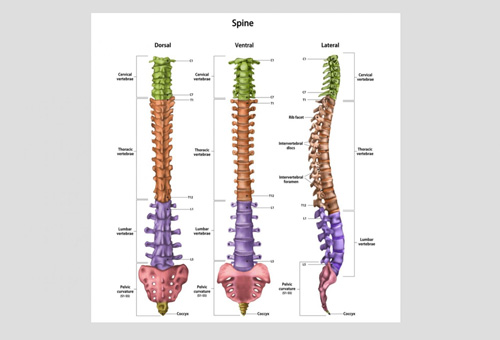
Vertebral Column in Anatomy of Backbone
The vertebral column, also known as the spine, is the bony structure that runs from the base of the skull to the tailbone. It protects the spinal cord, supports the body’s weight, and allows for movement.
কশেরুকা কলাম, মেরুদণ্ড নামেও পরিচিত, হাড়ের গঠন যা মাথার খুলির গোড়া থেকে লেজের হাড় পর্যন্ত চলে। এটি মেরুদন্ডকে রক্ষা করে, শরীরের ওজনকে সমর্থন করে এবং চলাচলের অনুমতি দেয়।
Structure
- The vertebral column is made up of 33 vertebrae, which are separated by intervertebral discs.
- The vertebrae are divided into five regions: cervical, thoracic, lumbar, sacral, and coccygeal.
- The vertebral column has an S-shape when viewed from the side.
- মেরুদণ্ডের স্তম্ভটি ৩৩টি মেরুদণ্ড দিয়ে গঠিত, যা ইন্টারভার্টিব্রাল ডিস্ক দ্বারা পৃথক করা হয়।
- মেরুদণ্ডগুলি পাঁচটি অঞ্চলে বিভক্ত: সার্ভিকাল, থোরাসিক, কটিদেশীয়, স্যাক্রাল এবং কোসিজিয়াল।
- পাশ থেকে দেখলে মেরুদণ্ডের স্তম্ভটি S-আকৃতির হয়।
Function
- The vertebral column supports the head and body’s weight.
- It protects the spinal cord from injury.
- It allows for movement of the trunk and limbs.
- It helps to maintain spinal alignment.
- মেরুদণ্ডের স্তম্ভ মাথা এবং শরীরের ওজনকে সমর্থন করে।
- এটি মেরুদণ্ডকে আঘাত থেকে রক্ষা করে।
- এটি ধড় এবং অঙ্গ-প্রত্যঙ্গের নড়াচড়ার সুযোগ করে দেয়।
- এটি মেরুদণ্ডের সারিবদ্ধতা বজায় রাখতে সাহায্য করে।
Pathology
- Degenerative diseases of the vertebral column are the leading cause of spinal disorders.
- Trauma, neoplastic disease, and developmental anomalies are also causes of spinal problems.
- মেরুদণ্ডের ক্ষয়িষ্ণু রোগগুলি মেরুদণ্ডের ব্যাধিগুলির প্রধান কারণ।
- ট্রমা, নিওপ্লাস্টিক রোগ এবং বিকাশগত অসঙ্গতিগুলিও মেরুদণ্ডের সমস্যার কারণ।
Exercises
- Strengthening the core muscles that support your spine can help prevent back injuries and pain.
- আপনার মেরুদণ্ডকে সমর্থনকারী মূল পেশীগুলিকে শক্তিশালী করা পিঠের আঘাত এবং ব্যথা প্রতিরোধ করতে সাহায্য করতে পারে।
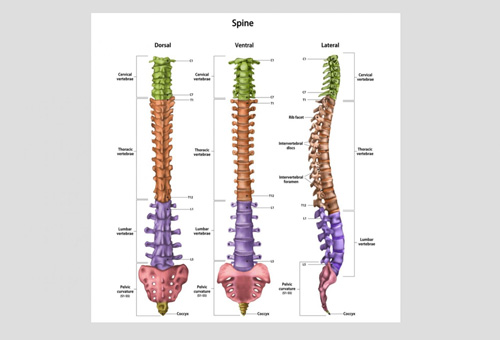
Spinal Cord in Anatomy of Backbone
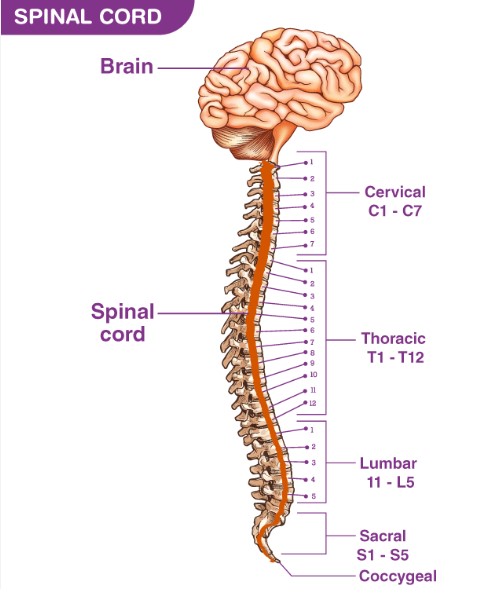
Cervical Spine in Anatomy of Backbone
The cervical spine is the part of the spine that makes up the neck. It’s made up of seven vertebrae. The vertebrae are C1, C2, C3, C3, C4, C5, C6, and C7. These vertebrae are separated by intervertebral discs. The cervical spine supports the head and neck, and allows for a wide range of motion.
সার্ভিকাল মেরুদণ্ড হল মেরুদণ্ডের অংশ যা ঘাড় তৈরি করে। এটি সাতটি কশেরুকা দিয়ে গঠিত। কশেরুকা হল C1, C2, C3, C3, C4, C5, C6 এবং C7। এই কশেরুকাগুলি ইন্টারভার্টেব্রাল ডিস্ক দ্বারা পৃথক করা হয়। সার্ভিকাল মেরুদণ্ড মাথা এবং ঘাড়কে সমর্থন করে এবং বিস্তৃত গতির জন্য অনুমতি দেয়।
Anatomy of Cervical Spine
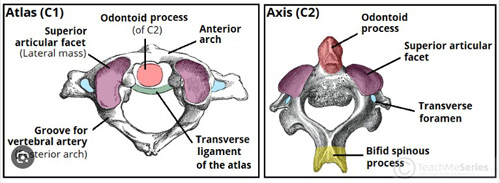
- The first two vertebrae, the atlas (C1) and the axis (C2), are designed for rotation.
- The atlas is a ring-shaped bone that holds the head upright.
- The axis has a post-like projection that allows the atlas to pivot.
- The spinal cord runs through the spinal canal, which is a hollow space in the center of the spine.
- The intervertebral discs act as shock absorbers.
প্রথম দুটি কশেরুকা, অ্যাটলাস (C1) এবং অক্ষ (C2), ঘূর্ণনের জন্য ডিজাইন করা হয়েছে।

অ্যাটলাস হল একটি রিং-আকৃতির হাড় যা মাথাকে সোজা করে রাখে।

অক্ষে একটি পোস্ট-সদৃশ অভিক্ষেপ রয়েছে যা অ্যাটলাসকে পিভট করতে দেয়।

স্পাইনাল কর্ড মেরুদণ্ডের খালের মধ্য দিয়ে চলে, যা মেরুদণ্ডের কেন্দ্রে একটি ফাঁপা জায়গা।

ইন্টারভার্টেব্রাল ডিস্ক শক শোষক হিসেবে কাজ করে।
Function of Cervical Spine:
- The cervical spine is very flexible, allowing for a wide range of head and neck motion.
- The cervical spine is at risk for injury from sudden movements, such as whiplash.
- সার্ভিকাল মেরুদণ্ড খুবই নমনীয়, যা মাথা এবং ঘাড়ের বিস্তৃত নড়াচড়ার সুযোগ করে দেয়।
- হুইপল্যাশের মতো হঠাৎ নড়াচড়ার কারণে সার্ভিকাল মেরুদণ্ডে আঘাতের ঝুঁকি থাকে।
Pain of the Cervical Spine:
Pain in or around the cervical spine is called cervicalgia. Neck pain is a common symptom of many different injuries and medical conditions.
জরায়ুর মেরুদণ্ডে বা তার আশেপাশে ব্যথাকে বলা হয় জরায়ুর কাঁটা। ঘাড় ব্যথা বিভিন্ন আঘাত এবং চিকিৎসাগত অবস্থার একটি সাধারণ লক্ষণ।
Cervical Vertebra Atlas and Axis in Anatomy of Backbone
Thoracic Spine in Anatomy of Backbone
The thoracic spine is the part of spine that is attached to the thorax. It’s made up of 12 vertebrae. The vertebrae are T1, T2, T3, T4, T5, T6, T7, T8, T9, T10, T11, and T12.
বক্ষঃ মেরুদণ্ড হল মেরুদণ্ডের অংশ যা বক্ষের সাথে সংযুক্ত থাকে। এটি 12টি কশেরুকা দিয়ে গঠিত। কশেরুকা হল T1, T2, T3, T4, T5, T6, T7, T8, T9, T10, T11 এবং T12।
Function of Thoracic Spine:
- Supports the upper body and rib cage
- Helps keep the body upright
- Controls the muscles and organs of the chest and abdomen
- Helps with balance and posture
শরীরের উপরের অংশ এবং পাঁজরের খাঁচাকে সমর্থন করে

শরীরকে সোজা রাখতে সাহায্য করে

বুক এবং পেটের পেশী এবং অঙ্গগুলিকে নিয়ন্ত্রণ করে

ভারসাম্য এবং অঙ্গবিন্যাস সাহায্য করে
Anatomy
- The thoracic spine has a kyphotic curve
- The vertebrae are connected by intervertebral discs that provide cushioning and flexibility
- The thoracic spine has facet joints that allow for rotation and lateral flexion
Pain and injury of Thoracic Spine:
- Irritation of the large muscles of the back and shoulder can be painful
- Joint problems in the upper back can be painful
- Thoracic spinal cord injuries can cause pain that radiates into the arms, legs, or around the rib cage
- Thoracic spinal cord injuries can also cause weakness or loss of sensation in the legs, genitals, or rectal region
- পিঠ এবং কাঁধের বৃহৎ পেশীতে জ্বালাপোড়া বেদনাদায়ক হতে পারে
- উপরের পিঠের জয়েন্টের সমস্যা বেদনাদায়ক হতে পারে
- থোরাসিক স্পাইনাল কর্ডের আঘাতের ফলে ব্যথা হতে পারে যা বাহু, পা বা পাঁজরের খাঁচার চারপাশে ছড়িয়ে পড়ে
- থোরাসিক স্পাইনাল কর্ডের আঘাতের ফলে পা, যৌনাঙ্গ বা মলদ্বার অঞ্চলে দুর্বলতা বা সংবেদন হ্রাস পেতে পারে।
Conditions that affect the thoracic spine Cartilage tears and degeneration in the facet joints, Misaligned or displaced ribs, Thoracic herniated disc, Arthritis, and Osteoporosis.
- পিঠ এবং কাঁধের বৃহৎ পেশীতে জ্বালাপোড়া বেদনাদায়ক হতে পারে
- উপরের পিঠের জয়েন্টের সমস্যা বেদনাদায়ক হতে পারে
- থোরাসিক স্পাইনাল কর্ডের আঘাতের ফলে ব্যথা হতে পারে যা বাহু, পা বা পাঁজরের খাঁচার চারপাশে ছড়িয়ে পড়ে
- থোরাসিক স্পাইনাল কর্ডের আঘাতের ফলে পা, যৌনাঙ্গ বা মলদ্বার অঞ্চলে দুর্বলতা বা সংবেদন হ্রাস পেতে পারে।
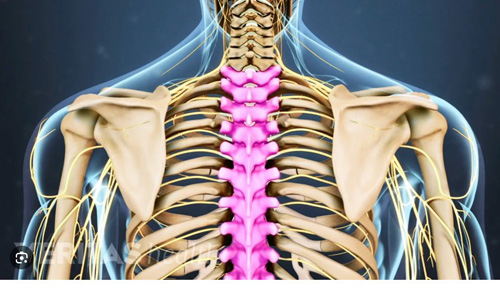
Thoracic Vertebra T1 in Anatomy of Backbone
The first thoracic vertebra (T1) is a unique vertebra that connects the cervical and thoracic spine. It has several distinct features, including:
প্রথম বক্ষঃ কশেরুকা (T1) হল একটি অনন্য কশেরুকা যা সার্ভিকাল এবং থোরাসিক মেরুদণ্ডকে সংযুক্ত করে। এটির বেশ কয়েকটি স্বতন্ত্র বৈশিষ্ট্য রয়েছে, যার মধ্যে রয়েছে:
- Body: Broad, concave, and lipped on either side, similar to a cervical vertebra
- Spinous process: Long, thick, and almost horizontal, similar to a cervical vertebra
- Transverse processes: Long and contain facets for the first pair of ribs
- Superior articular facets: Directed upward and backward
- Inferior demifacets: For articulation with the second rib
- Upper vertebral notches: Deeper than those of other thoracic vertebrae
- দেহ: প্রশস্ত, অবতল, এবং উভয় পাশে ঠোঁটযুক্ত, সার্ভিকাল কশেরুকার মতো
- মেরুদণ্ডের প্রক্রিয়া: লম্বা, পুরু এবং প্রায় অনুভূমিক, সার্ভিকাল কশেরুকার মতো
- ট্রান্সভার্স প্রক্রিয়া: প্রথম জোড়া পাঁজরের জন্য লম্বা এবং ধারণকারী দিক
- উচ্চতর আর্টিকুলার দিক: উপরের দিকে এবং পিছনে নির্দেশিত
- নিম্নতর অর্ধাংশ: দ্বিতীয় পাঁজরের সাথে সংযুক্তির জন্য
- উপরের কশেরুকার খাঁজ: অন্যান্য বক্ষঃ কশেরুকার চেয়ে গভীর
Other features
- T1 has a relatively small vertebral body
- T1 has an uncinate process
- T1 has broad and thick laminae that provide a strong structure for the attachment of muscles and ligaments
- T1 has short and stout pedicles that connect the vertebral body to the transverse processes
- T1 এর মেরুদণ্ডের দেহ তুলনামূলকভাবে ছোট
- T1 এর একটি অপ্রচলিত প্রক্রিয়া রয়েছে
- T1 এর প্রশস্ত এবং পুরু স্তর রয়েছে যা পেশী এবং লিগামেন্টের সংযুক্তির জন্য একটি শক্তিশালী কাঠামো প্রদান করে
- T1 এর ছোট এবং মোটা পেডিকেল রয়েছে যা মেরুদণ্ডের দেহকে ট্রান্সভার্স প্রক্রিয়ার সাথে সংযুক্ত করে।
Function
T1 is the uppermost vertebra in the thoracic spine, located immediately below the seventh cervical vertebra (C7). The thoracic spine is the middle section of your spine, starting at the base of your neck and ending at the bottom of your ribs.
T1 হল বক্ষঃস্থির মেরুদণ্ডের উপরের কশেরুকা, যা সপ্তম সার্ভিকাল কশেরুকার (C7) ঠিক নীচে অবস্থিত। বক্ষঃস্থির মেরুদণ্ড হল আপনার মেরুদণ্ডের মধ্যবর্তী অংশ, যা আপনার ঘাড়ের গোড়া থেকে শুরু হয়ে আপনার পাঁজরের নীচে শেষ হয়।
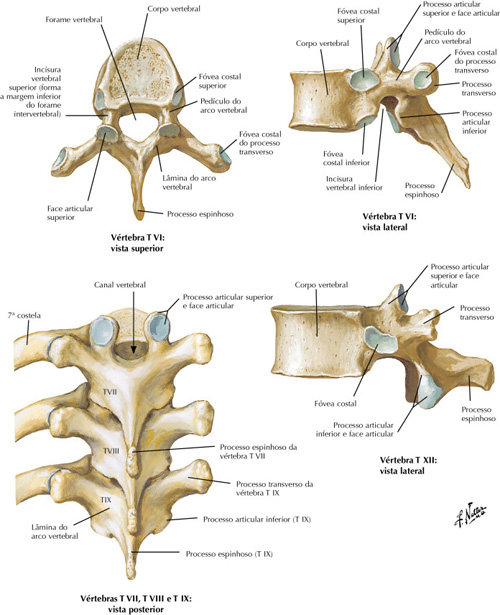
Lumber Vertebra L1 in Anatomy of Backbone
The L1 vertebra is the top most vertebra in the lumbar spine. It’s the smallest and most superior of the lumbar vertebrae.
L1 কশেরুকা হল কটিদেশীয় মেরুদণ্ডের শীর্ষতম কশেরুকা। এটি কটিদেশীয় কশেরুকার মধ্যে সবচেয়ে ছোট এবং সবচেয়ে উচ্চতর।
Function
Supports the upper body’s weight, Connects the thoracic and lumbar vertebrae, and Contains part of the spinal cord.
শরীরের উপরের ওজনকে সমর্থন করে, বক্ষ এবং কটিদেশীয় কশেরুকাকে সংযুক্ত করে এবং মেরুদণ্ডের অংশ ধারণ করে।
Structure
- Has a large, cylindrical vertebral body that makes up most of its mass
- Has a vertebral arch that’s a thin bony ring attached to the back of the vertebral body
- Has intervertebral discs between it and the vertebrae below it
- Has facet joints with adjacent vertebrae that allow for movement and stability
- Has a vertebral foramen that’s a central opening through which the spinal cord passes
- একটি বৃহৎ, নলাকার কশেরুকাযুক্ত দেহ রয়েছে যা এর ভরের বেশিরভাগ অংশ তৈরি করে
- একটি কশেরুকাযুক্ত খিলান রয়েছে যা কশেরুকার দেহের পিছনে সংযুক্ত একটি পাতলা হাড়ের বলয়
- এর এবং নীচের কশেরুকার মধ্যে আন্তঃভার্টিব্রাল ডিস্ক রয়েছে
- সংলগ্ন কশেরুকার সাথে পার্শ্বযুক্ত জয়েন্ট রয়েছে যা নড়াচড়া এবং স্থিতিশীলতা বজায় রাখে
- একটি কশেরুকার গহ্বর রয়েছে যা একটি কেন্দ্রীয় খোলা অংশ যার মধ্য দিয়ে মেরুদণ্ডের কর্ড যায়
Injuries
- Injuries to the L1 vertebra can affect hip flexion, cause paraplegia, loss of bowel/bladder control, and/or numbness in the legs
- Conditions affecting the L1 to L5 region of the back usually cause symptoms that are felt in the hips, legs, and feet
- L1 কশেরুকার আঘাতের ফলে নিতম্বের নমন প্রভাবিত হতে পারে, প্যারাপ্লেজিয়া হতে পারে, অন্ত্র/মূত্রাশয়ের নিয়ন্ত্রণ হারানো এবং/অথবা পায়ে অসাড়তা দেখা দিতে পারে
- পিঠের L1 থেকে L5 অঞ্চলকে প্রভাবিত করে এমন অবস্থাগুলি সাধারণত নিতম্ব, পা এবং পায়ে অনুভূত লক্ষণগুলির কারণ হয়।
Intervertebral Disc in Anatomy of Backbone
It is a cushion of fibrocartilage and the principal joint between two vertebrae in the spinal column. There are 23 discs in the human spine: 6 in the cervical region (neck), 12 in the thoracic region (middle back), and 5 in the lumbar region (lower back).
এটি ফাইব্রোকারটিলেজের একটি কুশন এবং মেরুদণ্ডের কলামে দুটি কশেরুকার মধ্যে প্রধান জয়েন্ট। মানুষের মেরুদণ্ডে 23টি ডিস্ক রয়েছে: 6টি সার্ভিকাল অঞ্চলে (ঘাড়), 12টি থোরাসিক অঞ্চলে (মধ্য পিঠে), এবং 5টি কটিদেশীয় অঞ্চলে (পিঠের নীচে)।
Sacrum in Anatomy of Backbone
The large, triangle-shaped bone in the lower spine that forms part of the pelvis. It is made of 5 fused bones of the spine. The fused bones are 5 sacral vertebrae and they are S1, S2, S3, S4, and S5.
নীচের মেরুদণ্ডে বড়, ত্রিভুজ আকৃতির হাড় যা পেলভিসের অংশ গঠন করে। এটি মেরুদণ্ডের 5 টি ফিউজড হাড় দিয়ে তৈরি। মিশ্রিত হাড় 5টি স্যাক্রাল কশেরুকা এবং সেগুলি হল S1, S2, S3, S4 এবং S5।
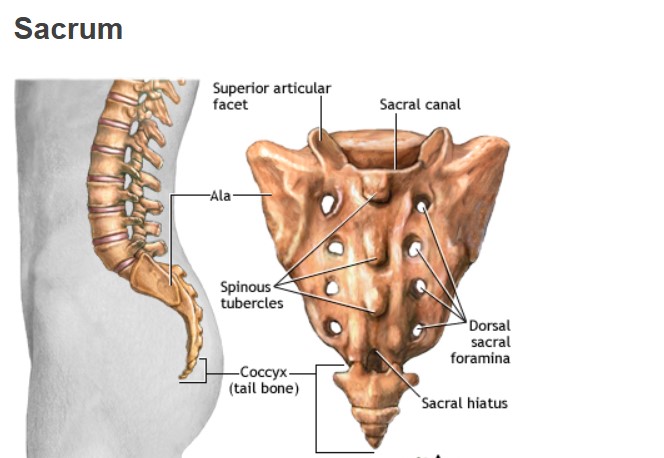
Coccyx in Anatomy of Backbone
The small bone at the bottom of the spine. It is made up of 3-5 fused bones. Also called tailbone.
মেরুদণ্ডের নীচে ছোট হাড়। এটি 3-5টি মিশ্রিত হাড় দিয়ে তৈরি। টেইলবোনও বলা হয়।
Axial Cross-Section of the Spinal Cord in Anatomy of Backbone
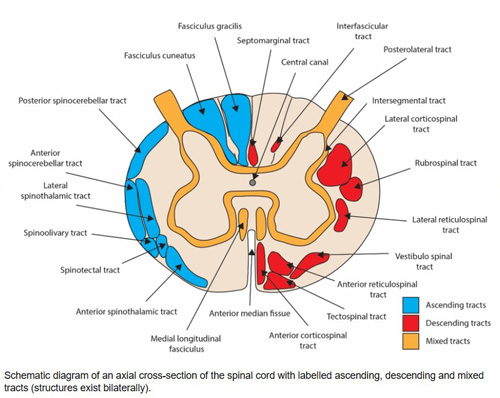
Central Canal of the Spinal Cord in Anatomy of Backbone
The central canal of the spinal cord is a narrow, fluid-filled channel that runs through the center of the spinal cord, carrying CSF and extending from the fourth ventricle of the brain down to the conus medullaris, essentially acting as a conduit to nourish the spinal cord’s central tissues; it is lined with ependymal cells and is considered part of the ventricular system of the brain.
মেরুদন্ডের কেন্দ্রীয় খাল হল একটি সরু, তরল-ভরা চ্যানেল যা মেরুদন্ডের কেন্দ্রের মধ্য দিয়ে প্রবাহিত হয়, যা CSF বহন করে এবং মস্তিষ্কের চতুর্থ ভেন্ট্রিকল থেকে কনাস মেডুলারিস পর্যন্ত প্রসারিত হয়, মূলত মেরুদন্ডের কেন্দ্রীয় টিস্যুগুলিকে পুষ্ট করার জন্য একটি নালী হিসাবে কাজ করে; এটি এপেনডাইমাল কোষের সাথে রেখাযুক্ত এবং মস্তিষ্কের ভেন্ট্রিকুলার সিস্টেমের অংশ হিসাবে বিবেচিত হয়।
Key points about the central canal:
- Location: Situated within the gray commissure of the spinal cord, which connects the left and right sides of the spinal cord.
- Function: Primarily transports cerebrospinal fluid to the center of the spinal cord, providing nutrients and cushioning it from impact.
- Origin: Develops from the lumen of the neural tube during embryonic development.
- Other names: Spinal foramen, ependymal canal.
- অবস্থান: মেরুদণ্ডের ধূসর অংশের মধ্যে অবস্থিত, যা মেরুদণ্ডের বাম এবং ডান দিকগুলিকে সংযুক্ত করে।
- কার্যকারিতা: প্রাথমিকভাবে মেরুদণ্ডের কেন্দ্রে সেরিব্রোস্পাইনাল তরল পরিবহন করে, পুষ্টি সরবরাহ করে এবং আঘাত থেকে রক্ষা করে।
- উৎপত্তি: ভ্রূণের বিকাশের সময় নিউরাল টিউবের লুমেন থেকে বিকশিত হয়।
- অন্যান্য নাম: মেরুদণ্ডের ফোরামেন, এপেন্ডাইমাল খাল।
Causes of Intervertebral Disc Degenaration in Anatomy of Backbone
Intervertebral Disc অধঃপতনের কারন সমুহ:
Intervertebral disc degeneration is primarily caused by a combination of factors including aging, genetics, repetitive stress, injuries, obesity, smoking, and poor posture, which all contribute to the gradual breakdown of the discs’ structural components, leading to decreased shock absorption and potential pain.
ইন্টারভার্টেব্রাল ডিস্কের অবক্ষয় মূলত বার্ধক্য, জেনেটিক্স, পুনরাবৃত্তিমূলক চাপ, আঘাত, স্থূলতা, ধূমপান এবং দুর্বল ভঙ্গি সহ বিভিন্ন কারণের সংমিশ্রণের কারণে ঘটে, যা ডিস্কের কাঠামোগত উপাদানগুলির ধীরে ধীরে ভাঙ্গনে অবদান রাখে, যার ফলে শক শোষণ হ্রাস পায় এবং সম্ভাব্য ব্যথা হয়।
Key factors causing disc degeneration:
- Natural aging:As we age, the discs naturally lose water content, becoming less resilient and more prone to degeneration.
- Genetics:Some individuals have genetic predispositions that affect the quality of the disc tissue, making them more susceptible to degeneration.
- Mechanical stress:Repetitive heavy lifting, awkward lifting postures, and prolonged sitting can put excessive strain on the discs.
- Acute injuries:Traumatic events like falls or sudden impact can cause direct damage to the discs.
- Obesity:Excess weight puts additional pressure on the spine, contributing to disc degeneration.
- Smoking:Nicotine can impair blood flow to the discs, hindering their ability to repair themselves.
- Poor posture:Maintaining poor posture consistently can place uneven stress on the discs.
- Inadequate nutrition:Deficiencies in essential nutrients like vitamin D may affect disc health.
- প্রাকৃতিক বার্ধক্য: বয়স বাড়ার সাথে সাথে, ডিস্কগুলি স্বাভাবিকভাবেই জলের পরিমাণ হ্রাস করে, কম স্থিতিস্থাপক হয়ে ওঠে এবং অবক্ষয়ের ঝুঁকিতে পড়ে।
- জেনেটিক্স: কিছু ব্যক্তির জিনগত প্রবণতা থাকে যা ডিস্ক টিস্যুর গুণমানকে প্রভাবিত করে, তাদের অবক্ষয়ের জন্য আরও সংবেদনশীল করে তোলে।
- যান্ত্রিক চাপ: বারবার ভারী জিনিস তোলা, অস্বস্তিকরভাবে তোলার ভঙ্গি এবং দীর্ঘক্ষণ বসে থাকা ডিস্কের উপর অতিরিক্ত চাপ সৃষ্টি করতে পারে।
- তীব্র আঘাত: পড়ে যাওয়া বা হঠাৎ আঘাতের মতো আঘাতজনিত ঘটনাগুলি ডিস্কের সরাসরি ক্ষতি করতে পারে।
- স্থূলতা: অতিরিক্ত ওজন মেরুদণ্ডের উপর অতিরিক্ত চাপ সৃষ্টি করে, যা ডিস্কের অবক্ষয়ের কারণ হয়।
- ধূমপান: নিকোটিন ডিস্কে রক্তপ্রবাহকে ব্যাহত করতে পারে, যা তাদের নিজেদের মেরামত করার ক্ষমতাকে বাধাগ্রস্ত করে।
- খারাপ ভঙ্গি: ধারাবাহিকভাবে খারাপ ভঙ্গি বজায় রাখা ডিস্কের উপর অসম চাপ সৃষ্টি করতে পারে।
- অপর্যাপ্ত পুষ্টি: ভিটামিন ডি এর মতো প্রয়োজনীয় পুষ্টির ঘাটতি ডিস্কের স্বাস্থ্যের উপর প্রভাব ফেলতে পারে।
How disc degeneration occurs:
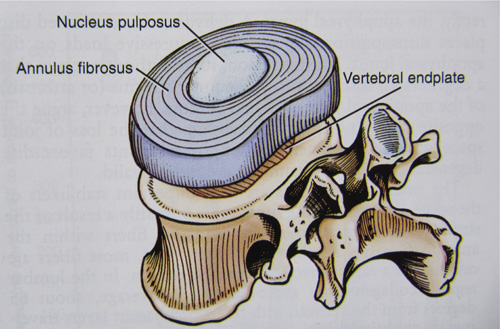
- Loss of water content:As we age, the nucleus pulposus (the gel-like center of the disc) loses its water content, making it less able to absorb shock.
- Tears in the annulus fibrosus:The outer fibrous ring of the disc can develop tears due to excessive strain, allowing the nucleus pulposus to bulge out.
- Degradation of collagen fibers:The collagen fibers within the disc can break down, reducing the disc’s structural integrity.
- Endplate changes:The cartilage-like endplates that cover the discs can become calcified, restricting nutrient supply to the disc
- জলের পরিমাণ হ্রাস: বয়স বাড়ার সাথে সাথে, নিউক্লিয়াস পালপোসাস (ডিস্কের জেলের মতো কেন্দ্র) তার জলের পরিমাণ হ্রাস করে, যার ফলে এটি শক শোষণ করতে কম সক্ষম হয়।
- অ্যানুলাস ফাইব্রোসাসে টিয়ার: অতিরিক্ত চাপের কারণে ডিস্কের বাইরের তন্তুযুক্ত বলয়টি অশ্রু তৈরি করতে পারে, যার ফলে নিউক্লিয়াস পালপোসাস ফুলে বেরিয়ে আসতে পারে।
- কোলাজেন ফাইবারের অবক্ষয়: ডিস্কের মধ্যে থাকা কোলাজেন ফাইবারগুলি ভেঙে যেতে পারে, যা ডিস্কের কাঠামোগত অখণ্ডতা হ্রাস করে।
- এন্ডপ্লেটের পরিবর্তন: ডিস্কগুলিকে ঢেকে রাখা তরুণাস্থির মতো এন্ডপ্লেটগুলি ক্যালসিফাই হয়ে যেতে পারে, যা ডিস্কে পুষ্টি সরবরাহ সীমিত করে।
Causes of Vertebral Fracture in Anatomy of Backbone
Vertebral fractures can occur due to a number of causes, including osteoporosis, trauma, tumors, and infections.
অস্টিওপোরোসিস, ট্রমা, টিউমার এবং সংক্রমণ সহ বিভিন্ন কারণে মেরুদণ্ডের ফ্র্যাকচার হতে পারে।
Osteoporosis
- The most common cause of vertebral fractures, especially in women over 50
- A disease that causes bones to become fragile
- Bones lose calcium and other minerals with age
- মেরুদণ্ডের হাড় ভাঙার সবচেয়ে সাধারণ কারণ, বিশেষ করে ৫০ বছরের বেশি বয়সী মহিলাদের ক্ষেত্রে
- এমন একটি রোগ যার কারণে হাড় ভঙ্গুর হয়ে যায়
- বয়সের সাথে সাথে হাড় ক্যালসিয়াম এবং অন্যান্য খনিজ পদার্থ হারাতে থাকে
Trauma
- The second most common cause of vertebral fractures
- Can occur from a fall, forceful jump, car accident, or other event that stresses the spine
- Chance fractures are caused by a strong force pulling the vertebrae apart
- মেরুদণ্ডের হাড় ভাঙার সবচেয়ে সাধারণ কারণ, বিশেষ করে ৫০ বছরের বেশি বয়সী মহিলাদের ক্ষেত্রে
- এমন একটি রোগ যার কারণে হাড় ভঙ্গুর হয়ে যায়
- বয়সের সাথে সাথে হাড় ক্যালসিয়াম এবং অন্যান্য খনিজ পদার্থ হারাতে থাকে
Tumors
- Can weaken the vertebrae to the point of fracture
- Metastatic cancer that starts in another part of the body can spread to the bones in the spine
- Tumors that start in the spine, such as multiple myeloma
- মেরুদণ্ডকে দুর্বল করে ফ্র্যাকচারের পর্যায়ে নিয়ে যেতে পারে
- শরীরের অন্য অংশে শুরু হওয়া মেটাস্ট্যাটিক ক্যান্সার মেরুদণ্ডের হাড়ে ছড়িয়ে পড়তে পারে
- মেরুদণ্ডে শুরু হওয়া টিউমার, যেমন মাল্টিপল মায়লোমা
Infections
- Bacterial infections can attack the spine, causing spinal discs to decay and vertebrae to weaken or fracture
- ব্যাকটেরিয়া সংক্রমণ মেরুদণ্ডে আক্রমণ করতে পারে, যার ফলে মেরুদণ্ডের ডিস্ক ক্ষয়প্রাপ্ত হয় এবং মেরুদণ্ড দুর্বল বা ফ্র্যাকচার হয়।
Other causes chemotherapy, long-term steroid use, hyperthyroidism, and radiation therapy.
অন্যান্য কারণ হল কেমোথেরাপি, দীর্ঘমেয়াদী স্টেরয়েড ব্যবহার, হাইপারথাইরয়েডিজম এবং রেডিয়েশন থেরাপি।