 MATCDHAKA – Medical Assistant Training Centre in Dhaka Pharmacy, Veterinary, Dental, Nursing, Pathology, Physiotherapy and Homeopathy Training Institute in Dhaka



Local Medical Assistant and Family Welfare | LMAF Course | 1 Year Details
Local Medical Assistant and Family Welfare 1Y. Mobile Number-01987073965, 01797522136. LMAF course of Local Medical Assistant and Family Welfare. This courses contains 10 subjects. This subjects are Anatomy & Physiology, Pharmacology, First Aid, OTC drug & medicine, Hematology & Pathology, Cardiovascular anatomy & physiology, Orthopedic anatomy & physiology, General chemistry & Biochemistry, Medical diagnosis, Surgery & Antimicrobial drug. Local Medical Assistant and Family Welfare Course In Dhaka
Course Summary of Local Medical Assistant and Family Welfare
Total Subjects : 10
Total Exam Marks : 1000
Total Semester : 2
1’st Semester for Local Medical Assistant and Family Welfare | LMAF Course | 1 Year
- Human Anatomy & Physiology………………………..Marks-100
- General Chemistry + Pharmacology-1……………..Marks-100
- First Aid-1 + Practice of Medicine…………………….Marks-100
- Hematology + Pathology for Medical Practice….Marks-100
- Study of OTC Drugs……………………………………………Marks-100
2’nd Semester for Local Medical Assistant and Family Welfare | LMAF Course | 1 Year
- Cardiovascular Anatomy & Physiology……………..Marks-100
- Orthopedic Anatomy & Physiology.…………………..Marks-100
- General Chemistry & Biochemmistry………………….Marks-100
- Medical Diagnosis….……………………………………………Marks-100
- Surgery & Antimicrobial Drugs……..……….…………..Marks-100
Local Medical Assistant and Family Welfare | LMAF Course | 1 Year In Bangladesh
- Classes :
- One Class in a week.
Total Classes ( 3 × 48 )
Local Medical Assistant and Family Welfare Course In Mirpur
- Cost Summary :
- Total Course Fee : 52,500 /-
- Admission Fee :10,500 /-
- Monthly Fee : (12 × 3000)
- Exam Fee : (2) 6000 /-
Location for Local Medical Assistant and Family Welfare | LMAF Course | 1 Year in Bangladesh
Location for DMA Courses in Bangladesh: HRTD Medical Institute, Section-6, Block-Kha, Road-1, Plot-11, Metro Rail Piller Number 249, Mirpur-10 Golchattar, Dhaka-1216. Mobile Phone Number 01797522136, 01987073965
Practical Class for Local Medical Assistant and Family Welfare | LMAF Course | 1 Year
Auscultation, Heart Beat, Heart Rate, Heart Sound, Pulse, Blood Pressure, Respiratory Rate, Inhaler, Rota Haler, Nebulizer, Blood Oxygen, Cyanosis, Blood Glucose (Diabetes), Body Temperature, Dehydration Test, Edema Test, IM Injection, IV Injection, Saline Infusion, Cleaning, Dressing, Bandaging.
Anatomy & Physiology of Local Medical Assistant and Family Welfare | LMAF Course | 1 Year
Anatomy and Physiology is an important subject for medical science. The study of Body Structure and its functions is Anatomy and Physiology. Here we discuss the systems of the Human Body and its Organs, Tissues, and Cells. The systems of the Human Body are the Nervous System, Digestive System, Respiratory System, Circulatory System or Cardiovascular System, Skeletal System, Muscular System, Endocrine System, Immune System, Lymphatic System, Integumentary System or Covering System, and Urinary System.
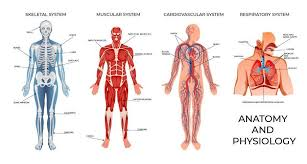
Anatomy and physiology (A&P) are the foundational sciences of the body: Anatomy studies the body’s structures and their physical relationships (the “what & where”), while Physiology studies how those structures function (the “how & why”). Together, they explain life, from atoms to organ systems, focusing on how the body maintains balance (homeostasis) through interconnected systems like cardiovascular, nervous, and respiratory. A key principle is the complementarity of structure and function: form dictates function, meaning the shape of a part enables its job, like heart chambers pumping blood.
Anatomy: The Study of Structure
- Definition: The study of internal and external body structures and their relationships.
- Levels: From atoms and molecules to cells, tissues (muscle, nerve), organs (heart, liver), and organ systems (digestive, skeletal).
- Key Concepts:
- Anatomical Position: A standard upright posture used as a reference.
- Planes: Imaginary lines (sagittal, coronal, transverse) dividing the body.
- Directional Terms: Words like superior, inferior, anterior, posterior to locate parts.
Physiology: The Study of Function
- Definition: The study of how the body’s parts work and support life.
- Focus: The chemical and physical processes, like cell respiration, nerve signals, and blood pumping.
- Key Concepts:
- Homeostasis: Maintaining a stable internal environment (temperature, water, nutrients).
- Systems: How systems (respiratory, digestive) interact to maintain life.
Why They’re Studied Together
- A&P are inseparable: You can’t understand how the heart pumps (physiology) without knowing its four chambers (anatomy).
- Essential for healthcare: Doctors, nurses, and scientists use A&P to understand health, diagnose diseases, and develop treatments.
Pharmacology for Local Medical Assistant and Family Welfare | LMAF Course | 1 Year In Bangladesh
Pharmacology is an important subject in Local Medical Assistant and Family Welfare Course . The study of drugs knowledge & Medicine is called Pharmacology. Common groups of Drugs are Antiulcer drug, Antidiabetic drugs, Antihistamine drugs, Anti Inflammatory drugs, Antipyretic drugs, Anthelmintic drug, Antiprotozoa drugs, Anti bacteria drugs, NSAID drugs, Steroid drugs etc.
The subject of pharmacology is a deep and fascinating biomedical science that studies how drugs and other chemicals interact with living systems to produce effects, whether beneficial or harmful. It is a foundational discipline for medicine and healthcare, providing the knowledge needed to develop new treatments, improve existing ones, and ensure the safe and effective use of medications.
The Core of Pharmacology: Two Main Branches
At its heart, pharmacology is generally divided into two fundamental branches that describe the dynamic relationship between a drug and a living body:
- Pharmacokinetics (What the body does to the drug): This branch focuses on the movement of drugs within the body, a process often summarized by the acronym L-ADME:
- Liberation: The release of the drug from its formulation (e.g., a pill dissolving).
- Absorption: How the drug enters the bloodstream from the site of administration (e.g., the gut or skin).
- Distribution: How the drug spreads throughout the body’s tissues and fluids.
- Metabolism: How the drug is chemically altered or broken down, primarily in the liver.
- Excretion: How the drug and its metabolites are eliminated from the body, mainly through the kidneys.
Understanding these processes is crucial for determining the appropriate dosage and frequency of a medicine.
- Pharmacodynamics (What the drug does to the body): This area explores the biochemical and physiological effects of drugs and their specific mechanisms of action, such as binding to receptors on cells. Key concepts include:
- Receptor Binding: Most drugs work by binding to specific molecular targets (receptors, enzymes, etc.) in the body.
- Dose-Response Relationships: This helps determine the relationship between the amount of a drug given and the magnitude of the effect produced.
- Therapeutic Index: This concept describes the ratio between the effective dose and the toxic dose, helping to define the safety margin of a drug.
Key Areas and Sub-disciplines
Pharmacology is a highly interdisciplinary field, drawing on biology, chemistry, biochemistry, physiology, and genetics. This broad scope has led to numerous specialized areas of study:
- Neuropharmacology: The study of drugs that affect the central and peripheral nervous systems, used to treat conditions like neurodegenerative diseases and psychiatric illnesses.
- Cardiovascular Pharmacology: Focuses on drugs used to treat heart and circulatory system conditions, such as high blood pressure and heart failure.
- Chemotherapy: The study of drugs used to treat infections (antibiotics, antivirals) and cancer.
- Toxicology: Often considered a sister science to pharmacology, toxicology focuses on the adverse effects of chemicals and risk assessment.
- Clinical Pharmacology: The application of pharmacological principles directly to human patients in a clinical setting to optimize their treatment.
- Pharmacogenomics: A modern field that studies how an individual’s genetic makeup influences their response to drugs, paving the way for personalized medicine.
- Drug Discovery and Development: This area involves the intricate process of identifying new potential medicines, testing them rigorously in preclinical and clinical trials, and bringing them to market.
Pharmacology vs. Pharmacy
It’s important not to confuse pharmacology with pharmacy, although they are related.
- Pharmacology is a science focused on research, discovering how drugs work, and developing new ones, typically in a lab or academic setting.
- Pharmacy is a healthcare profession focused on patient care, involving the preparation, dispensing, and management of medications to ensure their safe and effective use in patients.
Careers and Impact
A background in pharmacology can lead to a wide range of rewarding careers, from academic research and teaching to working within the pharmaceutical industry, regulatory bodies (like the in the US), or clinical research. Pharmacologists are at the forefront of medical advancements, working to solve global health challenges like antibiotic resistance and developing new treatments for debilitating diseases.
In essence, the study of pharmacology is about understanding life itself through the lens of chemistry, and using that profound knowledge to alleviate suffering and improve human (and animal) health on a global scal
First Aid for Local Medical Assistant and Family Welfare | LMAF Course | 1 Year
First Aid is an important subject for all courses. It is very important for the RMP Course. Here we discuss Shock, Classifications of Shock, Causes of Shock, Stages of Shock, Clinical Features of Shock, Hypovolemic Shock, Cardiogenic Shock, Neurogenic Shock, Traumatic Shock, Burn Shock, Electric Shock, Psychogenic Shock, Anaphylactic Shock, First Aid of Shock, Management of Shock, First Aid of Cut, First of Snake Bite, First Aid of Accidental Injury, etc
Study of OTC Drugs for Local Medical Assistant and Family Welfare | LMAF Course | 1 Year
OTC is the short form of over-the-counter. That is OTC Drugs are over-the-counter drugs. The study of OTC Drugs is important for RMP Courses. These Drugs can be sold or purchased without any prescription from Registered MBBS Doctors. These Drugs are Emergency and Safe for the patients. The study of OTC Drugs improves the quality of practice. Some OTC Drugs are Paracetamol, Albendazole, Ascorbic Acid, Calcium, Multivitamins, Vitamin B Complex, Omeprazole, Oral Rehydration Salt, Salbutamol, Mebendazole, Neomycin, Gentamycin, Bacitracin, etc
Hematology and Pathology for Local Medical Assistant and Family Welfare | LMAF Course | 1 Year
Hematology and Pathology are important Subjects for Medical Science. The study of Blood is called Hematology and the Study of Pathos is called Pathology. In Hematology and Pathology, we discuss blood cells, their morphology and functions, Blood Diseases, Common Pathos and their pathogenesis, Atrophy, Hypertrophy, Metaplasia, Gangrene, Pathological Tests like TC, DC, ESR, Hemoglobin Percentage, etc
Hematology for Local Medical Assistant and Family Welfare | LMAF Course | 1 Year
Hematology is the branch of medicine concerned with the study, diagnosis, treatment, and prevention of diseases related to blood and blood-forming organs. This specialty covers the cellular components of blood—including red blood cells, white blood cells, and platelets—as well as the bone marrow, lymph nodes, spleen, and the proteins involved in blood clotting.
Components of Blood Under Study
- Red Blood Cells (Erythrocytes): Carry oxygen throughout the body.
- White Blood Cells (Leukocytes): Fight off infections and support the immune system.
- Platelets (Thrombocytes): Help the blood clot to prevent excessive bleeding.
- Plasma: The liquid base that transports nutrients, hormones, and proteins
Common Conditions Treated for Local Medical Assistant and Family Welfare | LMAF Course | 1 Year
Hematology is generally split into two subcategories based on the nature of the condition:
- Benign (Non-Cancerous) Hematology:
- Anemias: Shortage or malfunction of red blood cells (e.g., iron deficiency, sickle cell disease, thalassemia).
- Bleeding Disorders: Inability to clot properly, such as hemophilia or von Willebrand disease.
- Thrombotic Disorders: Over-clotting leading to dangerous blockages, like deep vein thrombosis (DVT).
- Malignant (Cancerous) Hematology:
- Leukemia: Cancer of the blood-forming tissues, usually white blood cells.
- Lymphoma: Cancer affecting the lymphatic system and lymphocytes.
- Multiple Myeloma: Cancer that forms in a type of white blood cell called a plasma cell.
Standard Diagnostics and Procedures
Hematologists rely on various clinical laboratory tests to assess blood health:
- Complete Blood Count (CBC): Evaluates overall cell levels to check for infection, anemia, or leukemia.
- Peripheral Blood Smear: Inspects the physical shape and appearance of blood cells under a microscope.
- Prothrombin Time Test (PT/PTT): Measures how fast the blood coagulates.
- Bone Marrow Biopsy: Extracts a small tissue sample from bones to check cell production at the source.
- Therapies: Treatments range from blood transfusions and anticoagulants to advanced cellular engineering like CAR T-cell therapy and bone marrow transplants.
Pathology for Medical Practice for Local Medical Assistant and Family Welfare | LMAF Course | 1 Year
Pathology serves as the vital bridge between basic science and clinical medical practice, providing the scientific foundation required to understand, diagnose, and treat human disease. Roughly 70% to 80% of all diagnostic and treatment decisions in modern healthcare rely directly on pathological investigations
The 4 Pillars of Disease Inquiry
To understand any medical condition, clinical practice evaluates a disease through four distinct pathological lenses:
- Etiology: The underlying cause or origin of the disease, such as genetic mutations, biological pathogens, or environmental toxins.
- Pathogenesis: The step-by-step cellular, molecular, and biochemical mechanism that unfolds after the body is exposed to an injurious stimulus.
- Morphological Changes: The structural alterations induced in cells, tissues, or entire organ systems that are visible macroscopically or under a microscope.
- Clinical Manifestations: The resulting signs, symptoms, and functional complications that direct a patient to seek medical care.
Core Branches in Medical Practice for Local Medical Assistant and Family Welfare | LMAF Course | 1 Year
Medical institutions organize pathology departments into two primary diagnostic divisions, alongside specialized molecular fields:
| Branch | Primary Focus | Common Modalities & Tests |
|---|---|---|
| Anatomic Pathology | Structural abnormalities in solid tissues and cells. | Gross dissection, biopsy review, pap smears, and autopsies. |
| Clinical Pathology | Biochemical and cellular analysis of bodily fluids. | Complete blood counts, lipid panels, cultures, and metabolic panels. |
| Molecular Pathology | Sub-cellular DNA, RNA, and protein mutations. | Next-generation sequencing (NGS), PCR testing, and fluorescence in situ hybridization. |
Main Specializations & Clinical Applications for Local Medical Assistant and Family Welfare | LMAF Course | 1 Year
- Histopathology: Examining chemically fixed, thin-sectioned tissue samples under a microscope using standard stains like hematoxylin and eosin (H&E) to definitively diagnose malignancies.
- Hematopathology: Diagnosing specific diseases of the blood, bone marrow, and lymphatic systems, including leukemia, lymphoma, and hemophilia.
- Medical Microbiology: Identifying bacterial, viral, fungal, or parasitic organisms responsible for infectious diseases to direct targeted antibiotic or antiviral regimens.
- Chemical Pathology: Quantifying biomarkers, electrolytes, enzymes, and toxic substances within the plasma or serum to monitor systemic organ function.
Cardiovascular Anatomy & Physiology for
The cardiovascular system is a closed circulatory network comprising the heart and blood vessels. Its primary function is to pump and circulate blood to deliver oxygen and nutrients to tissues while removing metabolic waste products like carbon dioxide
Anatomical Structure of the Heart
The heart is a hollow, muscular organ located in the mediastinum of the thoracic cavity. It is shielded by a protective, fluid-filled sac called the pericardium.
1. The Heart Wall
The wall consists of three distinct layers:
- Epicardium: The outer, protective visceral layer.
- Myocardium: The thick, involuntary muscle layer responsible for contraction.
- Endocardium: The smooth, inner endothelial lining of the chambers.
2. Chambers and Valves
The heart contains four distinct chambers divided into right and left halves by a muscular septum. Four one-way valves ensure unidirectional blood flow.
- Right Atrium (RA): Receives deoxygenated blood from the upper body via the superior vena cava and the lower body via the inferior vena cava.
- Tricuspid Valve: Prevents backflow from the right ventricle into the right atrium.
- Right Ventricle (RV): Pumps deoxygenated blood into the pulmonary trunk through the Pulmonary Valve.
- Left Atrium (LA): Receives oxygenated blood returning from the lungs via four pulmonary veins.
- Mitral (Bicuspid) Valve: Prevents backflow from the left ventricle into the left atrium.
- Left Ventricle (LV): Possesses a thick muscular wall to pump oxygenated blood through the Aortic Valve into the aorta for systemic distribution.
The Vascular Network
Blood vessels act as conduits through which blood flows continuously. They typically feature three cellular layers (tunics): tunica intima, tunica media (smooth muscle), and tunica externa.
- Arteries: Thick-walled, elastic vessels that carry high-pressure blood away from the heart.
- Arterioles: Small arterial branches that regulate systemic vascular resistance and blood pressure.
- Capillaries: Microscopic, single-cell thick vessels where gas, nutrient, and waste exchange occurs.
- Venules & Veins: Thin-walled, highly distensible vessels that return low-pressure blood back to the heart. Veins contain internal valves to prevent gravity-induced backflow.
Cardiovascular Physiology
1. Dual Circulatory Circuits
The heart drives blood through two interconnected loops:
- Pulmonary Circuit: The right side pumps oxygen-poor blood to the lungs for gas exchange, returning oxygen-rich blood to the left atrium.
- Systemic Circuit: The left side pushes oxygen-rich blood to the rest of the body tissues and returns oxygen-depleted blood back to the right atrium.
2. Cardiac Conduction System
The heart generates its own electrical impulses independently of the nervous system via intrinsic autorhythmic cells:
- Sinoatrial (SA) Node: Located in the right atrium; acts as the natural pacemaker to initiate the heartbeat.
- Atrioventricular (AV) Node: Delays the electrical signal briefly to allow the atria to finish emptying into the ventricles.
- Bundle of His & Purkinje Fibers: Rapidly distribute the electrical wave down the interventricular septum and up the ventricular walls, causing synchronized ventricular contraction.
[SA Node] ➔ [AV Node] ➔ [Bundle of His] ➔ [Bundle Branches] ➔ [Purkinje Fibers]
3. The Cardiac Cycle
The mechanical cycle of a single heartbeat is split into two main functional phases:
- Systole (Contraction): The ventricles contract, raising internal pressure to force the AV valves closed (producing the S1 “lub” heart sound) and forcing open the semilunar valves to eject blood.
- Diastole (Relaxation): The ventricles relax and internal pressure drops, causing the semilunar valves to snap shut (producing the S2 “dub” heart sound) as the chambers fill with blood from the atria.
4. Hemodynamics and Regulation
- Cardiac Output (CO): The total volume of blood pumped by a ventricle per minute. It is calculated as:
\(\text{Cardiac\ Output\ (CO)}=\text{Stroke\ Volume\ (SV)}\times \text{Heart\ Rate\ (HR)}\) - Frank-Starling Law: States that within physiological limits, the heart automatically adjusts its stroke volume based on venous return—greater stretching of the myocardial fibers during filling results in a stronger contraction.
- Blood Pressure (BP): The hydrostatic force exerted by blood against vessel walls, clinically reported as Systolic over Diastolic pressure (e.g., 120/80 mmHg). It is tightly maintained by baroreceptors (pressure sensors in the carotid sinuses and aortic arch) and autonomic nervous pathways.
Teachers for Local Medical Assistant and Family Welfare | LMAF Course | 1 Year
Teachers for LMAF Course
Dr. Sakulur Rahman, MBBS, CCD, PGT
Dr. Suhana, MBBS, PGT
Dr. Lamia, MBBS, PGT
Dr. Shamima, MBBS, PGT
Dr. Disha, MBBS, FCPS
Dr. Tisha, MBBS, PGT Medicine
Dr. Mahinul Islam, MBBS,
Dr. Turzo, MBBS, FCPS
Dr. Juthi, BDS, PGT
Dr. Sanjana, BDS, MPH
Dr. Keya, BDS, PGT

One comment
Pingback: Diploma in Medicine and Surgery ( DMS 3 Year)