 MATCDHAKA – Medical Assistant Training Centre in Dhaka Pharmacy, Veterinary, Dental, Nursing, Pathology, Physiotherapy and Homeopathy Training Institute in Dhaka



Medical Diagnosis-1 Details
Medical Diagnosis. Mobile Phone 01797522136, 01987073965. Medical diagnosis is an important subject in medical science. It is essential for a medical doctor or medical practitioner.
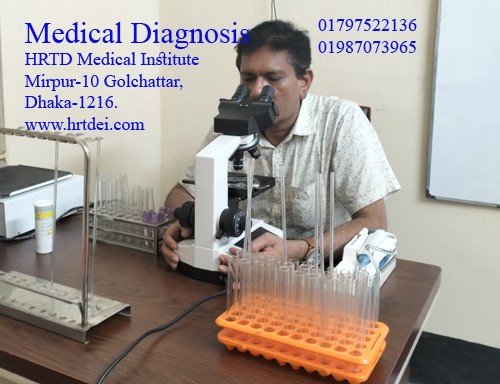
The common topics of medical diagnosis are general examinations for diagnosis, inspection, palpation, auscultation, percussion, rhonchi, crackle, pulmonary local zero sound, clinical features of jaundice, clinical features of appendicitis, clinical features of dehydration, causes of hepatomegaly, Mc Burney’s point, common cause of wheeze, common cause of cough, cyanosis, Murphy’s sign, causes of pyuria, causes of proteinuria, causes of oliguria. Medical Diagnosis is important for Doctors, Primary Medical Practitioners, Nurses, Emergency Medical Officers, Emergency Medical Assistants, Medical Assistants, and Village Doctors. There are many courses for Primary Medical Practitioners, Emergency Medical Assistants, Medical Assistants, Paramedical Doctors, and Village Doctors Courses in HRTD Medical Institute. Medical Diagnosis is essential before the Practice of Medicine.
1. Mention the general examination in medical diagnosis.
General examination in medical diagnosis
- Anaemia (রক্ত স্বল্পতা)
- Blood pressure (রক্তচাপ)
- Body built (দেহের গঠন)
- Cyanosis (শরীর নীল বর্ণ ধারন)
- Dehydration (পানি স্বল্পতা)
- Edema (টিস্যুতে পানি জমে ফুলে যাওয়া)
- Jaundice (হলুদ বর্ণ ধারন করা)
- Lymph node
- Nutrition (পুষ্টি)
- Pulse (রক্তের ডেউ)
- Respiration (শ্বাসের গতি)
- Swelling (ফুলে যাওয়া)
- Skin (ত্বক)
- Temperature (তাপমাত্রা)
2.Define inspection and palpation in Medical Diagnosis
Inspection: Doctor তার চোখ দিয়ে রোগীর যে অবস্থা দেখেন তাকে inspection বলে।
Palpation: Doctor তার হাত দিয়ে রোগীর যে অবস্থা দেখেন তাকে Palpation বলে।
3.Define auscultation and percussion in Medical Diagnosis.
Auscultation: Stethoscope দ্বারা রোগ নির্নয়ের পদ্ধতিকে auscultation বলে।
Percussion: Body তে (বিশেষ করে chest এবং abdomen) হাত রেখে তার উপর আঙ্গুল দ্বারা টোকা দিয়ে রোগ নির্নয়ের পদ্ধতিকে Percussion বলে।
4.Mention the basic idea about auscultation in Medical Diagnosis
Basic idea about auscultation in medical diagnosis
Stethoscope দ্বারা heart sound, respiration sound এবং bowel sound পরীক্ষা করা হয়। বার বার স্বাভাবিখ শব্দ শুনে স্বাভাবিক শব্দ সম্পর্কে পূর্ণ ধারনা নিতে হয়। ফরে অস্বাভাবিক শব্দ শোনা মাত্রই তা দ্রুত নির্নয় করা যায় এবং রোগ নির্নয় সহজ হয়।
5.Mention the area of auscultation in Medical Diagnosis
Area of auscultation
- সামনে clavicle থেকে 6th rib
- পার্শ্বে axilla থেকে 8th rib
- পিছনে কাঁধ থেকে 11th rib
- নাভির চারপাশে intestine এর নড়াচড়া ও খাবারের চলাচল।
6. Define Rhonchi, and mention the disease that creates rhonchi.
Rhonchi: Respiratory system দ্বারা সৃষ্ট বাঁশির ন্যায় সুরেলা শব্দকে Rhonchi বলে।
Disease that create rhonchi: Asthma and COPD রোগে শ্বাস ছাড়ার সময় rhonchi শোনা যায়। অনেক সময় খালি কানেও rhonchi শোনা যায়।
7. Define crackles, Mention the disease that create crackles
Crackles (গড় গড় শব্দ): crackles হচ্ছে এক ধরনের শব্দ যা বেসুরো এবং থেমে থেমে হয়।
Disease that create Crackle: Pneumonia, TB এবং Bronchitis রোগে শ্বাস ছাড়ার সময় এই শব্দ শোনা যায়।
8. Define pulmonary local zero sound in Medical Diagnosis.
Pulmonary local zero sound: Lungs এর কোন অঞ্চলে (local area) শ্বাসের শব্দ শোনা না গেলে তাকে pulmonary local zero sound বলে। Pleural effusion, Pneumothorax and Hemothorax রোগে শ্বাসের শব্দ শোনা যায় না। পার্শ্ববর্তী অঞ্চলে শ্বাসের শব্দ শোনা যায়।
9. Define bowel sounds.
Bowel sound:
Intestine এর নড়াচড়া এবং খাবারের sound কে bowel sound বলে। নাভীর চারপার্শ্বে auscultation করে bowel sound শোনা হয়। Acute abdomen এ bowel sound শোনা যায় না।
10. Mention the clinical features of jaundice.
Clinical featuers of jaundice
- sclera, জিহ্বার নিচে ও হাতের তালুতে হলুদ বর্ন ধারন করে।
- প্রস্রাব হলুদ হতে পারে।
- Bilirubin এর মাত্রা বৃদ্ধি পায় (রক্তে)।
11. Define rovsing sign with example.
Rovsing sign: Left ileac অঞ্চলে চাপ দিয়ে right ileac অঞ্চলে ব্যাথা অনুভব করাকে Rovsing sign বলে। Appendicitis থাকলে rovsing sign positive হবে
12.Mention the clinical features of appendicitis
Clinical features of appendicitis
- Right ileac অঞ্চলে McBurney’s point এ চাপ দিলে ব্যাথা হবে।
- Left ileac অঞ্চলে চাপ দিলে right ileac অঞ্চলে ব্যাথা করবে
- Right ileac অঞ্চলে চাপ দিয়ে হঠাৎ ছেড়ে দিলে বেশিব্যাথা অনুভব হবে।
13. Mention the clinical features of dehydration
Clinical features of dehydration
- জিহবা শুষ্ক থাকে।
- চোখ বসে যায়।
- বাচ্চাদের মাথার তালু বসে যায়।
- Skin এর elasticity কমে যায়। (skin মোচড় দিয়ে এই test করা হয়।
14. Mention the edema test.
আঙ্গুল দ্বারা চাপ দিলে বসে যায় এবং ছেড়ে দিলে সহজে স্বাভাবিক অবস্থায় ফিরে আসে না। অর্থাৎ tissue এর elasticity কমে যায়। পায়ে গোড়ালির উপর আঙ্গুল দিয়ে চাপ দিয়ে এই test করা হয়।
15. Define coastal margin. Draw a figure and indicate the coastal margin.
Thorax এর প্রান্তকে coastal margin বলে। Coastal margin দুইটি।
- Right coastal margin
- Left coastal margin
16. Define hepatomegaly. Draw a figure and describe hepatomegaly in short.
Liver স্বাভাবিক অবস্থার চেয়ে বড় হলে তাকে hepatomegaly বলে।
Description: স্বাভাবিক অবস্থায় liver এর প্রান্ত থাকে Right coastal margin থেকে সামান্য নিচে।
বৃদ্ধি প্রাপ্ত অবস্থায় liver এর প্রান্ত
- অল্প বৃদ্ধিতে সামান্য নিচে নেমে যায়
- মাঝারি বৃদ্ধিতে coastal margin এবং নাভীর মাঝামাঝিতে চলে যায়
- অতি বৃদ্ধিতে নাভী পযন্ত এমনকি নাভী পার হয়ে যায়
17. Mention the names of diseases that cause hepatomegaly
Names of diseases that cause hepatomegaly
- Liver cancer
- Kala Azar
- Lymphoma
- Leukemia
- Sarcoidosis
- Right heart failure
18. Define Mc Burney’s point. Mention the clinical importance of Mc Burney’s point.
Mc Burney’s point: Iliac crest and umbilica এর দুরত্বকে সমান তিনভাগে ভাগ করে iliac crest থেকে 1/3 and umbilica থেকে 2/3 দূরত্বে যে point পাওয়া যায় তাকে Mc Burney’s point বলে।
Clinical importance of Mc Burney’ point: Appendicitis হলে Mc Burney’s point ব্যাথা করে। Mc Burney’s point এ চাপ দিয়েও Appendicitis এর ব্যাথা নির্নয় করা হয়।
19.Define Wheeze and cough
Wheeze(হাঁচি): Upper respiratory tract থেকে কোন অপ্রত্যাশিত বস্তুকে নাক দিয়ে বের করে দেওয়ার biological mechanism কে Wheeze বা হাঁচি বলে।
Cough (কাশি): Lower respiratory tract থেকে কোন অপ্রত্যাশিত বস্তুকে মুখ দিয়ে বের করে দেওয়ার biological mechanism কে cough বা কাশি বলে।
20. Mention the common cause of wheeze.
- Rhinitis
- pharyngitis
- Sinusitis
- Nasal polyp
- Foreign body in the URT
- Anaphylaxis (Severe allergic reaction)
- Post nasal drip
21. Mention the common cause of cough.
- Asthma
- Chronic bronchitis
- COPD
- Pneumonia
- LRTI (Lower Respiratory tract infection)
- Foreign body in the LRT
22. Define cyanosis. Mention the common causes of cyanosis.
Cyanosis: Poor blood circulation অথবা অপযাপ্ত oxygenation এর কারনে skin এর নীল বর্ন ধারন করাকে cyanosis বলে।
Common causes of cyanosis
- Reduced cardiac output (e. g. heart failure, hypovolemia)
- COPD
- Arterial obstruction (e. g. PVD, Raynaud phenomenon)
- All common causes of central cyanosis.
23. Murphy’s sign কি? Murphy’s sign এর মাধ্যমে কিভাবে gall bladder Inflammation নির্ণয় করা হয়?
Murphy’s sign: Murphy’s sign is an indicate of gall bladder inflammation in medical diagnosis.
Murphy’s sign এর মাধ্যমে gall bladder inflammation निর্নয় পদ্ধতিঃ
- রোগীকে স্বাস প্রশ্বাস নিতে বলা হয়।
- Right Mid-clavicular line বরাবর gall bladder Inflammation এর স্থানে আঙ্গুল দ্বারা চাপ দেওয়া হয়।
- gall bladder এ Inflammation থাকলে এবং তা আঙ্গুলের সাথে লাগলে তীক্ষ্ণ ব্যাথা অনুভব করবে এবং রোগী হঠাৎ স্বাস বন্ধ করে ফেলবে। অর্থাৎ Murphy’s sign positive.
24. Define glycosuria. Mention the causes of glycosuria.
Glycosuria: Urine এর সাথে glucose উপস্থিত থাকলে তাকে glycosuria বলে।
Causes of glycosuria:
- Diabetes mellitus
- Pregnancy
- Hyper pituitaries
- Hyper adrenals
- Increased intracranial pressure
- Mental anxiety
- Chronic liver failure
- General anaesthesia
25. Define haematuria. Mention the causes of haematuria.
Haematuria in medical diagnosis: Urine এর সাথে blood উপস্থিত থাকলে তাকে haematuria বলে।
Causes of haematuria:
- Urinary tract problems
- injury
- Infection
- Urinary TB
- Stone
- Malignancy
- Systemic disease
- Coagulation disorder
- Malignant hypertention
- Drugs
- Anticoagulant therapy
26. Define pyuria. Mention the causes of pyuria.
Pyuria: Urine এর সাথে পুজ উপস্থিত থাকলে তাকে pyuria বলে।
Causes of pyuria:
- Renal TB
- Stone
- Renal abscess
- Gonorrhea
- Urethritis
- Cystitis
- Pyelitis
27. Define proteinuria. Mention the causes of proteinuria.
Proteinuria in medical diagnosis: The presence of protein in urine is called proteinuria. This protein is mainly albumin. So this is also called albuminuria.
Causes of proteinuria:
- Physical cause
- Pathological cause
- Pre Renal Cause
- Post Renal Cause
28. Mention the physiological causes of proteinuria.
Physiological causes of proteinuria in medical diagnosis:
- Orthostatic of posture
- High protein intake
- Exercise
- Exposure to cold
- Mental strain
29. Mention the renal causes of renal causes of proteinuria
Renal causes of proteinuria in medical diagnosis
- AGN
- Nephritic syndrome
- Pyelonephritis
- Renal TB
- Neoplasm
- Renal amyloidosis
30. Mention the post-renal causes of proteinuria.
Post-renal causes of proteinuria in medical diagnosis
- Prostatitis
- Urethritis
- Cystitis
- Calculi
31. Mention the pre-renal causes of proteinuria
Pre-renal causes of proteinuria in medical diagnosis
- DM (Diabetic Mellitus)
- CCF (Congestive cardiac failure)
- Hypertension
- Hyperthyroidism
- Toxemia of pregnancy
- Liver cirrhosis
- Fever
32. Define Oliguria. Mention the causes of oliguria.
Oliguria in medical diagnosis: Urine output is less than 400 ml in 24 hours is called oliguria.
Causes of oliguria
- Physiological causes of oliguria
- Decreases in fluid intake
- Excess sweating
- Pathological causes of oliguria
- loss of fluid (Hemorrhage, Vomiting, Diarrhea)
- AGN
- CCF (Congestive cardiac failure)
- Shock
- Urinary tract obstruction
- Transfusion reaction
33. Define polyuria. Mention the causes of polyuria.
Polyuria: ঘন ঘন মূত্র ত্যাগ করলে অথবা ২৪ ঘন্টায় আড়াই লিটারের বেশি মূত্র ত্যাগ করলে তাকে polyuria বলে।
Causes of polyuria:
- General cause
- Urinary disorder (UTI, Chronic Renal Failure)
- Hormonal disorder
- Circulatory disorders (CCF / CHF)
- Neurological disorder (Brain damage)
- Others (Pregnancy, high altitude)
34. Mention the general causes of polyuria.
General causes of polyuria
- Increase fluid intake
- Drugs (Diuretic, Prednisolone)
- Foods (Juice, Soft drinks, Tea, Coffee)
- Psychological
35. Mention the hormonal causes of polyuria.
Hormonal causes of polyuria
- Diabetes Mellitus
- Diabetes Insipidus
- Cushing’s syndrome
- Addison’s disease
- Hyperparathyroidism
- Hyperthyroidism
- Acromegaly
36. Mention the clinical features of UTI.
Clinical features of UTI
- Urinary frequency but all amount of urine output
- Burning urination and dysuria
- Urinary incontinence
- Foul-smelling urine
- Cloudy urine or haematuria
- Pyrexia with or without rigor
- Supra pubic pain
- Nausea or vomiting
37. Define Nephritic Syndrome (NS) or Nephrosis.
Nephritic Syndrome (NS) or Nephrosis:
Nephritic syndrome বা Nephrosis হচ্ছে এক ধরলের kidney disease যার বৈশিষ্ট গুলি হচ্ছে –
- Oedema
- Loss of plasma protein through urine due to increased glomerular permeability.
38. Mention the causes of nephrotic syndrome.
Cause of nephritic syndrome
- Idiopathic (অজানা)
- Infection
- Hepatitis B end Hepatitis C
- HIV, Syphilis
- Malaria, Filaria
- Toxoplasma
- Drugs (NSAID)
- Malignancy: Leukemia, Lymphoma.
- Toxin: Bee stings, Snake poison
- System illness:
- Rheumatoid arthritis
- Poly arthritis nodosa
- Systemic Lupus Erythematosus (SLE)
39. Mention the clinical features of nephrotic syndrome.
Clinical features of nephritic syndrome:
- Local edema (face, leg, etc.)
- Frothiness of urine (ফেনাযুক্ত মূত্র)
- Fatigue, Lethargy, Weakness (অবসাদ, তন্দ্রালুতা, দুর্নতা)
- Poor appetite
- Episodic (ঘন ঘন) abdominal pain
- Features of complication (Pleural effusion, ascites )
40. Mention the sites for observing cyanosis.
Sites for observe cyanosis:
- Central cyanonis:
- Tip of the tongue (জিহবার অগ্রপ্রাপ্ত)
- Peripheral cyanosis:
- Ala Nasi (নাকের পাখনা)
- Ear Lobule (কানের লতি)
- Finger tips and toe tips
- ঠোঁট ও গালের আভ্যন্তরিন ভাগ।
41. Define acromegaly. Mention the causes of acromegaly.
Acromegaly: Acromegaly is a hormonal disorder when growth hormone (GH) is increased in the body. The pituitary gland produces growth hormone.
Causes of Acromegaly:
- Pituitary tumors (Benign or noncancerous)
- Pancreatic tumors
- Liver tumor
- Any brain tumor
[Pituitary tumors produce too much growth hormone. Tumors in the pancreas, liver, or parts of the brain cause acromegaly by producing higher levels of another hormone called IGF-1 (Insulin-like Growth Factor-1)
42.Percussion এর মাধ্যমে thorax এর রোগ নির্নয় উল্লেখ কর
Thorax এ Percussion:
- Normal sound = Normal Lungs
- High sound = Pneumothorax
- Stony dull sound = Pleural effusion or Haemothorax
- Normal dull sound = Pulmonary collapse or Pulmonary fibrosis
43.Sputum দেখে কিভাবে রোগের ধারনা পাওয়া যায়
Sputum দেখে রোগের ধারনা:
- তরল পানির ন্যায় বা সামান্য ফেনাযুক্ত Sputum
Causes: Pulmonary edema, Alveolar cancer.
- Mucoid অর্থাৎ আঠালো Sputum
Cause: Asthma, Purulent bronchitis
- দূগন্ধ যুক্ত সবুজ বা হলুদাভ Sputum
Cause: Pulmonary Infection, Lung abscess, Bronchiectasis
44. Define splenomegaly. Mention the causes of splenomegaly
Splenomegaly: The size of the spleen is larger than its normal is called splenomegaly.
Causes of splenomegaly
- Lymphoma (Cancer in the lymphatic system)
- Leukemia (Blood Cancer)
- Hemolytic anemia
- Kala Ajar
- Malaria
- Rheumatoid arthritis
45. Mention the names and locations of the main lymphatic nodes.
Name and location of main lymphatic nodes:
Name of lymphatic nodes Location
- Cervical lymphatic nodes Cervical Region (গ্রীবা)
- Axillary lymphatic nodes Axilla (বগল অঞ্চল)
- Inguinal lymphatic nodes Inguinal region (কুকচি)
- Popliteal lymphatic nodes Knee (হাটু অঞ্চল)
46.কোন কোন রোগে lymphatic node গুলি ফুলে উঠে?
- Cancer
- AIDS
- Tuberculosis (TB)
- Syphilis