 MATCDHAKA – Medical Assistant Training Centre in Dhaka Pharmacy, Veterinary, Dental, Nursing, Pathology, Physiotherapy and Homeopathy Training Institute in Dhaka



Paramedical 4 Years Course
Paramedical 4 Years Course is a long paramedical course in Bangladesh. This Course is available in HRTD Medical Institute. HRTD Medical Institute is reputed and popular for Paramedical Courses, Pharmacy Courses, Diploma Medical Assistant Courses, etc. HRTD Medical Institute is an organization of HRTD Limited which is Registered by the Govt of the People Republic of Bangladesh.

Location of Paramedical 4 Years Course
HRTD Medical Institute, Abdul Ali Madbor Mansion, Folpotty Mosjid Goli (Bitul Mamur Jame Mosjid Goli), Plot No. 11, Metro Rail Piller No. 249, Mirpur 10 Golchattar, Dhaka.
Class System for Paramedical 4 Years Course
Class System for Paramedical 4 Years Course in Dhaka : Weekly Class 3 hours. For Job holders 3 hours in a day. The option days are Friday Morning Shift from 9:00 AM to 12:00 PM, Friday Evening Shift from 3:00 PM to 6:00 PM, Monday Morning Shift from 9:00 AM to 12:00 PM, Monday Evening Shift from 3:00 PM to 6:00 PM. Saturday Morning Shift from 10am to 1 Pm, Evening Shift from 3 pm to 6 pm.
For Regular Students Saturday 1 hour, Monday 1 hour, and Friday 1 hour. Morning Shift From 9:00 AM to 12:00 PM, and Evening Shift From 3:00 PM to 6:00 PM.
Subjects for Paramedical 4 Years Course
- Human Anatomy and Physiology
- Pharmacology
- First Aid
- Study of OTC Drugs
- Practice of Medicine-1
- Hematology and Pathology
- Microbiology and Antimicrobial Drugs
- Study of Gastrology
- Study of Cardiology
- Study of Orthopedics
- Surgery
- Neuro Anatomy
- General Pathology-1
- General Chemistry & Biochemistry
- Community Medicine
Teachers for Paramedical 4 Years Course
- Dr. Sakulur Rahman, MBBS, PGT, CCD
- Dr. Shamima, MBBS
- Dr. Disha, MBBS
- Dr. Tisha, MBBS
- Dr. Sanjana, BDS
- Dr. Juthi, BDS
- Dr. Keya, BDS
- Dr. Mahinul Islam, MBBS
- Dr. Antora, MBBS
- Dr. Turzo, MBBS
Practical Class for Paramedical 4 Years Course
Practical Works. Mobile Phone 01797522136, 01987073965. There are many practical works in the Paramedical 4 Years Course. The Practical works are Heart Beat, Heart Rate, Pulse, Pulse Rate, Weak Pulse, Strong Pulse, Atrial Beat, Ventricular Beat, Tachycardia, Bradycardia, Arrhythmia, Heart Sound, Normal Heart Sound, Abnormal Heart Sound, Cardiac Mur Mur, Blood Pressure, Systolic Blood Pressure, Diastolic Blood Pressure, Pulse Pressure, Mean Blood Pressure.
Hypertension, Hypotension, Hypertension Emergency, Management of Hypertension, Management of Hypotension, Management of Hypertension Emergency, IM Injection, IV Injection, SC Injection, ID Injection, Saline Pushing, Application of Eye Drops, Application of Pediatric Medicine, Emergency Respiratory Drugs, Use of Inhaler, Use of Ratahaler, Use of Nebulizer.
BMI, Normal Body Weight, Under Weight, Over Weight, Obesity, Cleaning, Dressing, Bandaging, Use of Mouth Anti Septic Mouth Wash, Use of Suppository, Use of Eye Drops, Use of Ear Drops, Use of Skin Ointment and Cream, Canulla Setting, Post Surgical Cleaning, Post Surgical Dressing, Post Surgical Bandaging, Post Surgical Pain Management. Roller Bandage, Triangular Bandage.
Making Suspension from PFS, Making Solution from ORS, Auscultation, Auscultation of Thorax, Respiratory Auscultation, Abdominal Auscultation, Percussion, Appendicitis Pulpation, Prescription Understanding, Report Understanding, X-Ray Report Understanding, Blood Test Report Understanding, Urine Test Report Understanding, ECG Report Understanding, Echo Report Understanding, ETT Report Understanding.
Human Anatomy and Physiology for Paramedical 4 Years Course

View all
Human anatomy is the scientific study of the body’s structures, divided into gross anatomy (visible parts) and microscopic anatomy (cells, tissues via microscope). It’s studied through methods like regional (body parts), systemic (body systems like skeletal, nervous, digestive), and clinical approaches, using tools from dissection to advanced medical imaging (MRI, CT) to understand the musculoskeletal, circulatory, respiratory, nervous, and other vital systems, crucial for medicine.
Main Branches
- Gross Anatomy (Macroscopic): Study of structures visible to the naked eye, including superficial (surface) anatomy.
- Microscopic Anatomy: Uses microscopes; includes:
- Histology: Study of tissues.
- Cytology: Study of cells.
Key Study Methods
- Regional Anatomy: Focuses on specific body areas (e.g., head, limbs).
- Systemic Anatomy: Organizes the body by functional systems (e.g., cardiovascular, nervous).
- Clinical/Applied Anatomy: Practical application for medicine.
- Medical Imaging: CT, MRI, X-ray for non-invasive views.
Major Body Systems for Paramedical 4 Years Course
- Skeletal & Muscular: Bones, muscles for movement, posture, heat.
- Nervous: Brain, spinal cord, nerves for control.
- Circulatory (Cardiovascular): Heart, blood vessels for transport.
- Respiratory: Lungs, airways for breathing.
- Digestive: Mouth, stomach, intestines for nutrient processing.
- Integumentary: Skin, hair, nails for protection, sensation.
- Endocrine: Glands producing hormones.
- Urinary (Excretory): Kidneys, bladder for waste removal.
- Reproductive: Organs for reproduction.
- Immune: Defense against pathogens.
Human physiology is the scientific study of how the normal human body and its systems (like nervous, cardiovascular, digestive) function, focusing on the chemical and physical processes that keep us alive, maintain stability (homeostasis), and adapt to challenges, from molecular levels up to organs and systems working together. It’s the foundation of medicine, explaining the “how” and “why” behind bodily functions and what goes wrong in disease.
Core Concepts of Paramedical 4 Years Course
- Function & Mechanism: Explores the mechanical, physical, and biochemical operations of cells, tissues, organs, and systems.
- Homeostasis: A central theme; the body’s ability to maintain a stable internal environment (e.g., temperature, blood sugar, pH) despite external changes.
- Integration: Studies how different organ systems (nervous, endocrine, respiratory, etc.) work together to achieve overall body function.
- Levels of Organization: Examines functions from atoms and molecules to cells, tissues, organs, and organ systems.
Key Organ Systems Studied
- Nervous System: Relays signals, controls responses (brain, nerves).
- Endocrine System: Regulates via hormones (glands).
- Cardiovascular System: Circulates blood (heart, vessels).
- Respiratory System: Gas exchange (lungs).
- Digestive System: Nutrient processing (stomach, intestines).
- Urinary/Excretory System: Waste removal (kidneys).
- Musculoskeletal, Reproductive, etc. .
Pharmacology for Paramedical 4 Years Course
Pharmacology is the scientific study of drugs and chemicals, exploring how they interact with living systems to prevent, diagnose, or treat diseases, covering their origins, effects (pharmacodynamics), how the body handles them (pharmacokinetics), and their toxicology. It bridges basic sciences like biology and chemistry, involving drug discovery, development, and understanding molecular mechanisms to improve health, distinct from pharmacy, which focuses on drug use in clinical settings.
What Pharmacology Studies for Paramedical 4 Years Course
- Drug Action: How drugs bind to molecular targets (receptors, enzymes) and cause effects.
- Pharmacokinetics (ADME): What the body does to the drug (Absorption, Distribution, Metabolism, Excretion).
- Pharmacodynamics (PD): What the drug does to the body (physiological/behavioral effects).
- Toxicology: Adverse effects and mechanisms of toxicity.
- Drug Development: From identifying targets to designing and testing new medicines.
Key Areas & Sub-disciplines
- Clinical Pharmacology: Study of drugs in humans.
- Molecular Pharmacology: Focuses on molecular mechanisms of drug action.
- Neuropharmacology: Drugs affecting the nervous system.
- Cardiovascular Pharmacology: Drugs affecting the heart and blood vessels.
First Aid for Paramedical 4 Years Course
First aid is immediate, basic care given to someone with an injury or sudden illness to preserve life, prevent worsening, and promote recovery until professional medical help arrives, ranging from simple tasks like bandaging cuts to life-saving skills like CPR, focusing on safety, assessing the scene, calling for help, and providing care like controlling bleeding or managing shock.
Core Principles
- Safety First: Ensure the scene is safe for you and the victim before acting.
- Call for Help: Activate emergency services (like 911 or your local number) for serious situations.
- Assess the Victim: Check responsiveness and breathing; ask for permission to help (implied consent if unconscious).
- Personal Protection: Use gloves and eye protection to prevent disease transmission.
Common First Aid Actions
- Minor Cuts/Scrapes: Clean with water/antiseptic, apply bandage.
- Burns: Cool with water, apply ointment, cover.
- Bleeding: Apply direct pressure with a clean cloth.
- Choking: Perform relief maneuvers (Heimlich).
- CPR (Cardiopulmonary Resuscitation): For stopped breathing/heartbeat, involves chest compressions and rescue breaths.
- Shock: Lay person down, elevate legs, keep warm.
- Poisoning: Follow specific guidance, call poison control.
Study of OTC and Medicine for Paramedical 4 Years Course
The study of Over-The-Counter (OTC) and prescription medications is primarily encompassed within the vast, multidisciplinary field of pharmacology. This subject area explores how drugs interact with the body, their therapeutic uses, potential side effects, and the critical differences in their regulation and application. It is a vital area of study, particularly for healthcare professionals such as pharmacists, doctors, and nurses, but also for the general public engaging in self-care practices.
Understanding the Core Concepts for Paramedical 4 Years Course
The fundamental distinction lies in how these two classes of medicines are regulated and accessed.
Over-The-Counter (OTC) Medicines
OTC medications are those that regulatory bodies (like the FDA in the US) have determined are safe and effective for use by the general public without a healthcare professional’s direct supervision. The study of OTC products delves into several critical areas:
- Safety and Efficacy: The primary focus is on ensuring these drugs can be used safely for self-diagnosed conditions when directions on the label are followed correctly. This involves rigorous testing and monitoring of adverse reactions.
- Common Conditions: OTC drugs are typically intended to treat minor ailments such as headaches, the common cold, allergies, minor pains, and digestive issues.
- Accessibility and Convenience: A significant aspect of the study is the public health impact of easy access, as OTC drugs are available in pharmacies, supermarkets, and convenience stores, saving time and money on doctor visits.
- Potential for Misuse: Despite their general safety, a major area of study is the risk associated with misuse, including taking more than the recommended dose, drug interactions, or delayed diagnosis of a more serious underlying condition. Studies consistently show knowledge gaps among consumers and even health science students regarding proper OTC use, such as confusing antibiotics for OTCs or not reading labels thoroughly.
Prescription-Only Medicines (POMs or Rx Drugs)
In stark contrast, prescription-only medicines are potent or potentially harmful if used without oversight and require a valid prescription from a licensed medical practitioner. The study of these medicines involves:
- Professional Oversight: The use of these drugs demands a professional medical diagnosis and ongoing supervision to monitor efficacy, manage potential side effects, and adjust dosages.
- Complex Conditions: They are typically used for more severe, chronic, or complex conditions that require a specific diagnosis and tailored treatment plan, such as high blood pressure, diabetes, or infections requiring antibiotics.
- Regulation and Control: The regulatory framework is much stricter, controlling their distribution exclusively through pharmacies based on a doctor’s order. This system aims to prevent misuse, addiction, and serious adverse outcomes.
- Patient Education: While a prescription is required, the study also examines the essential role of healthcare professionals in educating patients on proper adherence and potential interactions with other substances, including OTC products.
The Academic Study: A Deeper Dive
The study of these subjects within an academic setting, such as a university’s health sciences program (medicine, pharmacy, nursing), is crucial for developing competent practitioners. Courses in pharmacology, therapeutics, and patient counseling cover:
- Mechanisms of Action: How both OTC and Rx drugs work at a cellular and physiological level.
- Evidence-Based Practice: Pharmacists, for example, are trained in evidence-based OTC “prescribing,” which involves critically evaluating the literature to make rational recommendations to patients.
- Patient Communication: A key skill taught is effective communication to advise patients on the appropriate and safe use of all medications, emphasizing the importance of reading labels and consulting a professional.
- Public Health Implications: Researchers study usage patterns, the prevalence of self-medication, and associated health risks within populations (e.g., adolescents, the elderly, or specific communities like Dhaka, Bangladesh) to inform public health policy and educational interventions.
In conclusion, the study of OTC and medicine subjects is a comprehensive exploration of pharmaceutical agents and their intersection with human health, self-care, and professional medical practice. It is a field that continually evolves with new research, highlighting the need for ongoing education and responsible use by everyone to maximize health benefits while minimizing significant risks.
Hematology and Pathology for Paramedical 4 Years Course
Hematology for Paramedical 4 Years Course
Hematology is the study of blood and blood-forming organs (like bone marrow), while Pathology is the study of disease; Hematopathology is a subspecialty combining both, focusing on diagnosing blood diseases (anemias, leukemia, lymphoma, clotting disorders, etc.) using lab tests, microscopes, and advanced tech like flow cytometry, with hematologists treating patients and hamate pathologists interpreting the complex lab results for accurate diagnosis and treatment guidance.
Hematology (The Clinical Side) for Paramedical 4 Years Course
- Focus: Diagnosing and treating diseases of the blood, bone marrow, and lymph nodes.
- Professionals: Hematologists.
- Activities: Managing leukemia, anemia, bleeding/clotting issues (hemophilia, thrombosis), blood transfusions, and genetic disorders like sickle cell.
Hematopathology (The Lab/Diagnostic Side)
- Focus: Studying blood, bone marrow, lymph nodes, and body fluids to diagnose conditions.
- Professionals: Hematopathologists (specialized pathologists).
- Tools & Techniques: Microscopy (peripheral blood smears, bone marrow), flow cytometry, immunohistochemistry, cytogenetics, and molecular diagnostics.
- Key Role: Interpreting complex lab results to provide accurate diagnoses (e.g., identifying cancer cells).
Key Areas of Study/Practice
- Blood Cancers: Leukemia, Lymphoma, Multiple Myeloma.
- Anemias: Iron deficiency, thalassemia, sickle cell.
- Coagulation: Bleeding and clotting disorders (e.g., Hemophilia, Thrombosis).
- Transfusion Medicine: Ensuring safe blood products.
Relationship Between the Two
- They work hand-in-hand: A hematologist might send a biopsy to a hematology pathologist, who uses advanced techniques to find the specific cancer cells, then relays this crucial info back to the hematologist for the patient’s treatment plan.
Pathology for Paramedical 4 Years Course
Pathology is the medical subject studying diseases—their causes (etiology), development (pathogenesis), and effects on the body—acting as the crucial link between basic sciences and clinical medicine for diagnosis, treatment, and prevention, involving analysis of tissues, cells, blood, and fluids through techniques like histopathology, cytology, and molecular pathology to understand structural/functional changes and guide patient care.
Core Concepts for Paramedical 4 Years Course
- Definition: From Greek pathos (suffering) & logia (study), it’s the scientific study of disease.
- Role: Explains how and why diseases happen, helping doctors understand symptoms and plan treatment.
Key Areas within Pathology
- Histopathology: Examines tissues (biopsies, surgical specimens) under a microscope.
- Cytopathology: Analyzes individual cells (e.g., Pap smears).
- Molecular Pathology: Studies diseases at the molecular level (genes, proteins).
- Hematology: Studies blood and blood-forming organs.
- Clinical Pathology: Analyzes body fluids (blood, urine).
- Autopsy/Forensic Pathology: Investigates deaths.
In Medical Education (MBBS)
- Typically taught in the second year, bridging basic sciences (Anatomy, Physiology) with clinical subjects.
- Covers general pathology (disease basics) and systemic pathology (organ-specific diseases).
Why It’s Important
- Diagnosis: Provides definitive diagnoses for conditions like cancer.
- Monitoring: Helps track disease progression and treatment effectiveness.
- Research: Advances medical understanding and new therapies.
Microbiology and Antimicrobial Drugs for Paramedical 4 Years Course
Microbiology for Paramedical 4 Years Course
Microbiology is the scientific study of microscopic life (microorganisms like bacteria, viruses, fungi, protozoa) focusing on their structures, functions, roles in health/disease, and industrial applications, with core subjects including Bacteriology, Virology, Mycology, Immunology, Microbial Genetics, Physiology, and Ecology, vital for understanding life’s origins, human health, food, environment, and biotech.
Key Branches of Microbiology for Paramedical 4 Years Course
- Bacteriology: Study of bacteria.
- Virology: Study of viruses.
- Mycology: Study of fungi (molds, yeasts).
- Protozoology: Study of protozoa (e.g., amoeba).
- Immunology: Study of the immune system and microbial defense.
- Microbial Ecology: Microbes’ interactions with their environment.
- Microbial Genetics/Molecular Microbiology: Gene regulation and molecular basis of microbial life.
- Microbial Physiology: Microbial cell function, metabolism, and growth.
- Parasitology: Study of parasites, often involving their microscopic stages.
Core Study Areas & Applications
- Health & Disease: Understanding infectious diseases, pathogens, and human-microbe interactions.
- Biotechnology & Industry: Using microbes for food production, waste treatment, and producing pharmaceuticals.
- Environmental Science: Microbial roles in ecosystems, bioremediation, and nutrient cycles.
- Molecular Techniques: Recombinant DNA technology, genomics, proteomics, and bioinformatics.
Why Study Microbiology for Paramedical 4 Years Course
It reveals the foundation of life on Earth, explains major diseases, and offers solutions for sustainable development, food security, and medicine, making it crucial for careers in healthcare, pharma, food, and research
Antimicrobial Drugs for Paramedical 4 Years Course
The subject of Antimicrobial Drugs covers agents like antibiotics, antivirals, antifungals, and antiparasitics, which kill or inhibit microbes (bacteria, viruses, fungi, parasites) to treat or prevent infections, focusing on selective toxicity (harming microbes, not host cells) and mechanisms like cell wall inhibition, while also addressing critical issues like resistance and development of new drugs. It’s a cornerstone of modern medicine, essential for treating common infections and complex procedures, but threatened by Antimicrobial Resistance (AMR) from misuse.
Key Areas of Study for Paramedical 4 Years Course
- Types & Classes: Antibiotics (penicillins, cephalosporins), Antifungals, Antivirals, Antiparasitics.
- Mechanisms of Action (MOA): How drugs work (e.g., inhibiting cell wall synthesis, protein synthesis, DNA replication).
- Selective Toxicity: Designing drugs to target microbial cells without harming host cells.
- Spectrum of Activity: Broad-spectrum (many microbes) vs. narrow-spectrum (specific microbes).
- Pharmacokinetics: How the body processes the drug (absorption, distribution, metabolism, excretion).
- Antimicrobial Resistance (AMR): How microbes evolve resistance and strategies to combat it (e.g., new drug development, stewardship).
- Clinical Applications: Use in infections, prophylaxis, and complex surgeries (like chemotherapy support).
- History: Discoveries by figures like Paul Ehrlich and Alexander Fleming.
Importance
- Revolutionized medicine by making fatal infections treatable.
- Essential for modern surgery, chemotherapy, and organ transplants.
Challenges
- Antimicrobial Resistance (AMR): Microbes become untreatable, a major global health threat.
- Decreased Drug Development: Slowing pipeline of new antimicrobials.
Related Fields
Microbiology, Pharmacology, Biochemistry, Clinical Medicine, Public Health.
Study of Gastrology for Paramedical 4 Years Course
Studying Gastroenterology involves the diagnosis, treatment, and research of the entire digestive system (esophagus, stomach, intestines, liver, pancreas, gallbladder) and its functions, covering normal physiology, diseases (like GERD, IBS, hepatitis, cancers), nutritional issues, and procedures (endoscopy/colonoscopy) to improve patient quality of life. It’s a complex medical specialty requiring extensive training beyond basic biology, focusing on how food moves, nutrients are absorbed, and waste is removed.
Key Areas of Study for Paramedical 4 Years Course
- Gastrointestinal (GI) Tract: Mouth, throat, esophagus, stomach, small & large intestines, rectum, appendix.
- Accessory Organs: Liver, gallbladder, pancreas, bile ducts.
- Physiology: How the organs work (motility, digestion, absorption, waste removal).
- Diseases: Heartburn, ulcers, IBS, colitis, hepatitis, polyps, cancer, pancreatitis.
- Procedures: Endoscopy, colonoscopy, biopsies.
- Specialized Fields (Subspecialties): Hepatology (liver), Inflammatory Bowel Disease (IBD).
What You Learn
- Normal Function: Understanding the intricate workings of each digestive organ.
- Pathology: Recognizing and diagnosing disorders affecting the system.
- Pharmacology: How medications affect the GI system.
- Diagnostics: Interpreting tests and imaging.
- Therapeutics: Developing treatment plans, including lifestyle changes and medical interventions.
How to Study (Career Path)
- Undergraduate: Bachelor’s degree with strong science courses (Biology, Chemistry).
- Medical School: M.D. or D.O. degree.
- Residency: Internal Medicine training.
- Fellowship: Specialized 3-year Gastroenterology fellowship for in-depth training.
Why It’s Important
Gastroenterology is crucial for managing chronic digestive issues, preventing cancers (like colon cancer screenings), treating complex liver diseases, and ensuring proper nutrition, significantly impacting millions’ health globall.
Study of Cardiology for Paramedical 4 Years Course
Studying cardiology involves the in-depth understanding, diagnosis, treatment, and prevention of heart and blood vessel disorders, covering areas like coronary artery disease, heart failure, arrhythmias, and congenital defects, utilizing advanced techniques like ECG, echo, and cardiac catheterization, leading to specializations in clinical care (cardiologist), technology, or research. It’s a branch of internal medicine focusing on the entire cardiovascular system, from basic anatomy and physiology to complex pharmacological and interventional treatments.
Core Subjects & Areas of Study for Paramedical 4 Years Course
- Foundational Sciences: Anatomy, Physiology, Biochemistry, Pharmacology.
- Pathology: Pathophysiology of Heart Diseases, Cardiac Genetics, Cardiomyopathies.
- Diagnostics: ECG (Electrocardiography), Echocardiography, Cardiac Imaging, Cardiac Catheterization.
- Clinical Management: Heart Failure, Coronary Artery Disease (CAD), Arrhythmias, Hypertension, Valvular Heart Disease, Cardiac Emergencies, Cardiac Rehabilitation.
- Interventional/Surgical Basics: Interventional Cardiology, Cardiac Surgery Fundamentals.
Key Focus Areas
- Clinical Cardiology: Diagnosing and managing conditions like heart attacks (myocardial infarction), angina, and irregular heartbeats (arrhythmias).
- Electrophysiology: Studying heart rhythms and managing electrical disorders.
- Pediatric Cardiology: Specializing in heart conditions in children.
- Cardiology Technology: Training to use diagnostic equipment like ECG and echo machines.
Career Paths
- Cardiologist: Diagnoses and treats heart conditions.
- Cardiology Technologist/Technician: Operates diagnostic equipment.
- Clinical Pharmacist: Manages cardiac medications.
- Researcher/Professor: Focuses on etiology, prevention, and health promotion.
How to Study for Paramedical 4 Years Course
- Education: Starts with 10+2 (Science), followed by B.Sc. in Cardiology or Medicine (MBBS), then specialized postgraduate training.
- Skills: Requires strong understanding of anatomy, diagnosis, communication, and ethics, often using clinical rotations and research projects for hands-on experience.
Study of Orthopedics for Paramedical 4 Years Course
Studying orthopedics involves the in-depth study of the body’s musculoskeletal system (bones, joints, ligaments, muscles, nerves) to diagnose and treat injuries, diseases, and conditions affecting movement, encompassing anatomy, biomechanics, imaging, fracture care, joint replacement, sports medicine, and spine surgery, with extensive clinical training through residency for specialization. It’s a broad medical field focused on restoring function and alleviating pain, from childhood deformities to adult arthritis and trauma.
Core Areas of Study for Paramedical 4 Years Course
- Anatomy: Detailed study of the musculoskeletal system (bones, joints, muscles, tendons, ligaments).
- Biomechanics: Applying engineering to understand human movement and mechanical behavior of tissues.
- Imaging: Using X-rays, MRI, CT scans for diagnosis and treatment planning.
- Fracture Management: Treating broken bones, from initial reduction to stabilization.
- Joint Disorders: Managing arthritis, replacements (hip, knee), and other joint issues.
- Spine: Conditions like scoliosis, spinal cord injuries, and vertebral disorders.
- Pediatric Orthopedics: Focuses on children’s bone & joint development, growth plate injuries.
- Sports Medicine: Injuries to athletes (tendon tears, ligament sprains).
- Orthopedic Oncology: Bone tumors and cancers.
Training & Career Path
- MBBS/Undergraduate Degree: Foundational medical education, usually 4 years of college with pre-med sciences.
- Internship: One year of practical experience.
- Residency (Orthopedic Surgery): 4-5 years of intensive surgical training in all aspects of orthopedics.
- Fellowship (Optional): Further subspecialization in areas like Hand Surgery, Foot & Ankle, Spine, Sports Medicine.
Key Goals
- Restore movement and function.
- Manage pain.
- Treat injuries (fractures, dislocations).
- Address diseases (arthritis, tumors, infections).
Surgery for Paramedical 4 Years Course
Surgery is a core medical subject focused on treating ailments via manual/instrumental intervention, encompassing foundational sciences (anatomy, physiology, pathology, wound healing, shock) and numerous specialties like orthopedics, neurosurgery, plastic surgery, and cardiothoracic surgery, all requiring extensive knowledge of the body’s systems and disease management. It’s a major part of medical education (MBBS) and postgraduate study (MS), involving both theoretical concepts and practical skills in peri-operative care and specific surgical procedures.
Core Concepts in Surgery for Paramedical 4 Years Course
- Foundational Sciences: Anatomy, physiology, pathology, immunology, nutrition, shock & resuscitation, wound healing, & intensive care.
- Principles: Fluid management, antibiotic prophylaxis, coagulation, managing sepsis, trauma care (ATLS), anesthesia basics.
- Clinical Topics: Hemorrhage, oncology (cancers), vascular diseases, gastrointestinal disorders, diabetic foot, burns.
Major Surgical Specialties for Paramedical 4 Years Course
- General Surgery: Broad field covering abdominal organs, breast, endocrine system.
- Cardiothoracic Surgery: Heart, lungs, chest.
- Neurosurgery: Brain, spine, nerves.
- Orthopedic Surgery: Bones, joints, muscles, ligaments.
- Plastic & Reconstructive Surgery: Skin, facial reconstruction, cosmetic procedures.
- Urology: Urinary tract & male reproductive system.
- Pediatric Surgery: Surgery for infants, children, and adolescents.
- Vascular Surgery: Blood vessels (arteries & veins).
How it’s Studied
- Medical School (MBBS): Foundational sciences followed by clinical rotations (including surgery), leading to internship.
- Postgraduate (MS): 3-year specialization in a surgical field (e.g., General Surgery, Orthopedics).
- Super-Specialization: Further 3+ years for highly focused areas (e.g., cardiac, neuro, transplant).
Neuro Anatomy for Paramedical 4 Years Course
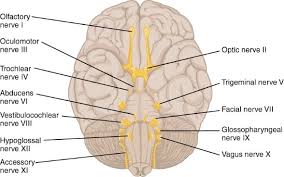
Neuroanatomy is the specialized branch of anatomy and neuroscience dedicated to the study of the structure and organization of the nervous system. In 2025, it remains the foundational language for clinicians and researchers, providing a precise map of the biological hardware that supports human cognition, emotion, and survival. While the human brain is often the primary focus, neuroanatomy also encompasses the spinal cord and the vast network of nerves that permeate the body, as well as the microscopic interactions of billions of individual cells.
The Structural Blueprint: CNS and PNS
The vertebrate nervous system is architecturally divided into two primary systems that maintain constant, high-speed communication.
- Central Nervous System (CNS): Comprising the brain and spinal cord, the CNS is the integrative command center of the body. It is protected by the bones of the skull and vertebral column and encased in three protective membranes known as the meninges: the tough outer dura mater, the web-like arachnoid mater, and the delicate pia mater.
- Peripheral Nervous System (PNS): This includes all neural tissue outside the CNS, specifically the 12 pairs of cranial nerves and 31 pairs of spinal nerves. Its role is to act as a two-way communication relay, carrying sensory data inward toward the CNS (afferent) and motor instructions outward toward muscles and glands (efferent).
Regional Neuroanatomy: Major Brain Divisions
The brain is typically organized into several key functional and structural regions:
- Cerebrum: The largest part of the brain, characterized by its wrinkled surface of gyri (ridges) and sulci (grooves). It is divided into two hemispheres and four main lobes:
- Frontal Lobe: Governs executive functions, decision-making, and voluntary movement.
- Parietal Lobe: Processes somatic sensations like touch and pain, and handles spatial awareness.
- Temporal Lobe: Primarily involved in auditory processing and memory formation (housing the hippocampus).
- Occipital Lobe: The dedicated center for visual information processing.
- Cerebellum (“Little Brain”): Tucked beneath the cerebrum, it is essential for motor coordination, balance, and maintaining posture.
- Brainstem: Often called the “survival center,” it includes the midbrain, pons, and medulla oblongata. It regulates autonomic life-support functions such as heart rate, breathing, and blood pressure.
- Diencephalon: A deep central core consisting of the thalamus (a sensory relay station) and the hypothalamus (which coordinates the endocrine system and maintains homeostasis).
Cellular and Microscopic Organization
At the tissue level, neuroanatomy distinguishes between Gray Matter (consisting of cell bodies and dendrites where processing occurs) and White Matter (composed of myelinated axons that act as high-speed cables between regions). The system is built from two primary cell types:
- Neurons: The information-processing units that transmit signals via electrical impulses and chemical neurotransmitters across synapses.
- Glial Cells: The supporting cast, providing structural support, insulation (myelin), and immune defense. Examples include astrocytes, oligodendrocytes, and microglia.
Clinical Relevance and Modern Methods
Understanding neuroanatomy is the sine qua non (essential condition) for diagnosing neurological diseases. By tracking where a function is impaired—such as a specific loss of motor control on the left side—clinicians can use their knowledge of neural pathways to localize exactly where a lesion or stroke has occurred in the brain.
In 2025, neuroanatomists utilize advanced imaging like Diffusion Tensor Imaging (DTI) to map “the connectome”—the intricate web of white matter connections that allow different brain regions to work as a unified network. Interactive 3D modeling and virtual reality (VR) are also becoming standard tools in medical education to help students navigate the complex spatial relationships of the human brain.
The field of neuroanatomy is a vast and deeply detailed journey into the very mechanisms that allow us to think, feel, and exist. Whether you are curious about how specific nerves control facial expressions or how deep brain structures like the basal ganglia regulate movement, this discipline provides the essential map for exploring the human mind. Please feel free to ask more specific questions about any region, cell type, or pathway within this intricate system.
General Pathology-1 Paramedical 4 Years Course
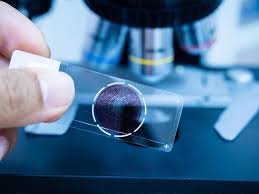
General pathology is a foundational pillar of medical science that serves as the bridge between basic sciences, such as anatomy and physiology, and clinical medicine. Derived from the Greek words pathos (suffering) and logos (study), it is dedicated to understanding the core mechanisms of disease—why they occur, how they progress, and how they manifest at the cellular and tissue levels. Unlike systemic pathology, which focuses on diseases of specific organ systems (like the heart or lungs), general pathology investigates the universal reactions of cells and tissues to abnormal stimuli that underlie all illnesses.
The Core Pillars of General Pathology
To systematically analyze a disease, general pathology examines four fundamental aspects:
- Etiology: The study of the causes of disease, which may be genetic, environmental, or idiopathic (of unknown cause).
- Pathogenesis: The sequence of events and mechanisms by which a disease develops, from the initial stimulus to the ultimate expression of the disease.
- Morphologic Changes: The structural alterations in cells, tissues, and organs that are characteristic of the disease and can be seen macroscopically (gross pathology) or microscopically.
- Clinical Significance: The functional consequences of these changes, which lead to the clinical signs and symptoms observed in patients.
Key Areas of Study
General pathology encompasses several broad topics that describe the body’s fundamental responses to injury:
- Cell Injury and Adaptation: Cells respond to stress by adapting through processes like hypertrophy (increase in cell size), hyperplasia (increase in cell number), atrophy (shrinkage), or metaplasia (change in cell type). If stress exceeds their capacity to adapt, cells undergo reversible or irreversible injury, eventually leading to cell death via necrosis or apoptosis.
- Inflammation and Repair: This is the body’s protective response to eliminate the cause of cell injury and clear out dead cells. Acute inflammation is characterized by redness, heat, swelling, and pain, while chronic inflammation and subsequent healing (regeneration or scarring) occur if the stimulus persists.
- Hemodynamic Disorders: This area studies disturbances in blood flow and fluid balance, including edema, congestion, thrombosis (inappropriate clotting), embolism, and shock.
- Neoplasia: The study of tumors, including the genetic and cellular mechanisms that cause abnormal, uncontrolled cell growth (benign or malignant).
- Immunopathology: Investigating diseases of the immune system, such as hypersensitivity reactions and autoimmune disorders like lupus or rheumatoid arthritis.
The Role of the General Pathologist
A general pathologist is often described as a “doctor’s doctor” because they provide critical diagnostic information that guides treatment decisions for other specialists. They are typically trained across both anatomical pathology (examining tissue samples and performing autopsies) and clinical pathology (analyzing blood and body fluids). Their work involves using a variety of tools, from the traditional light microscope to advanced molecular techniques like PCR and DNA sequencing, to identify the precise nature of a patient’s illness.
In summary, general pathology provides the essential vocabulary and scientific framework for all of medicine. By studying how cells suffer and respond to injury, it allows healthcare professionals to not only diagnose existing conditions but also to predict disease progression and develop new therapeutic interventions. Whether it is identifying a cancerous growth through a biopsy or determining the cause of death in a forensic autopsy, general pathology remains at the heart of modern clinical practice.