 MATCDHAKA – Medical Assistant Training Centre in Dhaka Pharmacy, Veterinary, Dental, Nursing, Pathology, Physiotherapy and Homeopathy Training Institute in Dhaka



Paramedical Veterinary 1 Year
HRTD Medical Institute Mobile-01797522136. Paramedical Veterinary 1 Year is a Veterinary Paramedical Course. This 1 Year Para Vet Course contains 10 Subjects. Total Exam Marks 1000. After completing this Para Vet Course 1 Year students can take a job in an Animal Farm or Animal Hospital in Bangladesh or abroad. They can provide veterinary assistant services.
Location for Paramedical Veterinary 1 Year
HRTD Medical Institute, Abdul Ali Madbor Mansion, Section-6, Block-Kha, Road-1, Plot-11, Metro Rail Piller No. 249, Falpotty Mosjid Goli, Mirpur-10 Golchattar, Dhaka-1216. Mobile Phone Number 01797522136, 01987073965.
Hostel Facilities in HRTD Medical Institute for Paramedical Veterinary 1 Year
Hostal & Meal Facilities
The Institute has hostel facilities for the students. Students can take a bed in the hostel.
Hostel Fee Tk 3000/- Per Month
Meal Charges Tk 3000/- Per Month. ( Approximately )
হোস্টাল ও খাবার সুবিধা
ইনস্টিটিউটে শিক্ষার্থীদের জন্য হোস্টেল সুবিধা রয়েছে। ছাত্ররা হোস্টেলে বিছানা নিতে পারে।
হোস্টেল ফি 3000/- টাকা প্রতি মাসে,
খাবারের চার্জ 3000/- টাকা প্রতি মাসে।(প্রায়)
Class System for Paramedical Veterinary 1 Year
Class System for Paramedical Veterinary 1 Year : Weekly Class 3 hours. For Job holders 3 hours in a day. The option days are Friday Morning Shift from 9:00 AM to 12:00 PM, Friday Evening Shift from 3:00 PM to 6:00 PM, Monday Morning Shift from 9:00 AM to 12:00 PM, Monday Evening Shift from 3:00 PM to 6:00 PM. Saturday Morning Shift from 10am to 1 Pm, Evening Shift from 3 pm to 6 pm.
For Regular Students Saturday 1 hour, Monday 1 hour, and Friday 1 hour. Morning Shift From 9:00 AM to 12:00 PM, and Evening Shift From 3:00 PM to 6:00 PM.
Total Cost of Paramedical Veterinary 1 Year
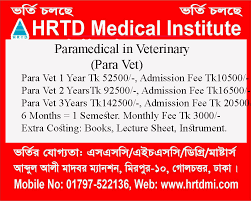
Paramedical Veterinary 1 Year 52500 tk
Admission fee -10500 tk
Monthly fee -(12×3000) 36000 tk
Exam fee-(2×3000) 6000tk,
Subjects for Paramedical Veterinary 1 Year
- Veterinary Anatomy and Physiology
- Veterinary Pharmacology
- Veterinary Microbiology and Antimicrobial Drugs
- Veterinary First Aid
- Veterinary OTC Drugs
- Veterinary Hematology and Pathology
- Veterinary Infectious Disease
- Study of Veterinary Orthopedics
- Study of Veterinary Gastroenterology
- Study of Veterinary Cardiology
Practical Classes for Paramedical Veterinary 1 Year
Practical veterinary classes provide hands-on training essential for transitioning from theoretical knowledge to clinical application. These classes typically cover clinical investigation, surgical techniques, and diagnostic procedures across various animal species.
Core Practical Subjects
Most veterinary curricula include specific practical modules tailored to different stages of training:
- Clinical Medicine: Training in animal restraint, physical examination techniques, drug administration, and clinical record keeping.
- Surgery & Anesthesia: Hands-on practice in soft tissue surgery, orthopedics, wound management, and anesthetic monitoring.
- Diagnostic Skills: Practical use of ultrasound (e.g., thoracic or abdominal), radiography, and laboratory techniques like cytology and hematology.
- Specialized Species Care: Field trips and practicals involving poultry vaccination, farm animal health management, and clinical management of zoo and companion animals.
Heartbeat and Heart Rate, Tachycardia and Bradycardia, Blood Pressure, Systolic Blood Pressure, Diastolic Blood Pressure, Pulse Pressure, Mean Blood Pressure, Cleaning, Dressing, Bandaging, Stitching, Nebulizer, Artificial Insemination ( AI), Normal Delivery, Poultry Vaccination,
Veterinary Anatomy and Physiology Paramedical Veterinary 1 Year
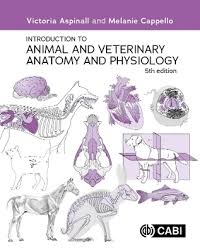
Veterinary anatomy and physiology is the essential scientific study of the structures (anatomy) and functions (physiology) of animal bodies. This field is fundamental to veterinary medicine, research, and animal care, as it provides the basis for understanding animal health, diagnosing diseases, and developing effective treatments.
পশুচিকিৎসা শারীরস্থান এবং শারীরবিদ্যা হল প্রাণীদেহের গঠন (শারীরস্থান) এবং কার্যকারিতা (শারীরবিদ্যা) এর অপরিহার্য বৈজ্ঞানিক অধ্যয়ন। এই ক্ষেত্রটি পশুচিকিৎসা, গবেষণা এবং পশু যত্নের জন্য মৌলিক, কারণ এটি পশু স্বাস্থ্য বোঝার, রোগ নির্ণয় করার এবং কার্যকর চিকিৎসা বিকাশের ভিত্তি প্রদান করে।
Key Concepts
- Anatomy is the study of the physical structures of animals, from the cellular level (cytology and histology) to the whole organism (gross anatomy). This includes the form, location, and composition of body parts.
- অ্যানাটমি হলো প্রাণীদের শারীরিক গঠনের অধ্যয়ন, কোষীয় স্তর (সাইটোলজি এবং হিস্টোলজি) থেকে শুরু করে সমগ্র জীব (গ্রস অ্যানাটমি) পর্যন্ত। এর মধ্যে রয়েছে শরীরের অঙ্গ-প্রত্যঙ্গের গঠন, অবস্থান এবং গঠন।
- Physiology is the study of how those structures work, examining the physical and chemical processes that maintain life and how different systems interact to sustain a stable internal environment (homeostasis).
- দেহতত্ত্ব হলো সেই কাঠামোগুলি কীভাবে কাজ করে তার অধ্যয়ন, জীবন বজায় রাখার জন্য ভৌত ও রাসায়নিক প্রক্রিয়াগুলি পরীক্ষা করা এবং একটি স্থিতিশীল অভ্যন্তরীণ পরিবেশ (হোমিওস্ট্যাসিস) বজায় রাখার জন্য বিভিন্ন সিস্টেম কীভাবে মিথস্ক্রিয়া করে তা পরীক্ষা করা।
- Comparative Approach: A key aspect is the comparison across species, as significant differences exist between the anatomy and physiology of a bird, a dog, a cow, or an aquatic animal. This allows veterinarians to tailor their approach to specific species.
- তুলনামূলক পদ্ধতি: একটি গুরুত্বপূর্ণ দিক হল বিভিন্ন প্রজাতির মধ্যে তুলনা করা, কারণ পাখি, কুকুর, গরু বা জলজ প্রাণীর শারীরস্থান এবং শারীরবৃত্তের মধ্যে উল্লেখযোগ্য পার্থক্য রয়েছে। এটি পশুচিকিত্সকদের নির্দিষ্ট প্রজাতির সাথে তাদের পদ্ধতিটি খাপ খাইয়ে নিতে সাহায্য করে।
Major Body Systems Studied
Veterinary anatomy and physiology courses cover the structures and functions of all major body systems:
- Integumentary System: Skin, hair, and related structures.
- Musculoskeletal System: Bones, muscles, joints, and associated tissues that provide support and movement.
- Cardiovascular System: Heart, blood vessels, and blood, responsible for circulation and transport of oxygen and nutrients.
- Respiratory System: Organs for gas exchange, such as lungs, gills (in aquatic species), and associated airways.
- Digestive System: Organs for breaking down food and absorbing nutrients, which varies greatly depending on the animal’s diet (e.g., ruminants vs. carnivores).
- Nervous System: Brain, spinal cord, and peripheral nerves, which control and coordinate bodily functions and responses to the environment.
- Endocrine System: Glands and hormones that regulate metabolism, growth, and reproduction.
- Urinary/Renal System: Kidneys, bladder, and associated structures for waste removal and regulating water/electrolyte balance.
- Reproductive System: Organs involved in producing offspring.
Pharmacology for Paramedical Veterinary 1 Year
Paramedical Veterinary 1 Year Veterinary pharmacology is the science of drugs for animals, studying how medications are absorbed, used, broken down, and removed, focusing on safe and effective treatment for diverse species (pets, livestock, wildlife) by understanding species-specific responses, dosages, drug interactions, and toxicology to manage diseases, alter physiology, and ensure animal health and public safety (zoonotic risks). It covers pharmacokinetics (what the body does to the drug) and pharmacodynamics (what the drug does to the body) across many animal types, requiring comparative approaches due to genetic variations.
ভেটেরিনারি ফার্মাকোলজি হল পশুদের জন্য ওষুধের বিজ্ঞান, যেখানে ওষুধ কীভাবে শোষণ করা হয়, ব্যবহার করা হয়, ভেঙে ফেলা হয় এবং অপসারণ করা হয় তা অধ্যয়ন করা হয়। বিভিন্ন প্রজাতির (পোষা প্রাণী, গবাদি পশু, বন্যপ্রাণী) নিরাপদ এবং কার্যকর চিকিৎসার উপর দৃষ্টি নিবদ্ধ করে প্রজাতি-নির্দিষ্ট প্রতিক্রিয়া, ডোজ, ওষুধের মিথস্ক্রিয়া এবং রোগ পরিচালনা, শারীরবৃত্তীয় পরিবর্তন এবং পশুর স্বাস্থ্য ও জননিরাপত্তা (জুনোটিক ঝুঁকি) নিশ্চিত করার জন্য বিষবিদ্যা বোঝার মাধ্যমে। এটি বিভিন্ন ধরণের প্রাণীর ফার্মাকোকাইনেটিক্স (শরীর ওষুধের সাথে কী করে) এবং ফার্মাকোডাইনামিক্স (ওষুধ শরীরে কী করে) কভার করে, জিনগত পরিবর্তনের কারণে তুলনামূলক পদ্ধতির প্রয়োজন হয়।
Key Areas & Concepts
- Pharmacokinetics (PK): ADME – Absorption, Distribution, Metabolism, Excretion of drugs in animals.
- Pharmacodynamics (PD): Drug actions, effects, and mechanisms in different species.
- Comparative Pharmacology: How drug responses differ across species (dogs, cats, horses, cattle, fish, etc.).
- Pharmacogenetics/Pharmacogenomics: Individual genetic differences affecting drug response (e.g., MDR1 gene in dogs).
- Toxicology: Study of adverse effects, poisons, and contaminants in animals.
- Pharmacotherapeutics: Rational application of drugs for diagnosis, treatment, prevention, or anesthesia.
Microbiology and Antimicrobial Drugs for Paramedical Veterinary 1 Year
Paramedical Veterinary 1 Year Veterinary microbiology is a specialized field studying bacteria, viruses, fungi, and other microbes affecting animal health, crucial for diagnosing, preventing (vaccines), and treating infectious diseases in livestock, pets, and wildlife, linking animal, food, and human health (One Health) by managing pathogens, understanding host responses, and ensuring food safety.
ভেটেরিনারি মাইক্রোবায়োলজি হল একটি বিশেষ ক্ষেত্র যা ব্যাকটেরিয়া, ভাইরাস, ছত্রাক এবং প্রাণীর স্বাস্থ্যকে প্রভাবিত করে এমন অন্যান্য জীবাণু অধ্যয়ন করে, যা গবাদি পশু, পোষা প্রাণী এবং বন্যপ্রাণীতে সংক্রামক রোগ নির্ণয়, প্রতিরোধ (টিকা) এবং চিকিৎসার জন্য গুরুত্বপূর্ণ, রোগজীবাণু পরিচালনা, হোস্ট প্রতিক্রিয়া বোঝা এবং খাদ্য নিরাপত্তা নিশ্চিত করে প্রাণী, খাদ্য এবং মানব স্বাস্থ্যের (ওয়ান হেলথ) সংযোগ স্থাপন করে।
Key Areas of Focus
- Pathogen Identification: Isolating and characterizing disease-causing microbes (bacteria, viruses, fungi, parasites) in animals.
- Disease Mechanisms: Understanding how these pathogens cause illness at cellular and molecular levels.
- Host-Microbe Interactions: Studying beneficial (symbiotic) microbes and the host’s immune response to infections.
- Diagnostics: Developing laboratory tests (like acid-fast stains) for accurate diagnosis.
- Prevention & Control: Creating vaccines, antimicrobials, and implementing strategies to control outbreaks.
Importance
- Animal Health: Safeguarding pets, livestock (food animals), and wildlife.
- Food Safety: Preventing zoonotic diseases (those spread from animals to humans) and ensuring safe food products.
- Public Health: Protecting human health through veterinary surveillance of emerging pathogens (e.g., COVID-19, avian flu).
Applications
- Clinical Practice: Veterinarians use microbiology for diagnosing infections, from common skin issues to systemic diseases.
- Research: Developing new vaccines, antibiotics, and understanding antimicrobial resistance.
- Public Health Agencies: Monitoring diseases with zoonotic potential.
In essence, veterinary microbiology bridges animal medicine, human health, and food safety through the study of microscopic organisms.
Veterinary antimicrobial drugs are medicines used to treat, control, and prevent bacterial infections in animals. Key examples include penicillins, cephalosporins, tetracyclines, and fluoroquinolones. Their use is a critical part of animal health and welfare, but is carefully regulated globally due to concerns about antimicrobial resistance (AMR) in both animals and humans.
Common Classes and Examples
Veterinary antimicrobial drugs are classified based on their chemical structure, mechanism of action, and importance to human medicine.
| Class | Examples in Veterinary Medicine | Mechanism of Action |
|---|---|---|
| Beta-lactams | Penicillin, Amoxicillin, Cephalexin, Ceftiofur | Inhibit cell wall synthesis |
| Tetracyclines | Oxytetracycline, Doxycycline, Chlortetracycline | Inhibit protein synthesis (30S ribosomal subunit) |
| Fluoroquinolones | Enrofloxacin, Danofloxacin, Ciprofloxacin | Inhibit DNA synthesis and replication |
| Macrolides | Tylosin, Erythromycin, Tilmicosin | Inhibit protein synthesis (50S ribosomal subunit) |
| Aminoglycosides | Gentamicin, Streptomycin, Neomycin | Inhibit protein synthesis (both ribosomal subunits) |
| Sulfonamides | Sulfamethazine, Trimethoprim/sulfamethoxazole | Inhibit folic acid synthesis |
First Aid for Paramedical Veterinary 1 Year
Veterinary first aid involves staying calm, assessing the scene, ensuring the pet’s airway is clear, controlling bleeding, and then stabilizing for immediate transport to a vet; essential supplies include bandages, gloves, antiseptic, scissors, and a muzzle, while crucial actions cover heatstroke (cooling with water/towels), choking (clearing airway, modified Heimlich), and wounds (pressure, cleaning, bandaging without making it too tight), always remembering human meds are toxic and professional care is paramount.
পশুচিকিৎসা প্রাথমিক চিকিৎসার মধ্যে রয়েছে শান্ত থাকা, দৃশ্যটি মূল্যায়ন করা, পোষা প্রাণীর শ্বাসনালী পরিষ্কার আছে কিনা তা নিশ্চিত করা, রক্তপাত নিয়ন্ত্রণ করা এবং তারপর তাৎক্ষণিকভাবে পশুচিকিৎসকের কাছে পাঠানোর জন্য স্থিতিশীল করা; প্রয়োজনীয় সরবরাহের মধ্যে রয়েছে ব্যান্ডেজ, গ্লাভস, অ্যান্টিসেপটিক, কাঁচি এবং মুখবন্ধ, অন্যদিকে গুরুত্বপূর্ণ পদক্ষেপগুলির মধ্যে রয়েছে হিটস্ট্রোক (জল/তোয়ালে দিয়ে ঠান্ডা করা), শ্বাসরোধ (শ্বাসনালী পরিষ্কার করা, পরিবর্তিত হাইমলিচ), এবং ক্ষত (চাপ, পরিষ্কার করা, খুব বেশি শক্ত না করে ব্যান্ডেজ করা), সর্বদা মনে রাখা যে মানুষের ওষুধ বিষাক্ত এবং পেশাদার যত্ন অত্যন্ত গুরুত্বপূর্ণ।
General Principles
- Stay Calm & Assess: Your calmness helps the pet; secure the area (e.g., move from traffic) and check for dangers before approaching.
- Muzzle if Needed: A hurt animal might bite out of fear; use a muzzle or cloth strip if safe, but don’t muzzle if they are vomiting or having trouble breathing.
- Airway, Breathing, Circulation (ABCs): Check for obstructions, extend neck gently (unless trauma suspected), and provide rescue breaths if needed.
- Contact Vet: Call your vet or emergency clinic immediately to let them know you’re coming and what happened.
- Transport Safely: Use a blanket as a stretcher for large animals; a carrier for small ones.
Common Situations & Actions
- Bleeding: Apply direct, firm pressure with a clean gauze pad for 3-5 minutes; use styptic powder for nail bleeds.
- Heatstroke: Move to shade, apply cool (not icy) water/towels to neck, armpits, groin; use a fan; avoid cold baths.
- Wounds: Clean gently with saline, apply antibiotic ointment (vet-approved), cover with non-stick dressing, and prevent licking (E-collar).
- Choking: Clear mouth of debris; attempt modified Heimlich or chest thrusts if unresponsive, then give rescue breaths.
Essential Kit Items
- Wound Care: Gauze, bandages, vet wrap, antiseptic wipes, scissors, tweezers, styptic powder, antibiotic ointment.
- Protection: Disposable gloves, muzzle.
- Tools: Digital thermometer, flashlight, blanket/towel.
- Contacts: Vet, emergency clinic, poison control numbers.
OTC Drugs for Paramedical Veterinary 1 Year
Over-the-counter (OTC) veterinary drugs for pets often include certain human medications used off-label under veterinary guidance, as well as species-specific products for general care.
Crucially, always consult a veterinarian before administering any medication (even OTC ones) to a pet, as dosages and safety vary widely by species, weight, breed, and existing health conditions, and some common human medications are highly toxic to animals.
Common types of veterinary OTC products and human OTC products that may be used in pets (only with vet approval) include:
For Dogs and Cats (with Veterinary Guidance)
- Antihistamines for mild allergies:
- Diphenhydramine (Benadryl).
- Cetirizine (Zyrtec).
- Loratadine (Claritin).
- Caution: Avoid formulations containing decongestants (e.g., Benadryl-D), as these are lethal to pets.
- Gastrointestinal Aids for mild stomach upset, acid reflux, or non-infectious diarrhea:
- Famotidine (Pepcid AC), an acid reducer.
- Omeprazole (Prilosec), another strong acid reducer.
- Bismuth subsalicylate (Pepto-Bismol) can be used in dogs but must be used with extreme caution and vet consultation as it contains aspirin-like ingredients and is toxic to cats.
- Loperamide (Imodium) for certain types of diarrhea, but sensitive breeds may have adverse reactions.
- Topical Treatments for minor wounds or skin irritations:
- Hydrocortisone cream (1%) for itchy skin.
- Polysporin (without added pain relief, which is toxic to cats).
- Chlorhexidine solutions as an antiseptic flush.
- Artificial tears for dry eyes.
- Supplements such as fiber (Metamucil) or stool softeners (Miralax) for managing constipation or loose stools, provided they contain no artificial sweeteners (like xylitol).
For Livestock/Ruminants
OTC products are also available for agricultural use, such as:
- Topical Treatments: Iodine solutions, fly repellents, and udder balms.
- Antidiarrheal Products: Kaolin-pectin.
- Respiratory Aids: Menthol-based inhalants.
Medications to AVOID
Many common human OTC pain relievers are highly toxic to pets:
- Ibuprofen (Advil, Motrin) is generally unsafe for pet home use.
- Acetaminophen (Tylenol) can be used only in very specific situations for dogs under strict veterinary instruction, and is extremely toxic to cats.
- Aspirin is generally on the “do not give” list due to risks of gastrointestinal ulceration, bleeding, and kidney failure.
The primary takeaway is that while these medications are available over-the-counter for humans, their use in animals requires a consultation with a qualified veterinarian to ensure proper diagnosis, dosage, and safety for your specific pet.
Hematology for Paramedical Veterinary 1 Year
Veterinary hematology is the specialized branch of veterinary science dedicated to the study and diagnostic evaluation of blood and bone marrow in animals. It involves analyzing blood components to diagnose diseases, monitor patient health, and formulate treatment plans for a wide range of species.
ভেটেরিনারি হেমাটোলজি হল ভেটেরিনারি বিজ্ঞানের একটি বিশেষ শাখা যা প্রাণীদের রক্ত এবং অস্থি মজ্জার অধ্যয়ন এবং রোগ নির্ণয় মূল্যায়নের জন্য নিবেদিত। এতে রোগ নির্ণয়, রোগীর স্বাস্থ্য পর্যবেক্ষণ এবং বিভিন্ন প্রজাতির জন্য চিকিৎসা পরিকল্পনা প্রণয়নের জন্য রক্তের উপাদান বিশ্লেষণ করা জড়িত।

Key Components and Procedures
A central tool in veterinary hematology is the Complete Blood Count (CBC), which provides critical information about the cellular elements of blood: red blood cells (RBCs), white blood cells (WBCs), and platelets.
- Red Blood Cells (Erythrocytes): These cells are responsible for oxygen transport. Measurements include packed cell volume (PCV), hemoglobin concentration, and RBC count. Abnormalities can indicate conditions like anemia or erythrocytosis.
- White Blood Cells (Leukocytes): These are the primary components of the immune system. A differential count assesses the numbers of various types, including neutrophils, lymphocytes, monocytes, eosinophils, and basophils, to identify inflammation, infection, or immune-mediated diseases.
- Platelets (Thrombocytes): These are essential for hemostasis (blood clotting). Abnormal counts can indicate bleeding disorders or autoimmune conditions.
Other important procedures include:
- Blood Smear Examination: A manual assessment of blood cell morphology to confirm automated results and detect abnormalities, parasites, or atypical cells.
- Bone Marrow Biopsy and Examination: Used for diagnosing more complex blood disorders, such as leukemia or aplastic anemia, by evaluating the site of blood cell production.
- Coagulation Tests: Specific tests like prothrombin time (PT) and activated partial thromboplastin time (aPTT) evaluate the blood’s ability to clot, which is crucial for managing bleeding patients.
Species Differences
A unique aspect of veterinary hematology is the significant variation among species. For instance, while mammalian red blood cells are anucleated, those of birds, reptiles, and amphibians are nucleated, making their assessment more complex. Hematology analyzers must be specifically calibrated for different animal species to ensure accurate results.
Veterinary pathology is the study of animal disease, focusing on diagnosing illnesses, understanding their causes (etiology), and how they develop (pathogenesis) across various species, serving as a crucial link between animal and human health (One Health) through microscopic tissue/fluid analysis, research, and public health surveillance. Veterinary pathologists work in diagnostic labs, academia, and industry, specializing in areas like anatomic pathology (tissues) or clinical pathology (blood/urine), and play vital roles in supporting veterinarians, drug development, and tracking zoonotic diseases.
Key Aspects
- Diagnosis: Identifying disease in pets, livestock, zoo, and wildlife animals via biopsies (living animals) and necropsies (deceased animals).
- Microscopic Examination: Using microscopes to analyze cells and tissues (anatomic pathology) or blood/urine (clinical pathology).
- Research: Investigating disease mechanisms, developing new treatments, and contributing to comparative medicine.
- Public Health: Monitoring infectious diseases that can spread from animals to humans (zoonoses).
- Specializations: Pathologists can specialize in specific species (equine, avian, fish) or disease types (parasitology, toxicology).
How it Works
- Sample Collection: A general vet takes samples (biopsy, blood) or performs a necropsy.
- Laboratory Analysis: A pathologist examines samples using stains, microscopes, and lab tests.
- Reporting: The pathologist writes a detailed report for the referring vet, explaining the diagnosis and implications.
- Impact: This informs treatment, helps control outbreaks, and advances veterinary and human medicine.
Animal Infectious Disease for Paramedical Veterinary 1 Year
Animal infectious diseases are illnesses in animals, from livestock to pets, caused by pathogens (viruses, bacteria, fungi, parasites) that can spread rapidly, impacting animal health, economies, and sometimes humans (zoonoses). Key examples include highly contagious Foot-and-Mouth Disease (FMD), Avian Influenza, African Swine Fever (ASF), and rabies, with spread often worsened by globalization and climate change. Diagnosis involves checking for signs like fever, ulcers, or discharge, and prevention often uses vaccination, biosecurity, and hygiene.
পশুর সংক্রামক রোগ হল পশুপাল থেকে শুরু করে পোষা প্রাণী পর্যন্ত প্রাণীদের মধ্যে ঘটে যাওয়া রোগ, যা রোগজীবাণু (ভাইরাস, ব্যাকটেরিয়া, ছত্রাক, পরজীবী) দ্বারা সৃষ্ট, যা দ্রুত ছড়িয়ে পড়তে পারে, যা পশুর স্বাস্থ্য, অর্থনীতি এবং কখনও কখনও মানুষের উপর প্রভাব ফেলে (জুনোসিস)। মূল উদাহরণগুলির মধ্যে রয়েছে অত্যন্ত সংক্রামক পা-ও-মুখ রোগ (FMD), এভিয়ান ইনফ্লুয়েঞ্জা, আফ্রিকান সোয়াইন ফিভার (ASF) এবং জলাতঙ্ক, যা বিশ্বায়ন এবং জলবায়ু পরিবর্তনের কারণে প্রায়শই আরও খারাপ হয়। রোগ নির্ণয়ের মধ্যে জ্বর, আলসার বা স্রাবের মতো লক্ষণগুলি পরীক্ষা করা জড়িত এবং প্রতিরোধ প্রায়শই টিকা, জৈব নিরাপত্তা এবং স্বাস্থ্যবিধি ব্যবহার করে।
Common Types & Examples
- Viral: Avian Influenza, Rabies, Foot-and-Mouth Disease (FMD), African Swine Fever (ASF).
- Bacterial: Anthrax, Salmonella, Brucellosis, Strangles (horses).
- Fungal: Blastomycosis (zoonotic), Chalkbrood (bees).
- Parasitic: Coccidiosis, Worm parasites.
Zoonotic Diseases (Animal to Human)
- Rabies: Fatal viral disease spread by bites, affecting the nervous system.
- Salmonella: From contaminated food like eggs/meat.
- Psittacosis (Parrot Fever): From birds.
Key Factors in Spread & Control
- Pathogens: Viruses, bacteria, fungi, parasites.
- Environment: Climate change alters pathogen distribution.
- Globalization: Increases disease transmission potential.
- Prevention: Vaccination, strict biosecurity, hygiene.
How They’re Identified (Signs)
- Fever, lethargy.
- Discharge from eyes/nose (pus, blood).
- Blisters or ulcers (mouth, feet in FMD).
- Changes in behavior (restlessness, aggression in rabies).
Economic & Health Impact
- Devastating to livestock industries (e.g., ASF, FMD).
- Threat to food security.
- Potential public health crises (e.g., Avian Flu).
Poultry Infectious Disease for Paramedical Veterinary 1 Year
Poultry infectious diseases are illnesses in birds caused by viruses, bacteria, parasites, or fungi, leading to significant economic losses, with common examples including Newcastle Disease (ND), Infectious Bursal Disease (IBD), Salmonellosis, Avian Influenza, Coccidiosis, Mycoplasmosis, Marek’s Disease, Fowl Cholera, and Aspergillosis, affecting respiratory, digestive, and immune systems. Prevention focuses on strict biosecurity, vaccination, hygiene, and separating domestic birds from wild ones, as these pathogens can spread rapidly and impact flocks.
পোল্ট্রি সংক্রামক রোগ হল ভাইরাস, ব্যাকটেরিয়া, পরজীবী বা ছত্রাক দ্বারা সৃষ্ট পাখির রোগ যা উল্লেখযোগ্য অর্থনৈতিক ক্ষতির কারণ হয়, যার সাধারণ উদাহরণ হল নিউক্যাসল ডিজিজ (এনডি), সংক্রামক বার্সাল ডিজিজ (আইবিডি), সালমোনেলোসিস, এভিয়ান ইনফ্লুয়েঞ্জা, কোকিডোসিস, মাইকোপ্লাজমোসিস, মারেক্স ডিজিজ, ফাউল কলেরা এবং অ্যাসপারগিলোসিস, যা শ্বাসযন্ত্র, পাচনতন্ত্র এবং রোগ প্রতিরোধ ব্যবস্থাকে প্রভাবিত করে। প্রতিরোধ কঠোর জৈব নিরাপত্তা, টিকাকরণ, স্বাস্থ্যবিধি এবং বন্য পাখি থেকে গৃহপালিত পাখি আলাদা করার উপর দৃষ্টি নিবদ্ধ করে, কারণ এই রোগজীবাণুগুলি দ্রুত ছড়িয়ে পড়তে পারে এবং পালকে প্রভাবিত করতে পারে।
Common Infectious Diseases by Type:
- Viral:
- Newcastle Disease (ND): Highly contagious respiratory and neurological disease.
- Avian Influenza (Bird Flu): Can be low or highly pathogenic (HPAI), posing public health risks.
- Infectious Bursal Disease (IBD/Gumboro): Affects the immune system, especially in young birds.
- Marek’s Disease: Causes tumors and paralysis.
- Fowl Pox: Causes lesions on skin and mucous membranes.
- Bacterial:
- Salmonellosis: Causes systemic infection and food safety concerns.
- Fowl Cholera (Pasteurellosis): High mortality respiratory and systemic disease.
- Colibacillosis (E. coli): Common secondary infection causing various issues.
- Mycoplasmosis: Respiratory infections like CRD (Chronic Respiratory Disease).
- Parasitic:
- Coccidiosis: Intestinal damage from protozoan parasites.
- Worms & Lice: Internal and external parasites impacting digestion and causing irritation.
- Fungal:
- Aspergillosis: Respiratory infection from mold, often in contaminated litter.
Key Prevention & Control Measures:
- Biosecurity: Prevent contact with wild birds and rodents; use foot baths.
- Vaccination: Essential for viral diseases like ND, IBD, and Fowl Pox.
- Hygiene: Keep housing, feeders, and waterers clean.
- Quarantine: Isolate new birds before introducing them to the flock.
- Nutrition & Environment: Good feed, water, and stress reduction.
- Reporting: Report suspected outbreaks (like Avian Flu) to authorities.
Understanding and managing these diseases through proper biosecurity and veterinary care is crucial for healthy poultry and preventing economic losses.
Study of Veterinary Orthopedics for Paramedical Veterinary 1 Year
Veterinary orthopedics is the specialized study of diagnosing, treating, and preventing musculoskeletal disorders in animals, encompassing bones, joints, ligaments, tendons, and muscles. ScienceDirect.com +1
Core Study Areas
The curriculum for veterinary orthopedics typically includes:
- Musculoskeletal Anatomy & Biomechanics: Understanding the structural framework and mechanical stresses affecting the animal skeletal system.
- Traumatology: The study of bone fractures, their classification, and the biological processes of bone healing.
- Joint Pathologies: Focus on common conditions like cranial cruciate ligament rupture, hip/elbow dysplasia, and patellar luxation.
- Degenerative Diseases: Management of long-term conditions such as Osteoarthritis (OA) and its impact on cartilage health.
Diagnostic & Surgical Techniques
- Advanced Imaging: Training in the use of Digital Radiography, Computed Tomography (CT), and MRI to visualize bone and soft tissue structures.
- Minimally Invasive Procedures: Mastering techniques like Arthroscopy for direct joint visualization and treatment.
- Surgical Fixation: Specialized training in osteosynthesis using plates, screws, intramedullary nails, and external fixation.
Specialization & Certification
Becoming a specialist often requires:
- Residency Programs: Intensive training following a veterinary degree, often through the American College of Veterinary Surgeons (ACVS) or European equivalents.
Study of Veterinary Gastrology for Paramedical Veterinary 1 Year
The field covers the biology, pathobiology, and management of disorders across several key organ systems: ScienceDirect.com +4
1. Scope of the Discipline
- Gastrointestinal Tract: Conditions such as Inflammatory Bowel Disease (IBD), motility disorders, foreign body ingestion, and neoplasia.
- Hepatobiliary System: Liver diseases (hepatopathies), gallbladder mucoceles, and bile duct obstructions.
2. Diagnostic Modalities
- Endoscopy: Essential for visualizing mucosal surfaces and obtaining minimally invasive biopsies for histological diagnosis.
- Advanced Imaging: Use of abdominal ultrasound, Point of Care Ultrasound (POCUS), and radiographs to identify structural abnormalities.
3. Current Research Frontiers
- Dysbiosis: Investigating how imbalances in gut bacteria contribute to chronic enteropathies and the efficacy of probiotics or fecal microbiota transplants (FMT).
- Translational Medicine: Using animal models to understand human diseases like type 2 diabetes and inflammatory bowel disease.
4. Educational and Professional Paths
To specialize in this field, veterinarians typically follow a rigorous post-graduate path:
- Specialization: Completing a three-year residency in Small Animal Internal Medicine after veterinary school to become board-certified.
- Continuing Education: Specialized courses such as those offered by the European School for Advanced Veterinary Studies (ESAVS) or online certificates provide advanced training for practitioners.
The study of Veterinary Cardiology for Paramedical Veterinary 1 Year
The study of Veterinary Cardiology is a specialized branch of veterinary medicine focused on the diagnosis, management, and treatment of diseases affecting the heart and circulatory system in animals. ScienceDirect.com +1
- Congenital Defects: Conditions like pulmonary valve stenosis or patent ductus arteriosus (PDA).
- Acquired Diseases: Common issues include Myxomatous Mitral Valve Disease (MMVD) in dogs and hypertrophic cardiomyopathy in cats.
- Arrhythmias: Irregular heart rhythms that may require medical management or pacemaker implantation.
2. Diagnostic Techniques
Specialists utilize advanced tools to assess cardiac health: ScienceDirect.com +1
- Echocardiography: Ultrasound of the heart, often considered the “gold standard” for non-invasive diagnosis.
- Electrocardiography (ECG): Recording electrical activity to identify arrhythmias.
- Thoracic Radiography: X-rays to visualize heart size and fluid in the lungs.
- Cardiac Biomarkers: Blood tests (like NT-proBNP) that indicate heart muscle stretch or damage.
- Advanced Imaging: Cardiac MRI (cMRI) and CT scans are increasingly used for complex cases.
3. Professional Education & Certification
- Veterinary Degree: Completion of a Doctor of Veterinary Medicine (DVM) or equivalent.
- Internship: Usually a one-year rotating internship in small or large animal medicine.
- Residency: A 3- to 5-year intensive training program accredited by the American College of Veterinary Internal Medicine (ACVIM) or the European College of Veterinary Internal Medicine (ECVIM).
4. Ongoing Research & Journals
The field evolves through peer-reviewed research published in specialized outlets like the Journal of Veterinary Cardiology, which covers topics ranging from molecular cardiology to interventional techniques