 MATCDHAKA – Medical Assistant Training Centre in Dhaka Pharmacy, Veterinary, Dental, Nursing, Pathology, Physiotherapy and Homeopathy Training Institute in Dhaka



Veterinary DMS 1 Year Course Details
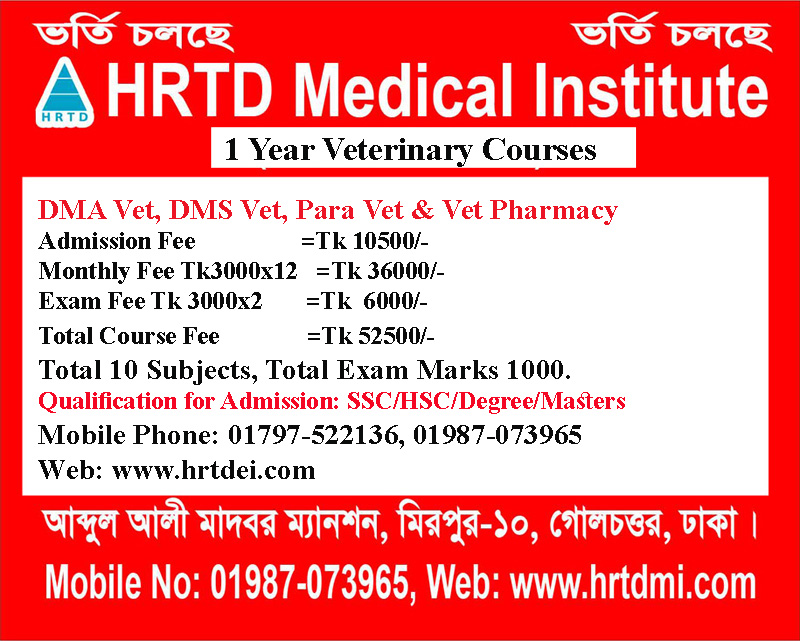
Veterinary DMS 1 Year Course. মোবাইল নাম্বার 01797522136, 01987073965. ডি এম এস ১ বছর কোর্স ফি ৫২৫০০ টাকা । ভর্তি ফি ১০৫০০ টাকা, মাসিক বেতন ৩০০০ টাকা, পরীক্ষার ফি ৩০০০ টাকা প্রতি সেমিস্টারে। মোট সাবজেক্ট ১০ টি, মোট পরীক্ষা ১০০০ নম্বরের ।
Veterinary DMS 1 Year কোর্সের ঠিকানা
এইচ আর টি ডি মেডিকেল ইনিস্টিটিউট, আব্দুল আলী মাদবর ম্যানশন, সেকশন ৬, ব্লক খ, রোড ১, প্লট ১১, মেট্রো রেল পিলার নাম্বার ২৪৯, মিরপুর ১০ গোল চত্ত্বর, ঢাকা ১২১৬ । মোবাইল নাম্বার 01797522136, 01987073965.
Veterinary DMS 1 Year Course/১ বছরের ভেটেরিনারি ডিএমএস বাংলাদেশে কোথায় আছে
বাংলাদেশে ১ বছর মেয়াদী ভেটেরিনারি DMS (Diploma in Medicine and Surgery) বা সমমানের শর্ট কোর্স বেশ কিছু বেসরকারি প্রশিক্ষণ ইনস্টিটিউটে উপলব্ধ।
১ বছর মেয়াদী এই কোর্সটি আপনি নিচের প্রতিষ্ঠানগুলো থেকে করতে পারেন:
- HRTD মেডিকেল ইনস্টিটিউট: ঢাকার মিরপুর-১০ এ অবস্থিত এই প্রতিষ্ঠানে DMS-VET (1 Year) কোর্সটি করানো হয়
- ঠিকানা: সেকশন-৬, ব্লক-খ, রোড-১, মিরপুর-১০ গোলচত্বর, ঢাকা -১২১৬
- খরচ: ১ বছরের মোট কোর্স ফি প্রায় ৫২,৫০০ টাকা
- পাইওনিয়ার ভেটেরিনারি ইনস্টিটিউট: এটি চট্টগ্রাম শহরের মুরাদপুরে অবস্থিত। এখানে ১ বছর মেয়াদী সার্টিফিকেট ইন এনিমেল হেলথ এন্ড প্রোডাকশন কোর্স করানো হয়, যা বাংলাদেশ কারিগরি শিক্ষা বোর্ড (BTEB) কর্তৃক অনুমোদিত [১.১.৪, ১.২.৩]।
- সিডিটিআইডি (CDTID): তারা ১ বছর মেয়াদী ভেটেরিনারি সহকারী/মাঠকর্মী প্রফেশনাল কোর্স অফার করে যার ফি প্রায় ১০,০০০ টাকা [১.১.৯, ১.২.১]।
- অন্যান্য কারিগরি শিক্ষা বোর্ড অনুমোদিত ইনস্টিটিউট: কারিগরি শিক্ষা বোর্ডের অধীনে অনেক ছোট-বড় ইনস্টিটিউট (যেমন: সিরাজগঞ্জের ভেটেরিনারি মেডিকেল সায়েন্স এন্ড টেকনোলজি ইনস্টিটিউট) ১ বছর মেয়াদী বিভিন্ন সার্টিফিকেট কোর্স পরিচালনা করে [১.১.১, ১.৫.৪]।
Veterinary DMS 1 Year Course কেন প্রয়োজন
১ বছরের ভ্যাটেরিনারি ডিএমএস (DMS – Diploma Medical Assistant in Veterinary) বা ডিএমএ (DMA-Vet) কোর্সটি সাধারণত পশুপালন ও প্রাথমিক চিকিৎসার উপর একটি শর্ট কোর্স। বাংলাদেশে এই ধরনের কোর্স বিভিন্ন প্রাইভেট নার্সিং/মেডিকেল টেকনোলজি ইনস্টিটিউটের মাধ্যমে পরিচালিত হয়।
১ বছরের কোর্সটির জন্য প্রয়োজনীয় তথ্যাদি (সম্ভাব্য):
- শিক্ষাগত যোগ্যতা: সাধারণত এসএসসি (SSC) বা সমমান পাস হতে হয়। কিছু ক্ষেত্রে এইচএসসি (HSC) পাসও চাওয়া হতে পারে।
- কোর্সের ধরণ: এটি ১ বছর মেয়াদী এবং সাধারণত ২ সেমিস্টারে বিভক্ত।
- ভর্তি যোগ্যতা: জীববিজ্ঞান (Biology) থাকলে সুবিধা হয়, তবে সাধারণ যে কোন বিভাগ থেকে পাস করা শিক্ষার্থীরা বেশি উপযোগী।
- কোর্স ফি: ১ বছরের কোর্সের মোট ফি প্রায় ৫২,৫০০ টাকা (ভর্তি ফি ১০,৫০০ + মাসিক বেতন ৩০০০ + পরীক্ষার ফি ৩০০০ টাকা প্রতি সেমিস্টার)।
- কোর্সের বিষয়বস্তু: পশু পালন, পশুর সাধারণ রোগ, চিকিৎসা, টিকা (Vaccination), এবং প্রাথমিক স্বাস্থ্যসেবা সম্পর্কিত ১০টি বিষয়।
- প্রয়োজনীয় কাগজপত্র:
- SSC/HSC পাশের নম্বরপত্র (Marksheet) ও সার্টিফিকেট।
- পাসপোর্ট সাইজের ছবি।
- জাতীয় পরিচয়পত্র বা জন্ম নিবন্ধন সনদ।
- যোগাযোগ: এই কোর্সটি করার জন্য স্থানীয় বা পরিচিত মেডিকেল টেকনোলজি ট্রেনিং ইনস্টিটিউটের সাথে যোগাযোগ করতে হবে, যেমন- HRTD Medical Institute (যাদের তথ্য সার্চ রেজাল্টে পাওয়া গেছে)।
বিশেষ সতর্কবার্তা: এই কোর্সগুলো মূলত পশুপালন সহকারীর (Assistant) কাজের জন্য।
Veterinary DMS 1 Year Course In Mirpur Admission Eligibility in Dhaka, Bangladesh
Veterinary DMS 1 Year Course In Mirpur Admission Eligibility. Mobile Number. 01987073965. 01941123488, 01797522136. SSC or Equivalent/HSC/ Degree/ Masters from any Background (Science/ Arts/ Commerce/ Technical).
Document for admission in Veterinary DMS 1 Year Course
Veterinary DMS 1 Year Course In Mirpur. Mobile No: 01987-073965, 01797-522136. HRTD Medical Institute.
Photocopy of Certificate, Photocopy of NID, Passport Size Photo 4 Pcs. Without NID, a Birth Certificate is allowed for an emergency case.
প্রয়োজনীয় কাগজপত্র:
- SSC/HSC পাশের নম্বরপত্র (Marksheet) ও সার্টিফিকেট ফটোকপি
- পাসপোর্ট সাইজের ছবি ৪ পিচ
- জাতীয় পরিচয়পত্র বা জন্ম নিবন্ধন সনদ এর ফটোকপি।
Hostel Facilities in HRTD Medical Institute for Veterinary DMS 1 Year Course
Hostal & Meal Facilities
The Institute has hostel facilities for the students. Students can take a bed in the hostel.
Hostel Fee Tk 3000/- Per Month
Meal Charges Tk 3000/- Per Month. ( Approximately )
হোস্টেল ও খাবার সুবিধা
ইনস্টিটিউটে শিক্ষার্থীদের জন্য হোস্টেল সুবিধা রয়েছে। ছাত্ররা হোস্টেলে বিছানা নিতে পারে।
হোস্টেল ফি 3000/- টাকা প্রতি মাসে,
খাবারের চার্জ 3000/- টাকা প্রতি মাসে।(প্রায়)
Class System for Veterinary DMS 1 Year Course
Class System for Veterinary DMS 1 Year Course In Mirpur : Weekly Class 3 hours. For Job holders 3 hours in a day. The option days are Friday Morning Shift from 9:00 AM to 12:00 PM, Friday Evening Shift from 3:00 PM to 6:00 PM, Monday Morning Shift from 9:00 AM to 12:00 PM, Monday Evening Shift from 3:00 PM to 6:00 PM.
For Regular Students Saturday 1 hour, Monday 1 hour, and Friday 1 hour. Morning Shift From 9:00 AM to 12:00 PM, and Evening Shift From 3:00 PM to 6:00 PM.
১ বছরের ভেটেরিনারি ডিএমএস কোর্সের জন্য ক্লাস সিস্টেম
মিরপুরে ভেটেরিনারি ডিএমএস ১ বছরের কোর্সের জন্য ক্লাস সিস্টেম: সাপ্তাহিক ক্লাস ৩ ঘন্টা। চাকরিজীবীদের জন্য দিনে ৩ ঘন্টা। বিকল্প দিনগুলি হল শুক্রবার সকালের শিফট সকাল ৯:০০ টা থেকে দুপুর ১২:০০ টা, শুক্রবার সন্ধ্যার শিফট বিকেল ৩:০০ টা থেকে বিকেল ৬:০০ টা, সোমবার সকালের শিফট সকাল ৯:০০ টা থেকে দুপুর ১২:০০ টা, সোমবার সন্ধ্যার শিফট বিকেল ৩:০০ টা থেকে বিকেল ৬:০০ টা।
নিয়মিত শিক্ষার্থীদের জন্য শনিবার ১ ঘন্টা, সোমবার ১ ঘন্টা এবং শুক্রবার ১ ঘন্টা। সকালের শিফট সকাল ৯:০০ টা থেকে দুপুর ১২:০০ টা এবং সন্ধ্যার শিফট বিকেল ৩:০০ টা থেকে বিকেল ৬:০০ টা পর্যন্ত।
Subjects For Veterinary DMS 1 Year Course
1.Veterinary Anatomy & Physiology
2. Veterinary Pharmacology
3. Veterinary First Aid & Vaccination
4. Practice of Veterinary Medicine
5.Veterinary Microbiology
6.Animal Infectious Disease-1
7.Biosecurity and Cattle farm
8.Zoonotic Disease
9.The vet Solusion
10.Biochemistry
Some Subjects Details for Veterinary DMS 1 Year Course
Veterinary Anatomy & Physiology For Veterinary DMS 1 Year Course
Veterinary anatomy and physiology are the twin pillars of animal health, focusing on the physical structures of animals and the biological processes that keep them alive. Understanding these subjects is essential for diagnosing diseases, performing surgeries, and providing clinical care across species, from common pets like dogs and cats to livestock and exotic wildlife.
পশু স্বাস্থ্যের ক্ষেত্রে ভেটেরিনারি অ্যানাটমি এবং ফিজিওলজি হল যমজ স্তম্ভ, যা প্রাণীদের শারীরিক গঠন এবং তাদের জীবিত রাখার জৈবিক প্রক্রিয়াগুলির উপর দৃষ্টি নিবদ্ধ করে। রোগ নির্ণয়, অস্ত্রোপচার এবং কুকুর এবং বিড়ালের মতো সাধারণ পোষা প্রাণী থেকে শুরু করে গবাদি পশু এবং বহিরাগত বন্যপ্রাণী পর্যন্ত বিভিন্ন প্রজাতির ক্লিনিকাল যত্ন প্রদানের জন্য এই বিষয়গুলি বোঝা অপরিহার্য।
1. Key Anatomical Concepts
Anatomy identifies the “where” and “what” of an organism’s body parts.
- Skeletal Systems: Provides a framework for the body and protects vital organs. It includes the axial skeleton (skull, vertebrae, ribs) and the appendicular skeleton (limbs, scapula, pelvis).
- Body Planes & Directional Terms: Used to pinpoint locations accurately.
- Cranial/Caudal: Toward the head / Toward the tail.
- Dorsal/Ventral: Toward the spine / Toward the belly.
- Proximal/Distal: Closer to the body / Farther from the body (specifically for limbs).
- Sub-branches: Includes gross anatomy (visible to the naked eye) and microscopic anatomy or histology (study of tissues under a microscope).
2. Core Physiological Principles
Physiology explains the “how” of biological functions.
- Homeostasis: The critical process by which animals maintain a stable internal environment (like temperature and pH) despite external changes.
- Organ Systems: Major systems work together to sustain life, including the cardiovascular (blood flow), respiratory (gas exchange), digestive (nutrient absorption), and nervous (signal processing) systems.
- Metabolism & Regulation: Focuses on cellular-level chemical reactions and hormonal control through the endocrine system.
3. Essential Learning Resources
- Standard Textbooks:
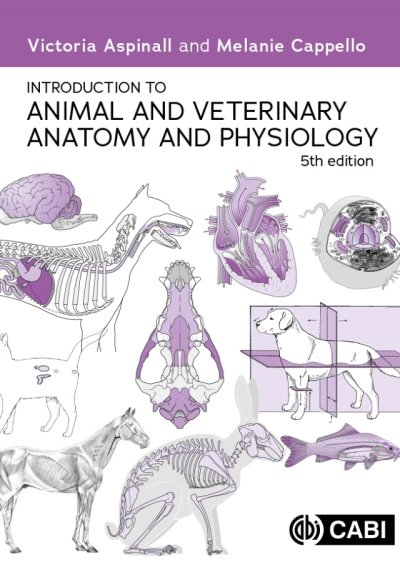
- Introduction to Veterinary Anatomy and Physiology by Victoria Aspinall is a primary resource for students.
- Anatomy of Domestic Animals by Getty is considered a top-tier reference for gross anatomy.
- Digital Tools: Advanced imaging like CT scans and 3D digital modeling help visualize complex structures.
- Clinical Resources: The eClinPath from Cornell University offers specialized data on veterinary clinical pathology.
Veterinary Pharmacology For Veterinary DMS 1 Year Course
Veterinary pharmacology is the specialized study of how drugs interact with various animal species to prevent, diagnose, and treat disease. Unlike human pharmacology, it must account for vast physiological differences across companion animals, livestock, and wildlife.
ভেটেরিনারি ফার্মাকোলজি হল রোগ প্রতিরোধ, নির্ণয় এবং চিকিৎসার জন্য বিভিন্ন প্রাণী প্রজাতির সাথে ওষুধ কীভাবে মিথস্ক্রিয়া করে তার বিশেষায়িত অধ্যয়ন। মানুষের ফার্মাকোলজির বিপরীতে, এটিকে সহচর প্রাণী, গবাদি পশু এবং বন্যপ্রাণীর মধ্যে বিশাল শারীরবৃত্তীয় পার্থক্যের জন্য দায়ী করতে হবে।
Core Sub-disciplines
The field is traditionally divided into two main areas:
- Pharmacokinetics (PK): What the animal’s body does to the drug. This involves the “ADME” process: Absorption, Distribution, Metabolism, and Excretion.
- Pharmacodynamics (PD): What the drug does to the animal’s body. It focuses on the biochemical and physiological effects and their mechanisms of action.
Common Drug Categories
Veterinary medications are categorized by their function and the biological systems they affect:
- Antimicrobials: Used to treat infections, including antibiotics (e.g., penicillin, enrofloxacin) and antifungals.
- Antiparasitics: Critical for controlling internal and external parasites, such as anthelmintics (dewormers).
- Anti-inflammatories: Common agents like NSAIDs (e.g., carprofen, meloxicam) that manage pain and swelling.
- Anesthetics and Analgesics: Drugs used for surgery and chronic pain management.
- Neurological Drugs: Medications for seizures (e.g., phenobarbital) or behavioral issues.
Critical Regulatory and Safety Factors
Because many animals enter the food chain, veterinary pharmacology includes strict safety oversight:
- Withdrawal Periods: The mandatory time between the last drug administration and when animal products (meat, milk, eggs) can safely be used for human consumption to avoid chemical residues.
- Antimicrobial Resistance (AMR): A major global health concern where the misuse of antibiotics in animals can lead to resistant bacteria that may spread to humans.
- Environmental Risk: Assessing how excreted drugs impact soil, water, and non-target species
Veterinary First Aid For Veterinary DMS 1 Year Course
Veterinary first aid involves immediate, temporary care for an injured or ill pet to stabilize them before reaching a veterinarian. Key actions include controlling bleeding with direct pressure, ensuring an open airway, managing burns with cool water, and securely transporting the animal. Always keep pets calm, use a muzzle if necessary to avoid bites, and contact an emergency vet immediately.

পশুচিকিৎসা প্রাথমিক চিকিৎসার মধ্যে রয়েছে আহত বা অসুস্থ পোষা প্রাণীর তাৎক্ষণিক, অস্থায়ী যত্ন, যাতে পশুচিকিৎসা বিশেষজ্ঞের কাছে পৌঁছানোর আগে তাদের স্থিতিশীল করা যায়। মূল পদক্ষেপগুলির মধ্যে রয়েছে সরাসরি চাপ দিয়ে রক্তপাত নিয়ন্ত্রণ করা, শ্বাসনালী খোলা রাখা, ঠান্ডা জল দিয়ে পোড়া ব্যবস্থাপনা করা এবং প্রাণীটিকে নিরাপদে পরিবহন করা। পোষা প্রাণীকে সর্বদা শান্ত রাখুন, কামড় এড়াতে প্রয়োজনে মুখবন্ধ ব্যবহার করুন এবং অবিলম্বে জরুরি পশুচিকিৎসার সাথে যোগাযোগ করুন।
Essential First Aid Procedures Veterinary DMS 1 Year Course
- Bleeding: Apply firm, direct pressure to the wound using a clean cloth or gauze pad for at least 3 minutes without lifting to check.
- Breathing/CPR: If not breathing, check for a heartbeat. For dogs, perform chest compressions (100-120 per minute) on the widest part of the chest, combined with breathing into their nose (one breath every 5 seconds).
- Choking: If an object is visible, gently remove it with tweezers, but avoid pushing it deeper.
- Burns: Run cool (not ice cold) water over the burn for at least 5 minutes. Do not apply creams or ointments.
- Fractures/Trauma: Keep the animal warm and quiet. Transport on a flat surface, such as a board, to avoid further injury.
- Eye Injuries: Flush with sterile saline solution to remove debris.
Pet First Aid Kit Checklist
A well-stocked kit should include:
- Bandaging: Gauze pads, roll gauze, adhesive tape, and bandages.
- Tools: Blunt-ended scissors, tweezers, and a muzzle.
- Cleansing: Sterile saline solution, antiseptic wipes.
- Support: Cotton wool balls, foil blanket.
Critical Safety Tips
- Do not use human medication: Many, such as ibuprofen or Tylenol, are toxic to pets.
- Watch for shock: Symptoms include pale gums, rapid breathing, and weakness.
- Secure the pet: Even gentle pets may bite when in pain.
- Minimize movement: Especially if a spinal injury or fracture is suspected.
Veterinary Vaccination For Veterinary DMS 1 Year Course
Veterinary vaccination is the cornerstone of preventive medicine for domestic pets, livestock, and wildlife. It aims to prevent infectious diseases, improve animal welfare, and protect public health by blocking the transmission of zoonotic diseases (illnesses passed from animals to humans).
গৃহপালিত পোষা প্রাণী, গবাদি পশু এবং বন্যপ্রাণীর জন্য প্রতিরোধমূলক চিকিৎসার মূল ভিত্তি হল পশুচিকিৎসা টিকাকরণ। এর লক্ষ্য হল সংক্রামক রোগ প্রতিরোধ করা, পশু কল্যাণ উন্নত করা এবং জুনোটিক রোগের (প্রাণী থেকে মানুষের মধ্যে সংক্রামিত রোগ) সংক্রমণ রোধ করে জনস্বাস্থ্য রক্ষা করা।
Core vs. Non-Core Vaccines
Vaccines are categorized based on the severity of the disease and the animal’s risk of exposure:
- Core Vaccines: Essential for all animals regardless of lifestyle because the diseases are severe, globally prevalent, or pose a public health risk.
- Dogs: Distemper, Parvovirus, Adenovirus-2 (Hepatitis), and Rabies (where endemic).
- Cats: Feline Parvovirus (Panleukopenia), Feline Calicivirus, and Feline Herpesvirus.
- Non-Core (Risk-Based) Vaccines: Recommended only for animals whose lifestyle (e.g., boarding, travel, outdoor access) increases their risk of exposure.
- Examples: Leptospirosis, Bordetella (Kennel Cough), and Lyme disease in dogs; Feline Leukemia Virus (FeLV) in cats.
Types of Vaccines
- Modified Live Virus (MLV/Attenuated): Contains weakened pathogens that replicate to stimulate a strong, long-lasting immune response. They usually do not require an adjuvant but are sensitive to storage temperatures.
- Inactivated (Killed): Contains pathogens that cannot reproduce. They are safer (cannot cause the disease) and more stable but often require boosters and adjuvants to be effective.
- Recombinant & Next-Generation: Use genetic engineering to insert specific antigens into a harmless “vector” (like a poxvirus) to trigger immunity without using the actual disease-causing agent.
- Toxoids: Specifically target toxins produced by bacteria rather than the bacteria themselves (e.g., Tetanus).
Vaccination Protocols
- Puppies & Kittens: Require a series of doses (typically every 2–4 weeks until roughly 16 weeks of age) to ensure protection as maternal antibodies from their mother’s milk naturally fade.
- Adult Boosters: While some core vaccines may provide immunity for 3 years or longer, others (like Leptospirosis or Kennel Cough) often require annual revaccination because their protection is short-lived.
- Titre Testing: Blood tests that measure antibody levels can sometimes be used to determine if a booster is actually necessary for certain core diseases.
Safety and Side Effects
Severe reactions are rare. Most side effects are mild and resolve within 24–48 hours, including:
- Tenderness or small swelling at the injection site.
- Mild fever, tiredness, or decreased appetite.
- Rare Serious Risks: Allergic reactions (anaphylaxis) or, specifically in cats, feline injection-site sarcomas (rare tumors).
Practice of Veterinary Medicine For Veterinary DMS 1 Year Course
The practice of veterinary medicine is a regulated medical field dedicated to the diagnosis, treatment, and prevention of diseases and injuries in animals. While often associated with clinical care for pets, it encompasses a broad range of activities—from public health and food safety to advanced surgical research.
পশুচিকিৎসা চিকিৎসার অনুশীলন একটি নিয়ন্ত্রিত চিকিৎসা ক্ষেত্র যা প্রাণীদের রোগ এবং আঘাতের রোগ নির্ণয়, চিকিৎসা এবং প্রতিরোধের জন্য নিবেদিত। যদিও প্রায়শই পোষা প্রাণীদের ক্লিনিকাল যত্নের সাথে যুক্ত, এটি জনস্বাস্থ্য এবং খাদ্য সুরক্ষা থেকে শুরু করে উন্নত অস্ত্রোপচার গবেষণা পর্যন্ত বিস্তৃত কার্যকলাপকে অন্তর্ভুক্ত করে।
1. Scope of Practice
By legal and professional standards, the “practice of veterinary medicine” typically includes:
- Medical Care: Diagnosing and treating animal illnesses, deformities, or mental conditions.
- Procedures: Performing surgeries, dental work, and obstetrical procedures (such as pregnancy determination or fertility treatment).
- Prescriptions: Ordering or administering drugs, biologics (vaccines), and anesthetics.
- Consultation: Rendering advice or recommendations regarding animal health, including via telemedicine.
2. Types of Veterinary Practices
Veterinary medicine is categorized by the species served and the setting of care:
- Small Animal (Companion): Primarily treats dogs and cats, but may include birds, rodents, and reptiles.
- Large Animal (Food & Fiber): Focuses on livestock like cattle, swine, sheep, and goats, often to ensure food safety for human consumption.
- Equine: Dedicated specifically to horses.
- Mixed Animal: A combination of large and small animal care, common in rural areas.
- Exotic & Wildlife: Specializes in zoo animals, aquatic species, or wildlife rehabilitation.
3. Regulation and Ethics
To protect animal welfare and public safety, the field is governed by strict requirements:
- Licensure: Professionals must earn a Doctor of Veterinary Medicine (DVM) degree and pass exams like the North American Veterinary Licensing Examination (NAVLE) to practice legally.
- Practice Acts: Every U.S. state has a Veterinary Practice Act that defines who can legally practice and outlines professional conduct.
- Ethics: Veterinarians adhere to principles of stewardship and integrity, often formalized in the AVMA Principles of Veterinary Medical Ethics.
- The VCPR: Most treatments require an established Veterinarian-Client-Patient Relationship (VCPR), meaning the vet has sufficient knowledge of the animal through a recent physical exam.
4. Emerging Trends
- Evidence-Based Medicine (EBVM): Using clinical expertise alongside the best available scientific research to make treatment decisions.
- One Health: An interdisciplinary approach recognizing that the health of animals, people, and the environment is interconnected, particularly regarding zoonotic diseases (e.g., rabies or avian influenza).
- Specialization: There are now over 40 recognized specialties, including oncology, cardiology, and sports medicine.
Veterinary Microbiology For Veterinary DMS 1 Year Course
Veterinary microbiology is a specialized branch of veterinary science that studies microorganisms—including bacteria, viruses, fungi, and parasites—that cause infectious diseases in animals. It bridges basic microbiology and clinical practice, focusing on the diagnosis, treatment, and prevention of diseases in livestock, companion animals, and wildlife.
ভেটেরিনারি মাইক্রোবায়োলজি হল ভেটেরিনারি বিজ্ঞানের একটি বিশেষ শাখা যা প্রাণীদের মধ্যে সংক্রামক রোগ সৃষ্টিকারী ব্যাকটেরিয়া, ভাইরাস, ছত্রাক এবং পরজীবী সহ অণুজীবগুলি অধ্যয়ন করে। এটি গবাদি পশু, সহচর প্রাণী এবং বন্যপ্রাণীতে রোগ নির্ণয়, চিকিৎসা এবং প্রতিরোধের উপর দৃষ্টি নিবদ্ধ করে মৌলিক মাইক্রোবায়োলজি এবং ক্লিনিকাল অনুশীলনের মধ্যে সেতুবন্ধন তৈরি করে।
Core Disciplines
- Bacteriology: The study of bacteria affecting animal health, such as E. coli, Salmonella, and Leptospira.
- Virology: Research into viral pathogens like rabies, swine flu, and emerging variants.
- Mycology: Focused on fungal infections (yeasts and molds) in various animal species.
- Immunology & Vaccinology: Understanding host responses to infection and developing vaccines to prevent outbreaks.
- Parasitology: The study of parasitic organisms that live on or inside animal hosts
Critical Applications
- Zoonotic Disease Control: Managing infections that can jump from animals to humans, such as rabies and salmonellosis, to safeguard public health.
- Antimicrobial Resistance (AMR): Researching how bacteria develop resistance to antibiotics, which is a global health threat for both veterinary and human medicine.
- Molecular Diagnostics: Using advanced tools like Next-Generation Sequencing (NGS) for rapid and precise identification of pathogens.
- Food Security: Protecting livestock populations to ensure a safe and stable food supply for human consumption.
Professional & Academic Resources
- Specialty Certification: Organizations like the American College of Veterinary Microbiologists (ACVM) and the European College of Veterinary Microbiology (ECVM) provide specialist certification for veterinarians.
- Major Journals: The peer-reviewed journal Veterinary Microbiology (Impact Factor: 2.7) is a leading source for high-quality research on infectious animal diseases.
- Academic Training: Universities worldwide offer postgraduate degrees (MSc, PhD) focusing on host-microbe interactions, diagnostics, and infectious disease pathogenesis.
Veterinary DMS 1 Year Course শিক্ষকমন্ডলী
Dr. Ripon
Dr. Tariqul Goni
Dr. Kazi Fatema Pariza
Dr. Apel Mahamud
DMS Course 1 Year করে কোথায় কোথায় চাকরী করা যায়
DMS (Diploma in Medical Science) Veterinary বা অনুরূপ ভেটেরিনারি ডিপ্লোমা কোর্স করার পর বেসরকারি ভেটেরিনারি হাসপাতাল, খামার, পোল্ট্রি শিল্প, ফার্মাসিউটিক্যালস এবং গবেষণা প্রতিষ্ঠানে কাজ করা যায়। প্রধান কর্মক্ষেত্রগুলোর মধ্যে সরকারি ভেটেরিনারি ক্লিনিক, প্রাইভেট ডেইরি ও পোল্ট্রি ফার্ম, ফিড মিল, এবং চিড়িয়াখানা উল্লেখযোগ্য।
কাজের ক্ষেত্রসমূহ:
- বেসরকারি ও করপোরেট জব: বিভিন্ন বড় আকারের ডেইরি, পোল্ট্রি, মাছের খামার, এবং হ্যাচারিতে পশুপাখির চিকিৎসায় বা সুপারভাইজার হিসেবে।
- ফার্মাসিউটিক্যালস: ভেটেরিনারি ওষুধের কোম্পানিগুলোতে মেডিকেল রিপ্রেজেন্টেটিভ বা টেকনিক্যাল অফিসার হিসেবে।
- ফিড মিল ও এআই (AI) সেন্টার: পশু খাদ্যের কারখানায় (Feed Mill) বা কৃত্রিম প্রজনন (Artificial Insemination) কেন্দ্রে টেকনিশিয়ান হিসেবে।
- নিজস্ব ক্লিনিক/ফার্মেসি: ড্রাগ লাইসেন্স নিয়ে নিজস্ব ভেটেরিনারি ওষুধের দোকান বা ছোট পশুর চিকিৎসার ফার্ম দেয়া।
এছাড়াও, এনজিও (NGO) তে গ্রামীণ উন্নয়ন ও গবাদি পশু পালন প্রকল্পে ফিল্ড অফিসার হিসেবে কাজ করার সুযোগ রয়েছে।