 MATCDHAKA – Medical Assistant Training Centre in Dhaka Pharmacy, Veterinary, Dental, Nursing, Pathology, Physiotherapy and Homeopathy Training Institute in Dhaka



Dental Training Course 1 Year Details
Dental Training Course 1 Year. HRTD Medical Institute : Mobile Number.01987073965, 01797522136.Hotline- 01969947171. Dental Training Course 1 Year Subjects are Anatomy & Physiology, Pharmacology-1, Study of OTC Drugs, First Aid, Practice of Medicine,Hematology-1 & Practice of Medicine, Dental Anatomy & Physiology, Anatomy & Headneck, Dental Filling Materials, Clinical practice in Dental Surgery, Neuro Anatomy & Trigeminal Nerves.
Total Cost for Dental Training Course 1 Year
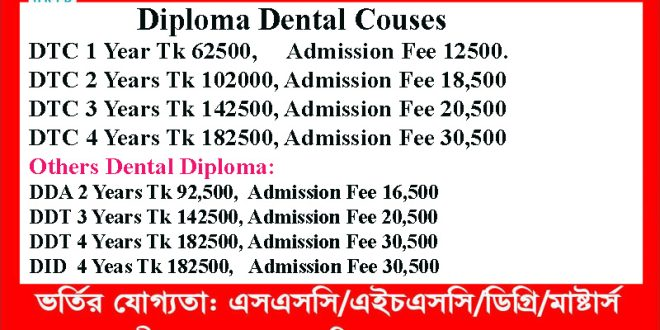
Total Cost =62500 tk
Admission fee =12500 tk
Monthly fee (3500×12) = 42000 tk
Exam fee 2 semester =8000 tk
Location for Dental Training Course 1 Year
HRTD Medical Institute, Abdul Ali Madbor Mansion, Folpotty Mosjid Goli (Bitul Mamur Jame Mosjid Goli), Plot No. 11, Metro Rail Piller No. 249, Mirpur 10 Golchattar, Dhaka.
Document for Admission in Dental Training Course 1 Year
Dental Training Course 1 Year Photocopy of Certificate, Photocopy of NID, Passport Size Photo 4 Pcs. Without NID, a Birth Certificate is allowed for an emergency case.
Admission Eligibility for Dental Training Course 1 Year
Dental Training Course 1 Year Admission Eligibility. Mobile Number. 01987073965. 01941123488, 01797522136. SSC or Equivalent/HSC/ Degree/Master’s from any Background (Science/ Arts/ Commerce/ Technical).
Class System for Dental Training Course 1 Year
Class System for Dental Training Course 1 Year in Dhaka: Weekly Class 3 hours. For jobholders, 3 hours a day. The option days are Friday Morning Shift from 9:00 AM to 12:00 PM, Friday Evening Shift from 3:00 PM to 6:00 PM, Monday Morning Shift from 9:00 AM to 12:00 PM, and Monday Evening Shift from 3:00 PM to 6:00 PM. Saturday Morning Shift from 10am to 1 Pm, Evening Shift from 3 pm to 6 pm.
For Regular Students, Saturday 1 hour, Monday 1 hour, and Friday 1 hour. Morning Shift From 9:00 AM to 12:00 PM, and Evening Shift From 3:00 PM to 6:00 PM.
Hostel Facilities in HRTD Medical Institute for Dental Training Course 1 Year
Hostel & Meal Facilities for 1 Year DMS Course
The Institute has hostel facilities for the students. Students can take a bed in the hostel.
Hostel Fee Tk 3000/- Per Month
Meal Charges Tk 3000/- Per Month. ( Approximately )
হোস্টেল ও খাবার সুবিধা
ইনস্টিটিউটে শিক্ষার্থীদের জন্য হোস্টেল সুবিধা রয়েছে। ছাত্ররা হোস্টেলে বিছানা নিতে পারে।
হোস্টেল ফি 3000/- টাকা প্রতি মাসে,
খাবারের চার্জ 3000/- টাকা প্রতি মাসে।(প্রায়)
Address of HRTD Medical Institute for Dental Training Course 1 Year
আমাদের ঠিকানাঃ HRTD মেডিকেল ইন্সটিটিউট, আব্দুল আলী মাদবর ম্যানশন, সেকশন ৬, ব্লোক খ, রোড ১, প্লট ১১, মেট্রোরেল পিলার নাম্বার ২৪৯, ফলপট্টি মসজিদ গলি, মিরপুর ১০ গোলচত্ত্বর, ঢাকা ১২১৬ । মোবাইল ফোন নাম্বার ০১৭৯৭৫২২১৩৬, ০১৯৮৭০৭৩৯৬৫ ।
Our Address: HRTD Medical Institute, Abdul Ali Madbor Mansion, Section-6, Block- Kha, Road- 1, Plot- 11, Metro Rail Pilar No. 249, Falpatty Mosjid Goli, Mirpur-10 Golchattar, Dhaka 1216. Mobile Phone No. 01797522136, 01987073965.
Teachers For Dental Training Course 1 Year
- Dr. Md. Sakulur Rahman, MBBS, CCD (BIRDEM), Course Director
- Dr. Sanjana Binte Ahmed, BDS, MPH, Assistant Course Director
- Dr. Tisha, MBBS, PGT Gyne, Assistant Course Director
- Dr. Suhana, MBBS, PGT Medicine
- Dr. Danial Hoque, MBBS, C-Card
- Dr. Tisha, MBBS
- Dr. Afrin Jahan, MBBS, PGT Medicine
- Dr. Ananna, MBBS
- Dr. Lamia Afroze, MBBS
- Dr. Amena Afroze Anu, MBBS, PGT Gyne, Assistant Course Director
- Dr. Farhana Antara, MBBS,
- Dr. Nazmun Nahar Juthi, BDS, PGT
- Dr. Farhana Sharna, MBBS
- Dr. Bushra, MBBS
- Dr. Turzo, MBBS
- Dr. Kamrunnahar Keya, BDS, PGT (Dhaka Dental College)
- Dr. Shamima, MBBS, PGT Gyne
- Dr. Alamin, MBBS
- Dr. Benzir Belal, MBBS
- Dr. Disha, MBBS
- Dr. Mahinul Islam, MBBS
- Dr. Tisha, MBBS, PGT Medicine
- Dr. Anika, MBBS, PGT
- Dr. Jannatul Ferdous, MBBS, PGT Gyne
- Dr. Jannatul Aman, MBBS, PGT
- Dr. Rayhan, BPT
- Dr. Abu Hurayra, BPT
- Dr. Sharmin Ankhi, MBBS, PGT Medicine
- Md. Monir Hossain, B Pharm, M Pharm
- Md. Monirul Islam, B Pharm, M Pharm
- Md. Feroj Ahmed, BSc Pathology, PDT Medicine
Practical class for Dental Training Course 1 Year
Subjects for Dental Training Course 1 Year
- Human Anatomy & Physiology-1
- Pharmacology-1
- Study of OTC Drugs
- First Aid-1 & 2 and Practice of Medicine
- Hematology and Pathology for Medical Practice
- Dental Anatomy & Physiology,
- Anatomy & Headneck,
- Dental Filling Materials,
- Clinical practice in Dental Surgery,
- Neuro Anatomy & Trigeminal Nerves.
Subjects Details for Dental Training Course 1 Year
Anatomy & Physiology for Dental Training Course 1 Year
Anatomy and physiology are the two fundamental pillars of the life sciences, serving as the essential roadmap for understanding how the human body is constructed and how it operates in harmony to maintain life. While they are distinct disciplines, they are virtually inseparable; anatomy focuses on the physical “map” of the body, identifying structures from the microscopic to the macroscopic level, while physiology explains the “mechanics” of how these structures perform their vital functions. Together, they provide a comprehensive picture of the human organism as a highly integrated biological machine.
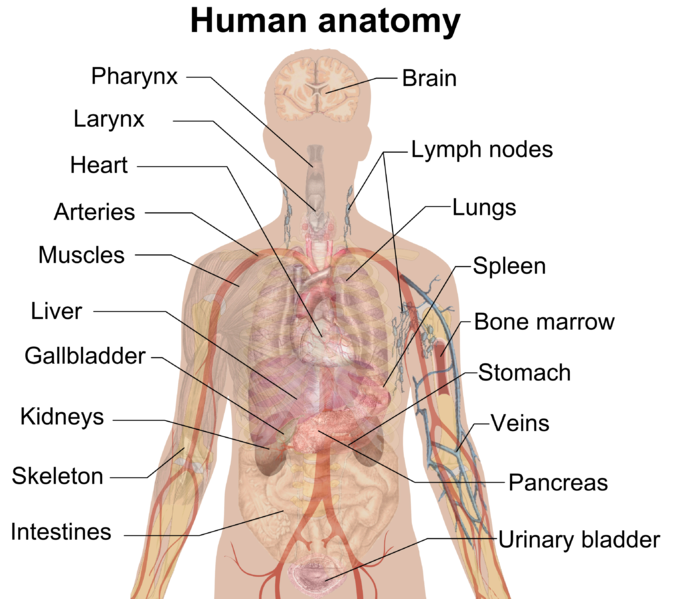
অ্যানাটমি এবং ফিজিওলজি হল জীবন বিজ্ঞানের দুটি মৌলিক স্তম্ভ, যা মানবদেহ কীভাবে তৈরি হয় এবং জীবন বজায় রাখার জন্য এটি কীভাবে সামঞ্জস্যপূর্ণভাবে কাজ করে তা বোঝার জন্য অপরিহার্য রোডম্যাপ হিসেবে কাজ করে। যদিও এগুলি পৃথক শাখা, তারা কার্যত অবিচ্ছেদ্য; অ্যানাটমি শরীরের ভৌত “মানচিত্র”-এর উপর দৃষ্টি নিবদ্ধ করে, অণুবীক্ষণিক থেকে ম্যাক্রোস্কোপিক স্তর পর্যন্ত কাঠামো চিহ্নিত করে, অন্যদিকে ফিজিওলজি এই কাঠামোগুলি কীভাবে তাদের গুরুত্বপূর্ণ কার্য সম্পাদন করে তার “যান্ত্রিকতা” ব্যাখ্যা করে। একসাথে, তারা একটি অত্যন্ত সমন্বিত জৈবিক যন্ত্র হিসাবে মানবদেহের একটি বিস্তৃত চিত্র প্রদান করে।
Anatomy, derived from the Ancient Greek word anatomy meaning “dissection,” is the study of the structure and physical relationships between body parts. It is primarily a descriptive science that answers the question “What is it?” and “Where is it located?”. The field is typically divided into two major branches based on the scale of observation:
প্রাচীন গ্রীক শব্দ anatomy থেকে উদ্ভূত অ্যানাটমি, যার অর্থ “ব্যবচ্ছেদ”, হল শরীরের অঙ্গগুলির মধ্যে গঠন এবং শারীরিক সম্পর্কের অধ্যয়ন। এটি মূলত একটি বর্ণনামূলক বিজ্ঞান যা “এটি কী?” এবং “এটি কোথায় অবস্থিত?” প্রশ্নের উত্তর দেয়। পর্যবেক্ষণের স্কেলের উপর ভিত্তি করে ক্ষেত্রটি সাধারণত দুটি প্রধান শাখায় বিভক্ত।
1.Gross (Macroscopic) Anatomy: This involves the study of large structures that are visible to the naked eye without the aid of magnification. It can be approached systemically, which focuses on organ systems like the skeletal or muscular systems, or regionally, which examines all structures in a specific area of the body, such as the head or thorax.
2.Microscopic Anatomy: This branch requires the use of specialized instruments to see structures too small for the human eye. It includes cytology, the study of individual cells and their internal components, and histology, the study of how groups of similar cells work together as tissues.
Historically, the study of anatomy was advanced through the dissection of cadavers, a practice championed by figures like Herophilus, often called the “Father of Anatomy”. Modern anatomy has been revolutionized by non-invasive medical imaging techniques like MRI, CT scans, and ultrasound, which allow clinicians to view the internal structures of living patients with incredible precision.
The Definition and Scope of Physiology
Physiology is the dynamic counterpart to anatomy, focusing on the chemical and physical processes that occur within the body to keep an organism alive and healthy. If anatomy is the study of the hardware, physiology is the study of the software and electricity that makes it run. It answers the question “How does it work?”.
Physiologists often focus their research on specific levels of biological organization, ranging from cellular physiology (how chemical reactions power a single cell) to organ-system physiology (how the heart, blood vessels, and blood work together to circulate oxygen). This field relies heavily on concepts from physics and chemistry to explain complex phenomena like electrical signaling in nerves or the exchange of gases in the lungs.
The Principle of Complementarity
A core concept in these disciplines is the Complementarity of Structure and Function, which states that the shape and organization of a body part are intimately tied to its specific function. For example, the thin, flat shape of the air sacs (alveoli) in the lungs is perfectly suited for the rapid diffusion of gases, whereas the thick, muscular walls of the heart’s ventricles are designed to generate the high pressure needed to pump blood throughout the entire body.
Pharmacology-1 for Dental Training Course 1 Year
Pharmacology-1 introduces the study of drugs, focusing on their origin, properties, and interactions with living systems, primarily through pharmacokinetics (what the body does to a drug) and pharmacodynamics (what the drug does to the body). Key concepts include drug classification, routes of administration, dosage forms, receptor interactions (agonists/antagonists), and therapeutic, toxic, or adverse effects.
ফার্মাকোলজি-১ ওষুধের অধ্যয়নের সূচনা করে, যার মূল উৎস, বৈশিষ্ট্য এবং জীবন্ত ব্যবস্থার সাথে মিথস্ক্রিয়ার উপর আলোকপাত করে, মূলত ফার্মাকোকাইনেটিক্স (শরীর একটি ওষুধের সাথে কী করে) এবং ফার্মাকোডাইনামিক্স (ওষুধটি শরীরে কী করে) এর মাধ্যমে। মূল ধারণাগুলির মধ্যে রয়েছে ওষুধের শ্রেণীবিভাগ, প্রশাসনের পথ, ডোজ ফর্ম, রিসেপ্টর মিথস্ক্রিয়া (অ্যাগোনিস্ট/প্রতিপক্ষ), এবং থেরাপিউটিক, বিষাক্ত বা প্রতিকূল প্রভাব।
Key Areas in General Pharmacology (Pharmacology-1):
- Definition & Scope: Study of drugs as chemical agents affecting biological systems, covering drug sources, naming (nomenclature), and essential medicine concepts.
- Pharmacokinetics (ADME): The movement of drugs through the body:
- Absorption: Movement of the drug from the site of administration to the bloodstream.
- Distribution: Reversible transfer of a drug between compartments (e.g., blood to tissues).
- Metabolism: Chemical transformation of drugs, primarily in the liver.
- Excretion: Elimination of drugs from the body, mostly via kidneys.
- Pharmacodynamics (Mechanism of Action):
- Drug-Receptor Interactions: How drugs bind to receptors to produce effects (agonists, partial agonists, antagonists).
- Dose-Response Relationships: The relationship between drug concentration and effect.
- Signaling: Signal transduction mechanisms (e.g., G-protein-coupled receptors).
- Routes of Drug Administration: Enteral (oral, sublingual, rectal) and Parenteral (IV, IM, SC) routes.
Essential Definitions:
- Drug: Any chemical substance, natural or synthetic, affecting a biological system.
- Pharmacology: The science of drugs, including their composition, uses, and effects.
- Receptor: A molecule (usually a protein) to which a drug binds to initiate its effects
Study of OTC Drugs for Dental Training Course 1 Year
Over-the-counter (OTC) drug studies show high self-medication rates (up to 97.5% in some groups) for minor ailments, often involving analgesics and NSAIDs. While FDA-approved as safe when used properly, misuse causes significant adverse effects, including hepatic damage, overdose in children, and drug-drug interactions.
ওভার-দ্য-কাউন্টার (OTC) ওষুধের গবেষণায় দেখা গেছে যে ছোটখাটো অসুস্থতার জন্য স্ব-ঔষধের উচ্চ হার (কিছু গ্রুপে 97.5% পর্যন্ত) দেখা গেছে, যার মধ্যে প্রায়শই ব্যথানাশক এবং NSAID জড়িত। যদিও FDA-সঠিকভাবে ব্যবহার করা হলে নিরাপদ হিসাবে অনুমোদিত, অপব্যবহার উল্লেখযোগ্য প্রতিকূল প্রভাব সৃষ্টি করে, যার মধ্যে রয়েছে লিভারের ক্ষতি, শিশুদের মধ্যে অতিরিক্ত মাত্রা এবং ওষুধ-ড্রাগ মিথস্ক্রিয়া।
Key findings from recent studies on OTC usage include:
- Prevalence and Usage: A large percentage of the population, including adults and adolescents, rely on OTC drugs for headaches, pain, coughs, and digestive issues.
- Safety Risks: Studies highlight that 23.75% of users lack proper knowledge of usage, leading to dangerous misuse or overdoses. Common hazards include liver damage from acetaminophen and gastrointestinal issues from NSAIDs.
- Knowledge Gaps: Despite high usage, there is a general lack of understanding among consumers regarding dosage, active ingredients, and potential interactions.
- Demographic Factors: Analgesic use is higher among women, younger populations, and those with lower socioeconomic status.
Commonly Used OTC Drugs:
- Analgesics: Aspirin, Acetaminophen, NSAIDs (Ibuprofen).
- Respiratory: Cough/cold remedies, antihistamines, decongestants.
Effective management requires better education, as many users, including students, often fail to read instructions, leading to improper self-medication
First Aid-1 & 2 for Dental Training Course 1 Year
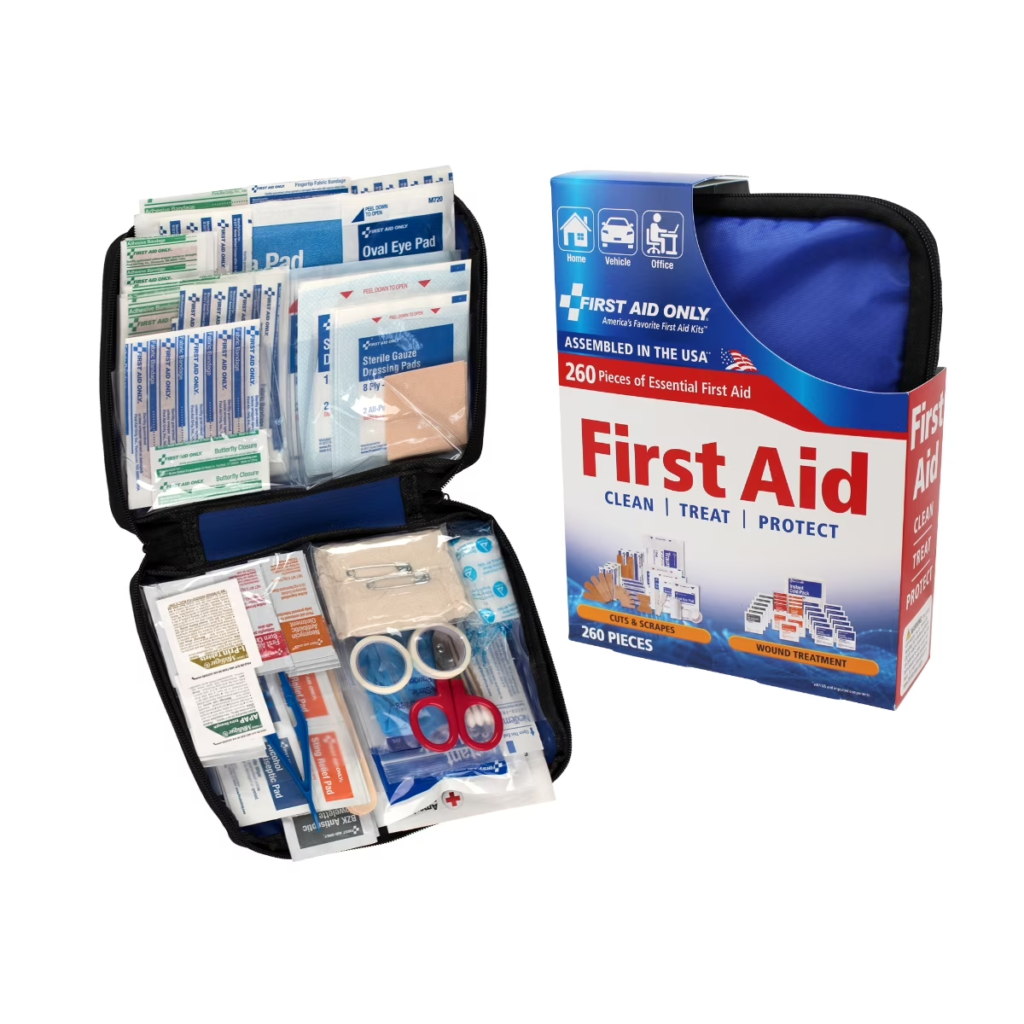
First Aid Levels 1 and 2 are progressive training certifications, where Level 1 covers basic, immediate life-saving skills for common injuries and illnesses, and Level 2 builds upon those skills to manage more complex and serious emergencies, often in higher-risk or remote environments.
প্রাথমিক চিকিৎসা স্তর ১ এবং ২ জরুরি সেবার ক্ষেত্রে প্রগতিশীল প্রশিক্ষণেরপ্রতিনিধিত্ব করে । স্তর ১ কম ঝুঁকিপূর্ণ পরিবেশের জন্য মৌলিক জীবন সহায়তা (সিপিআর, রক্তপাত নিয়ন্ত্রণ, পোড়া) প্রদান করে, যা সাধারণত ১-২ দিন সময় নেয়। স্তর ২ মাঝারি ঝুঁকিপূর্ণ পরিবেশের জন্য মধ্যবর্তী কৌশল (মেরুদণ্ড ব্যবস্থাপনা, স্প্লিন্টিং, অক্সিজেন থেরাপি) ব্যবহার করে এই দক্ষতাগুলিকে প্রসারিত করে
First Aid Level 1
- Course Duration: Typically 1 to 2 days (8 to 16 hours).
- Target Audience: Individuals in low-risk workplaces, general public, and those with no prior medical experience.
- Key Topics:
- Assessing an emergency scene.
- Cardiopulmonary resuscitation (CPR) and choking assistance.
- Basic automated external defibrillator (AED) use.
- Control of minor and severe bleeding and wound dressing.
- Recognition and initial response to shock and sudden illness.
First Aid Level 2
- Course Duration: Typically 3 to 5 days.
- Prerequisite: Often requires a valid Level 1 certification.
- Target Audience: Team leaders, supervisors, safety officers, and individuals in medium-risk environments (e.g., construction, manufacturing).
- Key Topics (in addition to Level 1 content):
- More detailed patient assessments and secondary surveys.
- Management of complex fractures, sprains, and dislocations.
- Care for burns, head injuries, and spinal injuries.
- Management of environmental emergencies (e.g., heatstroke, hypothermia).
- Use of some specialized equipment like bag-valve-masks (BVMs).
Summary of Differences
| Feature | First Aid Level 1 | First Aid Level 2 |
|---|---|---|
| Course Duration | 1 to 2 days | 3 to 5 days |
| Complexity | Basic life support and common injuries | Intermediate/Advanced techniques for complex scenarios |
| Environment Suitability | Low-risk environments (offices, retail) | Medium- to high-risk environments (construction, remote sites) |
| Prerequisites | No prior experience typically required | Level 1 certification often required |
| Topics Covered | CPR, AED, bleeding control, minor wounds | All Level 1 topics, plus fractures, burns, head/spinal injuries, environmental issues, advanced assessment |
Practice of Medicine for Dental Training Course 1 Year
The practice of medicine involves diagnosing, treating, and preventing human diseases, injuries, or conditions by trained, licensed professionals. It integrates clinical expertise, patient values, and the best available evidence to improve health outcomes, adhering to ethical standards like autonomy, beneficence, non-maleficence, and justice.
চিকিৎসাবিদ্যা হলো বৈজ্ঞানিক জ্ঞান, ক্লিনিক্যাল দক্ষতা এবং প্রযুক্তিগত দক্ষতার লাইসেন্সপ্রাপ্ত প্রয়োগ যা মানুষের রোগ, আঘাত এবং শারীরিক বা মানসিক অবস্থা নির্ণয়, চিকিৎসা, প্রতিরোধ এবং পরিচালনা করে। এটি ক্লিনিক্যাল প্রমাণকে রোগী-কেন্দ্রিক যত্নের সাথে সংযুক্ত করে, নীতিগত, সহানুভূতিশীল এবং প্রমাণ-ভিত্তিক সিদ্ধান্ত গ্রহণের উপর জোর দেয়।
Core Components
- Clinical Reasoning: The process of decision-making influenced by patient conditions, clinician judgment, and evidence-based standards.
- Standard of Care: Treatments widely accepted by experts as proper for specific diseases, also known as Best Practice.
Types of Medical Practice for Dental Training Course 1 Year
The practice of medicine is the professional application of medical knowledge and skills to prevent, diagnose, treat, and cure human diseases and injuries. It is considered both an applied science, based on clinical evidence and research, and an art, involving clinical judgment and the management of complex patient relationships
Medical practice is often categorized by the setting or the degree of specialization:
- Primary Care: The first point of contact for patients, often managing common acute and chronic illnesses.
- Specialty and Subspecialty Care: Focused practice in specific areas like cardiology, oncology, or surgery, often requiring referrals.
Legal and Professional Requirements
- Licensing: Practicing medicine requires a professional license granted by a state or national medical board, typically following a medical degree and standardized testing.
- Regulation: Laws define what constitutes “practicing medicine” to protect the public from unqualified practitioners.
Are you looking for information on a specific branch of medicine, or do you need details on the licensing requirements for a particular region?
Hematology for Dental Training Course 1 Year
Hematology is the specialized branch of medicine focused on studying, diagnosing, and treating diseases of the blood, bone marrow, and lymphatic systems. Hematologists manage both benign conditions (e.g., anemia, clotting disorders, hemophilia) and malignant disorders (e.g., leukemia, lymphoma, multiple myeloma), often incorporating laboratory analysis with patient care.
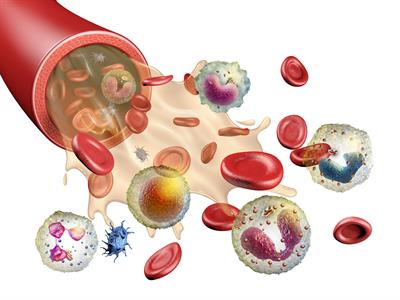
হেমাটোলজি হল চিকিৎসার একটি বিশেষ শাখা যা রক্ত, অস্থি মজ্জা এবং লিম্ফ্যাটিক সিস্টেমের রোগ অধ্যয়ন, নির্ণয় এবং চিকিৎসার উপর দৃষ্টি নিবদ্ধ করে। হেমাটোলজিস্টরা সৌম্য অবস্থা (যেমন, রক্তাল্পতা, জমাট বাঁধার ব্যাধি, হিমোফিলিয়া) এবং ম্যালিগন্যান্ট ব্যাধি (যেমন, লিউকেমিয়া, লিম্ফোমা, মাল্টিপল মায়লোমা) উভয়ই পরিচালনা করেন, প্রায়শই রোগীর যত্নের সাথে পরীক্ষাগার বিশ্লেষণ অন্তর্ভুক্ত করেন।
Key Aspects of Hematology for Dental Training Course 1 Year
- Scope of Study: The field covers the production of blood, its components (red cells, white cells, platelets), and hemoglobin, as well as blood-related tissues like lymph nodes, the spleen, and thymus.
- Benign vs. Malignant:
- Benign Hematology: Treats non-cancerous disorders like anemia, iron deficiency, and thrombosis.
- Malignant Hematology: Focuses on blood cancers, frequently collaborating with oncology.
- Diagnoses and Treatments: Hematologists use blood tests (such as Complete Blood Count – CBC), bone marrow biopsies, and specialized molecular testing. Treatments include chemotherapy, blood transfusions, and bone marrow transplants.
Common Blood Disorders
- Anemias: Aplastic anemia, thalassemia.
- Bleeding/Clotting Disorders: Hemophilia, idiopathic thrombocytopenic purpura (ITP), thrombosis.
- Blood Cancers: Leukemia, multiple myeloma, lymphomas.
হেমাটোলজির মূল দিকগুলি
- অধ্যয়নের সুযোগ: এই ক্ষেত্রটি রক্ত উৎপাদন, এর উপাদানগুলি (লোহিত রক্তকণিকা, শ্বেত রক্তকণিকা, প্লেটলেট), এবং হিমোগ্লোবিন, সেইসাথে রক্ত-সম্পর্কিত টিস্যু যেমন লিম্ফ নোড, প্লীহা এবং থাইমাসকে অন্তর্ভুক্ত করে।
- সৌম্য বনাম ম্যালিগন্যান্ট:
- সৌম্য রক্তরোগবিদ্যা: রক্তাল্পতা, আয়রনের ঘাটতি এবং থ্রম্বোসিসের মতো অ-ক্যান্সারজনিত রোগের চিকিৎসা করে।
- ম্যালিগন্যান্ট হেমাটোলজি: রক্তের ক্যান্সারের উপর দৃষ্টি নিবদ্ধ করে, প্রায়শই অনকোলজির সাথে সহযোগিতা করে।
- রোগ নির্ণয় এবং চিকিৎসা: হেমাটোলজিস্টরা রক্ত পরীক্ষা (যেমন কমপ্লিট ব্লাড কাউন্ট – সিবিসি), অস্থি মজ্জা বায়োপসি এবং বিশেষায়িত আণবিক পরীক্ষা ব্যবহার করেন। চিকিৎসার মধ্যে রয়েছে কেমোথেরাপি, রক্ত সঞ্চালন এবং অস্থি মজ্জা প্রতিস্থাপন।
সাধারণ রক্তের ব্যাধি
- রক্তাল্পতা: অ্যাপ্লাস্টিক রক্তাল্পতা, থ্যালাসেমিয়া।
- রক্তপাত/জমাট বাঁধার ব্যাধি: হিমোফিলিয়া, ইডিওপ্যাথিক থ্রম্বোসাইটোপেনিক পুরপুরা (ITP), থ্রম্বোসিস।
- রক্তের ক্যান্সার:লিউকেমিয়া, মাল্টিপল মায়লোমা, লিম্ফোমা।
Pathology for Medical Practice for Dental Training Course 1 Year
Pathology is the essential medical specialty that bridges science and clinical practice, focusing on the diagnosis of disease through laboratory analysis of tissues, cells, and body fluids. It informs 70–80% of all healthcare decisions, including cancer diagnosis, treatment monitoring, and management of chronic illnesses.
প্যাথলজি হল একটি অপরিহার্য চিকিৎসা বিশেষত্ব যা বিজ্ঞান এবং ক্লিনিকাল অনুশীলনের মধ্যে সেতুবন্ধন তৈরি করে, টিস্যু, কোষ এবং শরীরের তরল পদার্থের পরীক্ষাগার বিশ্লেষণের মাধ্যমে রোগ নির্ণয়ের উপর দৃষ্টি নিবদ্ধ করে। এটি ক্যান্সার নির্ণয়, চিকিৎসা পর্যবেক্ষণ এবং দীর্ঘস্থায়ী অসুস্থতার ব্যবস্থাপনা সহ সমস্ত স্বাস্থ্যসেবা সিদ্ধান্তের ৭০-৮০% তথ্য প্রদান করে।
Key Aspects of Pathology in Practice:
- Anatomic Pathology: Involves examining organs and tissue samples (biopsy) to identify diseases via microscopy, including surgical pathology and autopsies.
- Clinical Pathology: Involves analyzing body fluids and blood in laboratories (e.g., microbiology, hematology, chemistry) to diagnose, treat, and prevent illnesses.
- Molecular Diagnostics: Utilizes advanced genetic testing to provide targeted, personalized treatment, especially in oncology.
- The Diagnostic Cycle: Pathologists collaborate with clinicians to interpret results, providing, for example, definitive cancer diagnoses to guide surgeons and oncologists.
Training and Role:
Pathologists undergo extensive training, including medical school and specialized residency programs, making them experts in the “why” and “how” of disease. They act as consultants to other physicians, ensuring accurate, timely results for optimal patient care.
অনুশীলনে প্যাথলজির মূল দিকগুলি:
- অ্যানাটমিক প্যাথলজি: অস্ত্রোপচারের প্যাথলজি এবং ময়নাতদন্ত সহ মাইক্রোস্কোপির মাধ্যমে রোগ সনাক্ত করার জন্য অঙ্গ এবং টিস্যুর নমুনা (বায়োপসি) পরীক্ষা করা জড়িত।
- ক্লিনিক্যাল প্যাথলজি: রোগ নির্ণয়, চিকিৎসা এবং প্রতিরোধের জন্য পরীক্ষাগারে শরীরের তরল এবং রক্ত বিশ্লেষণ (যেমন, মাইক্রোবায়োলজি, হেমাটোলজি, রসায়ন) জড়িত।
- মলিকুলার ডায়াগনস্টিক্স: বিশেষ করে অনকোলজিতে লক্ষ্যবস্তু, ব্যক্তিগতকৃত চিকিৎসা প্রদানের জন্য উন্নত জেনেটিক পরীক্ষা ব্যবহার করে।
- ডায়াগনস্টিক চক্র: প্যাথলজিস্টরা ফলাফল ব্যাখ্যা করার জন্য চিকিত্সকদের সাথে সহযোগিতা করেন, উদাহরণস্বরূপ, সার্জন এবং অনকোলজিস্টদের নির্দেশনা দেওয়ার জন্য নির্দিষ্ট ক্যান্সার নির্ণয় প্রদান করেন।
প্রশিক্ষণ এবং ভূমিকা:
রোগ বিশেষজ্ঞরা মেডিকেল স্কুল এবং বিশেষায়িত রেসিডেন্সি প্রোগ্রাম সহ ব্যাপক প্রশিক্ষণ গ্রহণ করেন, যা তাদেরকে রোগের “কেন” এবং “কিভাবে” বিশেষজ্ঞ করে তোলে। তারা অন্যান্য চিকিৎসকদের পরামর্শদাতা হিসেবে কাজ করে, সর্বোত্তম রোগীর যত্নের জন্য সঠিক, সময়োপযোগী ফলাফল নিশ্চিত করে।