 MATCDHAKA – Medical Assistant Training Centre in Dhaka Pharmacy, Veterinary, Dental, Nursing, Pathology, Physiotherapy and Homeopathy Training Institute in Dhaka



PDT-Gynecology 6 Month Course Details
HRTD Medical Institute Mobile No-01987073965, 01797522136. Hotline No-01969947171. PDT-Gynecology 6 Month Course in Dhaka is the short course in medical sector. Total subjects contain 4 –
Total Cost for PDT-Gynecology 6 Month Course
Total Cost =35500 tk
Admission fee =12500 tk
Monthly fee (3500×6) = 21000 tk
Exam fee 1 semester =2000 tk
Location for PDT-Gynecology 6 Month Course
HRTD Medical Institute, Abdul Ali Madbor Mansion, Folpotty Mosjid Goli (Bitul Mamur Jame Mosjid Goli), Plot No. 11, Metro Rail Piller No. 249, Mirpur 10 Golchattar, Dhaka.
Document for PDT-Gynecology 6 Month Course
PDT-Gynecology 6 Month Course in Dhaka Photocopy of Certificate, Photocopy of NID, Passport Size Photo 4 Pcs. Without NID, a Birth Certificate is allowed for an emergency case.
Admission Eligibility for PDT-Gynecology 6 Month Course
PDT-Gynecology 6 Month Course in Dhaka Admission Eligibility. Mobile Number. 01987073965. 01941123488, 01797522136. SSC or Equivalent/HSC/ Degree/Master’s from any Background (Science/ Arts/ Commerce/ Technical).
Class System for PDT-Gynecology 6 Month Course
Class System for PDT-Gynecology 6 Month Course Course in Dhaka: Weekly Class 3 hours. For jobholders, 3 hours a day. The option days are Friday Morning Shift from 9:00 AM to 12:00 PM, Friday Evening Shift from 3:00 PM to 6:00 PM, Monday Morning Shift from 9:00 AM to 12:00 PM, and Monday Evening Shift from 3:00 PM to 6:00 PM. Saturday Morning Shift from 10am to 1 Pm, Evening Shift from 3 pm to 6 pm.
For Regular Students, Saturday 1 hour, Monday 1 hour, and Friday 1 hour. Morning Shift From 9:00 AM to 12:00 PM, and Evening Shift From 3:00 PM to 6:00 PM.
Hostel Facilities in HRTD Medical Institute for PDT-Gynecology 6 Month Course
Hostel & Meal Facilities for PDT-Gynecology 6 Month Course
The Institute has hostel facilities for the students. Students can take a bed in the hostel.
Hostel Fee Tk 3000/- Per Month
Meal Charges Tk 3000/- Per Month. ( Approximately )
হোস্টাল ও খাবার সুবিধা
ইনস্টিটিউটে শিক্ষার্থীদের জন্য হোস্টেল সুবিধা রয়েছে। ছাত্ররা হোস্টেলে বিছানা নিতে পারে।
হোস্টেল ফি 3000/- টাকা প্রতি মাসে,
খাবারের চার্জ 3000/- টাকা প্রতি মাসে।(প্রায়),
Address of HRTD Medical Institute for PDT-Gynecology 6 Month Course
আমাদের ঠিকানাঃ HRTD মেডিকেল ইন্সটিটিউট, আব্দুল আলী মাদবর ম্যানশন, সেকশন ৬, ব্লোক খ, রোড ১, প্লট ১১, মেট্রোরেল পিলার নাম্বার ২৪৯, ফলপট্টি মসজিদ গলি, মিরপুর ১০ গোলচত্ত্বর, ঢাকা ১২১৬ । মোবাইল ফোন নাম্বার ০১৭৯৭৫২২১৩৬, ০১৯৮৭০৭৩৯৬৫ ।
Our Address: HRTD Medical Institute, Abdul Ali Madbor Mansion, Section-6, Block- Kha, Road- 1, Plot- 11, Metro Rail Pilar No. 249, Falpatty Mosjid Goli, Mirpur-10 Golchattar, Dhaka 1216. Mobile Phone No. 01797522136, 01987073965.
Teachers For PDT-Gynecology 6 Month Course
- Dr. Md. Sakulur Rahman, MBBS, CCD (BIRDEM), Course Director
- Dr. Sanjana Binte Ahmed, BDS, MPH, Assistant Course Director
- Dr. Tisha, MBBS, PGT Gyne, Assistant Course Director
- Dr. Suhana, MBBS, PGT Medicine
- Dr. Danial Hoque, MBBS, C-Card
- Dr. Tisha, MBBS
- Dr. Afrin Jahan, MBBS, PGT Medicine
- Dr. Ananna, MBBS
- Dr. Lamia Afroze, MBBS
- Dr. Amena Afroze Anu, MBBS, PGT Gyne, Assistant Course Director
- Dr. Farhana Antara, MBBS,
- Dr. Nazmun Nahar Juthi, BDS, PGT
- Dr. Farhana Sharna, MBBS
- Dr. Bushra, MBBS
- Dr. Turzo, MBBS
- Dr. Kamrunnahar Keya, BDS, PGT (Dhaka Dental College)
- Dr. Shamima, MBBS, PGT Gyne
- Dr. Alamin, MBBS
- Dr. Benzir Belal, MBBS
- Dr. Disha, MBBS
- Dr. Mahinul Islam, MBBS
- Dr. Tisha, MBBS, PGT Medicine
- Dr. Anika, MBBS, PGT
- Dr. Jannatul Ferdous, MBBS, PGT Gyne
- Dr. Jannatul Aman, MBBS, PGT
- Dr. Rayhan, BPT
- Dr. Abu Hurayra, BPT
- Dr. Sharmin Ankhi, MBBS, PGT Medicine
- Md. Monir Hossain, B Pharm, M Pharm
- Md. Monirul Islam, B Pharm, M Pharm
- Md. Feroj Ahmed, BSc Pathology, PDT Medicine,
Subjects for PDT-Gynecology 6 Month Course
1.Gynecological Drugs & Pharmacology
2.Male Reproductive Anatomy & Physiology
3.Female Reproductive Anatomy & Physiology
4.Menstrual Complications & Treatment
Subject Details for PDT-Gynecology 6 Month Course
Female Gynocological Ana & Physiology PDT-Gynecology 6 Month Course
Gynecological anatomy and physiology cover the structures and functions of the female reproductive tract, which is divided into the external genitalia (vulva) and internal pelvic organs. These systems facilitate ovulation, menstruation, fertilization, and hormone production, primarily governed by the hypothalamic-pituitary-ovarian (HPO) axis.
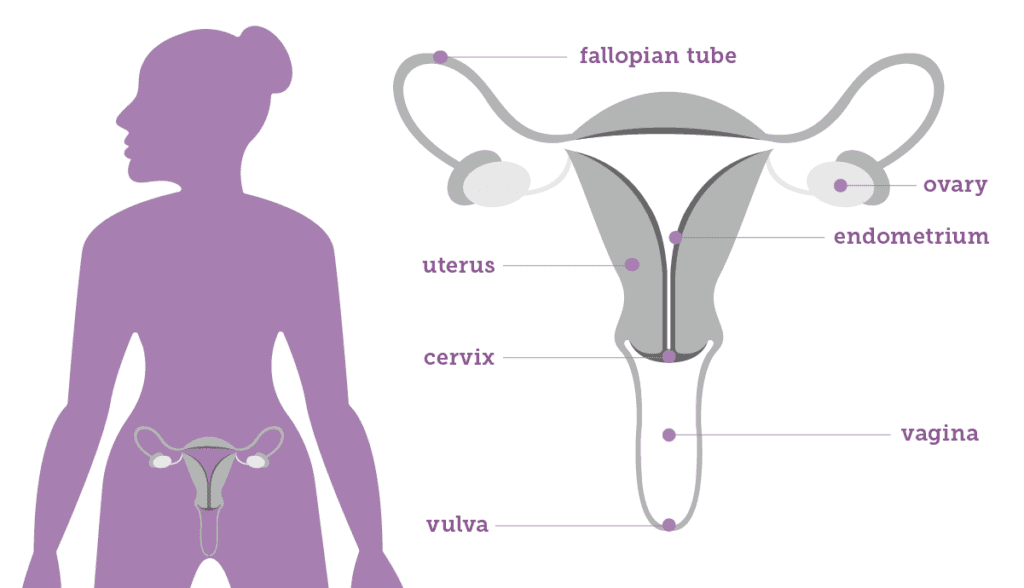
স্ত্রীরোগ সংক্রান্ত শারীরস্থান ও শারীরবিদ্যা নারী প্রজননতন্ত্রের গঠন ও কার্যাবলী নিয়ে আলোচনা করে, যা বাহ্যিক জননাঙ্গ (ভালভা) এবং অভ্যন্তরীণ শ্রোণী অঙ্গে বিভক্ত। এই তন্ত্রগুলো ডিম্বস্ফোটন, ঋতুস্রাব, নিষেক এবং হরমোন উৎপাদনে সহায়তা করে, যা প্রধানত হাইপোথ্যালামিক-পিটুইটারি-ওভারিয়ান (HPO) অক্ষ দ্বারা নিয়ন্ত্রিত হয়।
Internal Organs
- Vagina: A fibromuscular, self-cleaning canal that serves as the copulatory organ, excretory channel for menstruation, and the birth canal.
- Uterus: A hollow, pear-shaped muscular organ that houses a developing fetus. Its wall has three layers: the outer perimetrium, the muscular myometrium (which drives contractions), and the inner endometrium (which sheds during menstruation)
- Fallopian Tubes: The pathways for ovum transport where fertilization typically occurs in the ampulla.
- Ovaries: The primary female gonads responsible for producing oocytes (eggs) and the hormones estrogen and progesterone
External Genitalia (Vulva)
- Clitoris: A highly sensitive erectile structure homologous to the penis, containing roughly 10,000 nerve endings for sexual pleasure.
- Labia Majora & Minora: Folds of skin that protect and enclose the urethral and vaginal openings within the vestibule
Physiology & The Menstrual Cycle
The female reproductive physiology operates on an approximate 28-day cycle regulated by the ovaries and the brain.
Ovarian Cycle: Involves the follicular phase (egg maturation under Follicle Stimulating Hormone), ovulation (triggered by a Luteinizing Hormone surge), and the luteal phase (corpus luteum secretes progesterone).
Uterine Cycle: Corresponds to the ovarian cycle, progressing through the menses (shedding of the endometrium), the proliferative phase (thickening of the lining), and the secretory phase (preparing for egg implantation)
Gynecological Drugs & Pharmacology for PDT-Gynecology 6 Month Course
Gynecological pharmacology encompasses hormones, anti-infectives, and uterine modulators used to manage female reproductive health. Key drug classes include hormonal therapies (estrogens, progestins, GnRH agonists) for menstrual and endocrine disorders, ovulation inducers for infertility, and antimicrobials for pelvic infections.
স্ত্রীরোগ সংক্রান্ত ঔষধবিজ্ঞান বলতে বোঝায় নারীর প্রজনন স্বাস্থ্য ব্যবস্থাপনার জন্য ব্যবহৃত হরমোন, সংক্রমণরোধী ঔষধ এবং জরায়ু নিয়ন্ত্রক ঔষধ। এর প্রধান ঔষধ শ্রেণিগুলোর মধ্যে রয়েছে ঋতুস্রাব ও অন্তঃস্রাবী গ্রন্থির সমস্যার জন্য হরমোন থেরাপি (ইস্ট্রোজেন, প্রোজেস্টিন, জিএনআরএইচ অ্যাগোনিস্ট), বন্ধ্যাত্বের জন্য ডিম্বস্ফোটন উদ্দীপক এবং শ্রোণী অঞ্চলের সংক্রমণের জন্য জীবাণু-প্রতিরোধী ঔষধ।
1. Hormonal Therapies & Contraceptives
Hormones are the most frequently prescribed gynecological agents. They mimic or inhibit natural feedback loops in the hypothalamic-pituitary-ovarian (HPO) axis
Estrogens (e.g., Estradiol, Conjugated Estrogens):
- Mechanism: Bind to nuclear estrogen receptors to modify gene transcription.
- Uses: Combined oral contraceptives (COCs), hormone replacement therapy (HRT), and managing abnormal uterine bleeding (AUB).
- Risks: Increased risk of thromboembolism (blood clots) and stroke, especially in smokers
- Progestins (e.g., Levonorgestrel, Medroxyprogesterone, Norethindrone):
- Mechanism: Suppress luteinizing hormone (LH) secretion to prevent ovulation and thicken cervical mucus to block sperm.
- Uses: Progestin-only pills (“mini-pills”), intrauterine devices (IUDs like Mirena), and endometrial hyperplasia prevention
- Selective Estrogen Receptor Modulators (SERMs):
- Clomiphene: Blocks estrogen receptors in the hypothalamus, increasing GnRH and stimulating ovulation in treating infertility.
- Tamoxifen / Raloxifene: Act as estrogen antagonists in breast tissue but agonists in bone.
- GnRH Agonists & Antagonists (e.g., Leuprolide, Elagolix):
- Mechanism: Suppress the HPO axis to create a temporary “menopausal” state.
- Uses: Treating endometriosis and shrinking uterine fibroids
Male Reproductive Anatomy & Physiology for PDT-Gynecology 6 Month Course
The male reproductive system produces, sustains, and transports sperm and reproductive hormones. Major anatomical structures include the testes (where sperm and testosterone are made), the epididymis (for sperm maturation), the vas deferens (for sperm transport), and the accessory glands, which produce seminal fluid
External Anatomy
The external components protect the internal structures and facilitate the delivery of sperm
Scrotum: A skin-covered pouch that houses the testes and regulates their temperature. Sperm production requires a temperature 2–3°C cooler than core body temperature.
Testes (Testicles): The primary male gonads. They contain tightly coiled seminiferous tubules where sperm cells are generated.
Penis: The copulatory organ containing three cylindrical columns of erectile tissue: two corpora cavernosa and one corpus spongiosum. The urethra runs through the corpus spongiosum
Menstrual Complications & Treatment for PDT-Gynecology 6 Month Course
Menstrual complications—such as heavy bleeding, severe cramping, and irregular cycles—are often caused by hormonal imbalances, fibroids, or conditions like endometriosis. Treatments are highly targeted and range from over-the-counter NSAIDs and hormonal birth control to surgical procedures like myomectomies or endometrial ablation
Common complications and their tailored treatments include:
- Heavy Menstrual Bleeding (Menorrhagia): Characterized by soaking a pad every hour, bleeding for over 7 days, or passing large clots.
- Treatment: Non-hormonal options like Tranexamic Acid reduce bleeding without altering hormones. Hormonal treatments (like the levonorgestrel IUD or oral contraceptives) thin the uterine lining.
- Painful Periods (Dysmenorrhea): Severe, debilitating cramps often tied to inflammation or conditions like endometriosis
- Painful Periods (Dysmenorrhea): Severe, debilitating cramps often tied to inflammation or conditions like endometriosis.
- Treatment: NSAIDs (like ibuprofen or naproxen) relieve pain and reduce blood loss. Hormonal medications can halt menstruation in severe cases.
- Irregular or Absent Periods (Amenorrhea/Oligomenorrhea): Infrequent cycles or a complete lack of periods, which can be caused by PCOS or thyroid imbalances.
- Treatment: Hormone therapy, such as birth control pills or hormone replacements, is often used to establish regular cycles and prevent long-term complications