 MATCDHAKA – Medical Assistant Training Centre in Dhaka Pharmacy, Veterinary, Dental, Nursing, Pathology, Physiotherapy and Homeopathy Training Institute in Dhaka



1 Year Physiotherapy Course in Dhaka Details
HRTD Medical Institute Mobile No-01987073965, 01797522136. Hotline No-01969947171.1 Year Physiotherapy Course in Dhaka is the short course in medical sector. Total subjects contain 10 -Anatomy & Physiology, Pharmacology-1, Study of OTC medicine, First aid & Practice of Medicine, Hematology & Pathology, Cardiovascular Anatomy & Physiology, Orthopedic Medicine, Neuro Anatomy & Physiology, Electro Physics, Orthopedic Disease & Treatment.
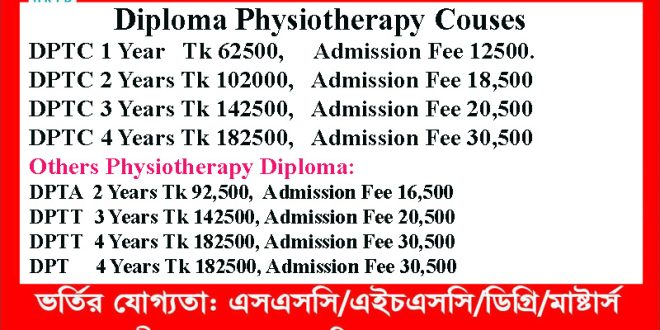
Total Cost for 1 Year Physiotherapy Course in Dhaka
Total Cost =62500 tk
Admission fee =12500 tk
Monthly fee (3500×12) = 42000 tk
Exam fee 2 semester =8000 tk
Location for 1 Year Physiotherapy Course in Dhaka
1 Year Physiotherapy Course in Dhaka HRTD Medical Institute, Abdul Ali Madbor Mansion, Folpotty Mosjid Goli (Bitul Mamur Jame Mosjid Goli), Plot No. 11, Metro Rail Piller No. 249, Mirpur 10 Golchattar, Dhaka.
Document for 1 Year Physiotherapy Course in Dhaka
1 Year Physiotherapy Course in Dhaka Photocopy of Certificate, Photocopy of NID, Passport Size Photo 4 Pcs. Without NID, a Birth Certificate is allowed for an emergency case.
Admission Eligibility for 1 Year Physiotherapy Course in Dhaka
1 Year Physiotherapy Course in Dhaka Admission Eligibility. Mobile Number. 01987073965. 01941123488, 01797522136. SSC or Equivalent/HSC/ Degree/Master’s from any Background (Science/ Arts/ Commerce/ Technical).
Class System for 1 Year Physiotherapy Course in Dhaka
Class System for 1 Year Physiotherapy Course in Dhaka : Weekly Class 3 hours. For jobholders, 3 hours a day. The option days are Friday Morning Shift from 9:00 AM to 12:00 PM, Friday Evening Shift from 3:00 PM to 6:00 PM, Monday Morning Shift from 9:00 AM to 12:00 PM, and Monday Evening Shift from 3:00 PM to 6:00 PM. Saturday Morning Shift from 10am to 1 Pm, Evening Shift from 3 pm to 6 pm.
For Regular Students, Saturday 1 hour, Monday 1 hour, and Friday 1 hour. Morning Shift From 9:00 AM to 12:00 PM, and Evening Shift From 3:00 PM to 6:00 PM.
Hostel Facilities in HRTD Medical Institute for 1 Year Physiotherapy Course in Dhaka
Hostel & Meal Facilities for 1 Year Physiotherapy Course in Dhaka
The Institute has hostel facilities for the students. Students can take a bed in the hostel.
Hostel Fee Tk 3000/- Per Month
Meal Charges Tk 3000/- Per Month. ( Approximately )
হোস্টাল ও খাবার সুবিধা
ইনস্টিটিউটে শিক্ষার্থীদের জন্য হোস্টেল সুবিধা রয়েছে। ছাত্ররা হোস্টেলে বিছানা নিতে পারে।
হোস্টেল ফি 3000/- টাকা প্রতি মাসে,
খাবারের চার্জ 3000/- টাকা প্রতি মাসে।(প্রায়),
Address of HRTD Medical Institute for 1 Year Physiotherapy Course in Dhaka
আমাদের ঠিকানাঃ HRTD মেডিকেল ইন্সটিটিউট, আব্দুল আলী মাদবর ম্যানশন, সেকশন ৬, ব্লোক খ, রোড ১, প্লট ১১, মেট্রোরেল পিলার নাম্বার ২৪৯, ফলপট্টি মসজিদ গলি, মিরপুর ১০ গোলচত্ত্বর, ঢাকা ১২১৬ । মোবাইল ফোন নাম্বার ০১৭৯৭৫২২১৩৬, ০১৯৮৭০৭৩৯৬৫ ।
Our Address: HRTD Medical Institute, Abdul Ali Madbor Mansion, Section-6, Block- Kha, Road- 1, Plot- 11, Metro Rail Pilar No. 249, Falpatty Mosjid Goli, Mirpur-10 Golchattar, Dhaka 1216. Mobile Phone No. 01797522136, 01987073965.
Teachers For 1 Year Physiotherapy Course in Dhaka
- Dr. Md. Sakulur Rahman, MBBS, CCD (BIRDEM), Course Director
- Dr. Sanjana Binte Ahmed, BDS, MPH, Assistant Course Director
- Dr. Tisha, MBBS, PGT Gyne, Assistant Course Director
- Dr. Suhana, MBBS, PGT Medicine
- Dr. Danial Hoque, MBBS, C-Card
- Dr. Tisha, MBBS
- Dr. Afrin Jahan, MBBS, PGT Medicine
- Dr. Ananna, MBBS
- Dr. Lamia Afroze, MBBS
- Dr. Amena Afroze Anu, MBBS, PGT Gyne, Assistant Course Director
- Dr. Farhana Antara, MBBS,
- Dr. Nazmun Nahar Juthi, BDS, PGT
- Dr. Farhana Sharna, MBBS
- Dr. Bushra, MBBS
- Dr. Turzo, MBBS
- Dr. Kamrunnahar Keya, BDS, PGT (Dhaka Dental College)
- Dr. Shamima, MBBS, PGT Gyne
- Dr. Alamin, MBBS
- Dr. Benzir Belal, MBBS
- Dr. Disha, MBBS
- Dr. Mahinul Islam, MBBS
- Dr. Tisha, MBBS, PGT Medicine
- Dr. Anika, MBBS, PGT
- Dr. Jannatul Ferdous, MBBS, PGT Gyne
- Dr. Jannatul Aman, MBBS, PGT
- Dr. Rayhan, BPT
- Dr. Abu Hurayra, BPT
- Dr. Sharmin Ankhi, MBBS, PGT Medicine
- Md. Monir Hossain, B Pharm, M Pharm
- Md. Monirul Islam, B Pharm, M Pharm
- Md. Feroj Ahmed, BSc Pathology, PDT Medicine
Subjects for 1 Year Physiotherapy Course in Dhaka
- Human Anatomy & Physiology-1
- Pharmacology-1
- Study of OTC Drugs
- First Aid-1 & 2 and Practice of Medicine
- Hematology and Pathology for Medical Practice
- Cardiovascular Anatomy & Physiology,
- Orthopedic Medicine,
- Neuro Anatomy & Physiology,
- Electro Physics,
- Orthopedic Disease & Treatment.
Some subjects details for 1 Year Physiotherapy Course in Dhaka
Human Anatomy & Physiology for 1 Year Physiotherapy Course in Dhaka
Human anatomy is the study of the structural components of the body (cells, tissues, organs), while physiology explores the functions and processes of these structures. Together, they examine how the body maintains homeostasis through11 major organ systems, including the nervous, cardiovascular, and musculoskeletal systems.
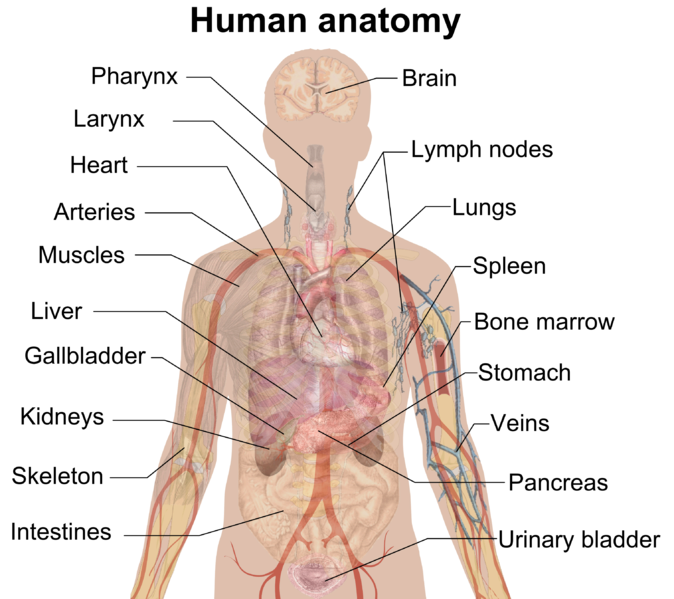
মানব শারীরস্থান হল শরীরের কাঠামোগত উপাদানগুলির (কোষ, টিস্যু, অঙ্গ) অধ্যয়ন, অন্যদিকে শারীরবিদ্যা এই কাঠামোগুলির কার্যকারিতা এবং প্রক্রিয়াগুলি অন্বেষণ করে। একসাথে, তারা পরীক্ষা করে যে কীভাবে শরীর স্নায়ুতন্ত্র, কার্ডিওভাসকুলার এবং পেশীবহুল সিস্টেম সহ ১১টি প্রধান অঙ্গ সিস্টেমের মাধ্যমে হোমিওস্ট্যাসিস বজায় রাখে
Key Aspects of Human Anatomy and Physiology
- Levels of Organization: The body is structured in levels: Chemical (atoms/molecules), Cellular (basic unit of life), Tissue (groups of cells), Organ (tissues working together), Organ System (organs working together), and Organism.
- Key Body Systems: The body operates through 11 major systems, including the Cardiovascular, Nervous, Musculoskeletal, Respiratory, Digestive, Endocrine, and Immune systems.
- Structural Divisions: The body is divided into the axial region (head, neck, torso) and the appendicular region (limbs).
- Homeostasis: A fundamental concept where systems work together to maintain a stable internal environment.
Major Body Systems and Functions
- Integumentary: Skin, hair, and nails protect internal structures.
- Skeletal: Bones and cartilage provide structure and support.
- Muscular: Enables movement and maintains temperature.
- Nervous: Brain and nerves detect stimuli and process information.
- Endocrine: Glands secrete hormones to regulate processes.
- Cardiovascular: Heart and blood vessels transport oxygen and nutrients.
- Respiratory: Lungs and airways remove and deliver
- Digestive: Breaks down food and removes waste.
- Urinary: Kidneys control water balance and remove waste.
- Reproductive: Produces sex hormones and offspring.
- Lymphatic/Immune: Defends against pathogens
মানব শারীরস্থান এবং শারীরবিদ্যার মূল দিকগুলি
- সংগঠনের স্তর: দেহ স্তরে গঠিত: রাসায়নিক (পরমাণু/অণু), কোষীয় (জীবনের মৌলিক একক), টিস্যু (কোষের গোষ্ঠী), অঙ্গ (একসাথে কাজ করা টিস্যু), অঙ্গ ব্যবস্থা (একসাথে কাজ করা অঙ্গ), এবং জীব।
- মূল দেহ ব্যবস্থা: শরীর ১১টি প্রধান ব্যবস্থার মাধ্যমে কাজ করে, যার মধ্যে রয়েছে কার্ডিওভাসকুলার, স্নায়ু, পেশীবহুল, শ্বাসযন্ত্র, পরিপাক, অন্তঃস্রাবী এবং রোগ প্রতিরোধ ব্যবস্থা।
- কাঠামোগত বিভাগ: দেহ অক্ষীয় অঞ্চলে (মাথা, ঘাড়, ধড়) এবং উপাঙ্গ অঞ্চলে (অঙ্গ-প্রত্যঙ্গ) বিভক্ত।
- হোমিওস্ট্যাসিস: একটি মৌলিক ধারণা যেখানে সিস্টেমগুলি একটি স্থিতিশীল অভ্যন্তরীণ পরিবেশ বজায় রাখার জন্য একসাথে কাজ করে।
প্রধান শারীরিক সিস্টেম এবং কার্যাবলী
- ইন্টিগুমেন্টারি: ত্বক, চুল এবং নখ অভ্যন্তরীণ গঠন রক্ষা করে।
- কঙ্কাল: হাড় এবং তরুণাস্থি গঠন এবং সহায়তা প্রদান করে।
- পেশীবহুল: চলাচল সক্ষম করে এবং তাপমাত্রা বজায় রাখে।
- স্নায়বিক: মস্তিষ্ক এবং স্নায়ু উদ্দীপনা সনাক্ত করে এবং তথ্য প্রক্রিয়া করে।
- এন্ডোক্রাইন: গ্রন্থিগুলি প্রক্রিয়া নিয়ন্ত্রণের জন্য হরমোন নিঃসরণ করে।
- হৃদযন্ত্র: হৃদপিণ্ড এবং রক্তনালীগুলি অক্সিজেন এবং পুষ্টি পরিবহন করে।
- শ্বাসযন্ত্র: ফুসফুস এবং শ্বাসনালী অপসারণ করে এবং বিতরণ করে ।
- হজমকারী: খাদ্য ভেঙে ফেলে এবং বর্জ্য পদার্থ অপসারণ করে।
- মূত্রনালীর: কিডনি পানির ভারসাম্য নিয়ন্ত্রণ করে এবং বর্জ্য পদার্থ অপসারণ করে।
- প্রজনন: যৌন হরমোন এবং সন্তান উৎপাদন করে।
- লিম্ফ্যাটিক/ইমিউন: রোগজীবাণু থেকে রক্ষা করে।
Pharmacology for 1 Year Physiotherapy Course in Dhaka
Pharmacology is the scientific study of the origin, nature, properties, and actions of drugs on living organisms, bridging basic science (chemistry, biology) with medicine. It focuses on two main areas: pharmacokinetics (how the body acts on the drug) and pharmacodynamics (how the drug acts on the body). Key applications include drug discovery, safety testing, and improving therapeutic treatments.
ফার্মাকোলজি হলো জীবন্ত প্রাণীর উপর ওষুধের উৎপত্তি, প্রকৃতি, বৈশিষ্ট্য এবং ক্রিয়া সম্পর্কিত বৈজ্ঞানিক গবেষণা, যা মৌলিক বিজ্ঞান (রসায়ন, জীববিজ্ঞান) এবং ঔষধের মধ্যে সংযোগ স্থাপন করে। এটি দুটি প্রধান ক্ষেত্রের উপর দৃষ্টি নিবদ্ধ করে: ফার্মাকোকিনেটিক্স (শরীর কীভাবে ওষুধের উপর কাজ করে) এবং ফার্মাকোডাইনামিক্স (ওষুধ কীভাবে শরীরে কাজ করে)। মূল প্রয়োগগুলির মধ্যে রয়েছে ওষুধ আবিষ্কার, সুরক্ষা পরীক্ষা এবং থেরাপিউটিক চিকিৎসা উন্নত করা।
Key Aspects of Pharmacology
- Pharmacokinetics (PK): Examines the absorption, distribution, metabolism, and excretion (ADME) of drugs.
- Pharmacodynamics (PD): Studies the biochemical and physiological effects of drugs, including receptor interactions.
- Toxicology: Investigates the adverse effects of chemicals on living systems.
Subdisciplines and Related Fields
- Neuropharmacology: Drug effects on the nervous system.
- Cardiovascular Pharmacology: Drug effects on the heart and blood vessels.
- Psychopharmacology: Drug effects on mood, thinking, and behavior.
- Toxicology: Study of adverse drug effects.
Key Concepts
- Drug Discovery/Development: Identifying new, safe, and effective compounds.
- Mechanism of Action (MoA): The specific biochemical interaction through which a drug produces its pharmacological effect.
- Therapeutic Index: A comparison of the amount of a therapeutic agent that causes the therapeutic effect to the amount that causes toxicity
Study of OTC Drugs for 1 Year Physiotherapy Course in Dhaka
Over-the-counter (OTC) drugs are non-prescription medications for treating minor, self-limiting illnesses, widely used for convenience and accessibility. Studies show high, often unguided, consumption (e.g., up to 97.5% among adolescents), with NSAIDs, antacids, and analgesics being most common. Misuse, including excessive dosage, is a significant public health risk.
ওভার-দ্য-কাউন্টার (ওটিসি) ওষুধ হল ছোটখাটো, স্ব-সীমাবদ্ধ অসুস্থতার চিকিৎসার জন্য প্রেসক্রিপশনবিহীন ওষুধ, যা সুবিধা এবং সহজলভ্যতার জন্য ব্যাপকভাবে ব্যবহৃত হয়। গবেষণায় দেখা গেছে যে উচ্চ, প্রায়শই অনিয়ন্ত্রিত, সেবন (যেমন, কিশোর-কিশোরীদের মধ্যে 97.5% পর্যন্ত), যার মধ্যে NSAIDs, অ্যান্টাসিড এবং ব্যথানাশক সবচেয়ে বেশি দেখা যায়। অতিরিক্ত ডোজ সহ অপব্যবহার একটি উল্লেখযোগ্য জনস্বাস্থ্য ঝুঁকি
Key Findings on OTC Medication Use
- High Prevalence: Studies indicate widespread reliance on self-medication, with up to 84% usage among certain populations in developing areas.
- Commonly Used Drugs: Analgesics/pain relievers, cough/cold remedies, antacids, and vitamins are the most frequently used OTC products.
- Source: Pharmacies are the primary source (78%–80%), with many users relying on previous experience, peer advice, or old prescriptions rather than pharmacists.
- Drivers for Use: Convenience, cost-effectiveness, and the need to quickly treat mild symptoms are the primary drivers for purchasing OTC drugs.
Safety and Regulatory Aspects
- Regulatory Focus: Regulatory bodies (like the PMDA) evaluate OTC suitability based on safety, effectiveness, and ease of use, focusing on products for recognizable symptoms.
- Key Risks: Incorrect self-diagnosis and improper dosing can lead to adverse events, such as gastrointestinal or hepatic damage from overuse of painkillers.
Socio-demographic Factors
- Age and Gender: While some studies show higher use among younger, more educated individuals, other findings indicate that older, chronic illness patients are more vulnerable to risks.
- Setting: Urban areas often report higher consumption due to easier access to pharmacies.
ওটিসি ওষুধ ব্যবহারের মূল তথ্য
- উচ্চ প্রকোপ: গবেষণাগুলি ইঙ্গিত দেয় যে স্ব-ঔষধের উপর ব্যাপক নির্ভরতা রয়েছে, উন্নয়নশীল অঞ্চলের নির্দিষ্ট জনগোষ্ঠীর মধ্যে 84% পর্যন্ত ব্যবহার রয়েছে।
- সাধারণত ব্যবহৃত ওষুধ: ব্যথানাশক/ব্যথা উপশমকারী, কাশি/ঠান্ডা প্রতিকার, অ্যান্টাসিড এবং ভিটামিন হল সবচেয়ে বেশি ব্যবহৃত ওটিসি পণ্য।
- উৎস: ফার্মেসিগুলি প্রাথমিক উৎস (৭৮%–৮০%), অনেক ব্যবহারকারী ফার্মাসিস্টের চেয়ে পূর্বের অভিজ্ঞতা, সহকর্মীদের পরামর্শ বা পুরানো প্রেসক্রিপশনের উপর নির্ভর করেন।
- ব্যবহারের কারণ: সুবিধা, খরচ-কার্যকারিতা এবং হালকা লক্ষণগুলির দ্রুত চিকিৎসার প্রয়োজনীয়তা হল ওটিসি ওষুধ কেনার প্রাথমিক কারণ।
নিরাপত্তা এবং নিয়ন্ত্রক দিক
- নিয়ন্ত্রক ফোকাস: নিয়ন্ত্রক সংস্থাগুলি (যেমন PMDA) নিরাপত্তা, কার্যকারিতা এবং ব্যবহারের সহজতার উপর ভিত্তি করে OTC উপযুক্ততা মূল্যায়ন করে, সনাক্তযোগ্য লক্ষণগুলির জন্য পণ্যগুলির উপর মনোযোগ দেয়।
সামাজিক-জনসংখ্যাতাত্ত্বিক কারণসমূহ
- বয়স এবং লিঙ্গ: যদিও কিছু গবেষণায় দেখা গেছে যে তরুণ, অধিক শিক্ষিত ব্যক্তিদের মধ্যে এর ব্যবহার বেশি, অন্যান্য গবেষণায় দেখা গেছে যে বয়স্ক, দীর্ঘস্থায়ী অসুস্থ রোগীরা ঝুঁকির জন্য বেশি ঝুঁকিপূর্ণ।
- পরিবেশ: ঔষধের সহজ প্রবেশাধিকারের কারণে শহরাঞ্চলে প্রায়শই বেশি পরিমাণে ওষুধের ব্যবহার দেখা যায়।
First Aid for 1 Year Physiotherapy Course in Dhaka
First aid is the immediate, temporary care given to an ill or injured person to preserve life, prevent further harm, and promote recovery. It includes treating minor injuries (cuts, burns) and performing life-saving techniques like CPR (cardiopulmonary resuscitation) and managing severe bleeding. Key steps often follow the DRSABCD protocol (Danger, Response, Send for help, Airway, Breathing, CPR, Defibrillation).
প্রাথমিক চিকিৎসা হলো অসুস্থ বা আহত ব্যক্তির জীবন রক্ষা, আরও ক্ষতি রোধ এবং পুনরুদ্ধারের জন্য তাৎক্ষণিক, অস্থায়ী যত্ন। এর মধ্যে রয়েছে ছোটখাটো আঘাতের (কাটা, পোড়া) চিকিৎসা করা এবং সিপিআর (কার্ডিওপালমোনারি পুনরুত্থান) মতো জীবন রক্ষাকারী কৌশলগুলি সম্পাদন করা এবং তীব্র রক্তপাত পরিচালনা করা। মূল পদক্ষেপগুলি প্রায়শই DRSABCD প্রোটোকল অনুসরণ করে (বিপদ, প্রতিক্রিয়া, সাহায্যের জন্য পাঠান, শ্বাস-প্রশ্বাস, সিপিআর, ডিফিব্রিলেশন)
Key First Aid Procedures
- CPR (Cardiopulmonary Resuscitation): If a person is unresponsive and not breathing, perform 30 chest compressions followed by 2 rescue breaths.
- Severe Bleeding: Apply direct, firm pressure to the wound with a clean pad or cloth until help arrives.
- Burns: Cool the burn under running water for at least 20 minutes; do not use ice.
- Unconsciousness: Check for response, ensure the airway is clear, and check breathing.
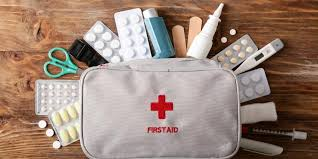
Basic First Aid Kit Essentials
- Bandages, gauze pads, and adhesive tape.
- Antiseptic wipes or spray.
- Disposable gloves.
- Scissors and tweezers.
- Burn gel or dressings.
প্রাথমিক চিকিৎসার মূল পদ্ধতি
- সিপিআর (কার্ডিওপালমোনারি রিসাসিটেশন): যদি কোনও ব্যক্তি সাড়া না দেয় এবং শ্বাস নিতে না পারে, তাহলে ৩০টি বুকের চাপ দিন এবং তারপরে ২টি উদ্ধার শ্বাস নিন।
- তীব্র রক্তপাত: সাহায্য না আসা পর্যন্ত পরিষ্কার প্যাড বা কাপড় দিয়ে ক্ষতস্থানে সরাসরি, শক্ত চাপ দিন।
- পোড়া দাগ: পোড়া জায়গাটি চলমান পানির নিচে কমপক্ষে ২০ মিনিট ঠান্ডা করুন; বরফ ব্যবহার করবেন না।
- অজ্ঞানতা: প্রতিক্রিয়া পরীক্ষা করুন, শ্বাসনালী পরিষ্কার আছে কিনা তা নিশ্চিত করুন এবং শ্বাস-প্রশ্বাস পরীক্ষা করুন।
প্রাথমিক চিকিৎসার কিট
- ব্যান্ডেজ, গজ প্যাড এবং আঠালো টেপ।
- অ্যান্টিসেপটিক ওয়াইপস বা স্প্রে।
- একবার ব্যবহার করার মতো গ্লাভস।
- কাঁচি এবং টুইজার।
- জেল বা ড্রেসিং পোড়াও
Practice of Medicine for 1 Year Physiotherapy Course in Dhaka
The practice of medicine is the licensed, evidence-based application of scientific knowledge to diagnose, treat, prevent, and palliate human disease or injury. It involves clinical expertise, patient-centered care, and adherence to professional, legal, and ethical standards. It encompasses diverse methods, including pharmaceuticals, surgery, and technology.
চিকিৎসাবিদ্যা হলো মানব রোগ বা আঘাত নির্ণয়, চিকিৎসা, প্রতিরোধ এবং উপশমের জন্য বৈজ্ঞানিক জ্ঞানের লাইসেন্সপ্রাপ্ত, প্রমাণ-ভিত্তিক প্রয়োগ। এতে ক্লিনিকাল দক্ষতা, রোগী-কেন্দ্রিক যত্ন এবং পেশাদার, আইনি এবং নৈতিক মান মেনে চলা জড়িত। এটি ওষুধ, অস্ত্রোপচার এবং প্রযুক্তি সহ বিভিন্ন পদ্ধতিকে অন্তর্ভুক্ত করে
Key Aspects of Medical Practice for 1 Year Physiotherapy Course in Dhaka
- Definition & Scope: It includes assessing, treating, and advising patients on health conditions, often requiring a license in compliance with state law.
- Core Functions: The primary goal is to maintain or restore health through preventive measures, diagnostics, and curative interventions.
- Evidence-Based Approach: Modern practice relies on integrating individual clinical expertise with the best available external evidence.
- Settings & Structure: Practices can be solo or group, with types including single-specialty (e.g., family medicine) or multi-specialty.
- Legal & Ethical Framework: It is a regulated profession requiring adherence to established standards (e.g., Good Medical Practice) to ensure safety and quality care.
Components of Practice:
- Clinical Decision-Making: Involves interpreting patient symptoms, using diagnostics, and applying medical knowledge.
- Preventive Medicine: Focuses on proactively preventing disease.
- Specialization: Doctors may specialize in fields like Pediatrics, Psychiatry, or Emergency Medicine
চিকিৎসা অনুশীলনের মূল দিক:
- সংজ্ঞা এবং ব্যাপ্তি: এর মধ্যে রয়েছে রোগীদের স্বাস্থ্যগত অবস্থার মূল্যায়ন, চিকিৎসা এবং পরামর্শ দেওয়া, যার জন্য প্রায়শই রাষ্ট্রীয় আইন মেনে লাইসেন্সের প্রয়োজন হয়।
- মূল কার্যাবলী: প্রাথমিক লক্ষ্য হল প্রতিরোধমূলক ব্যবস্থা, রোগ নির্ণয় এবং নিরাময়মূলক হস্তক্ষেপের মাধ্যমে স্বাস্থ্য বজায় রাখা বা পুনরুদ্ধার করা।
- প্রমাণ-ভিত্তিক পদ্ধতি: আধুনিক অনুশীলন ব্যক্তিগত ক্লিনিকাল দক্ষতার সাথে সর্বোত্তম উপলব্ধ বাহ্যিক প্রমাণের সংহতকরণের উপর নির্ভর করে।
- সেটিংস এবং কাঠামো: অনুশীলনগুলি একক বা গোষ্ঠীগত হতে পারে, যার মধ্যে একক-বিশেষজ্ঞতা (যেমন, পারিবারিক চিকিৎসা) বা বহু-বিশেষজ্ঞতা অন্তর্ভুক্ত থাকতে পারে।
- আইনি ও নীতিগত কাঠামো: এটি একটি নিয়ন্ত্রিত পেশা যেখানে নিরাপত্তা এবং মানসম্পন্ন যত্ন নিশ্চিত করার জন্য প্রতিষ্ঠিত মান (যেমন, ভালো চিকিৎসা অনুশীলন) মেনে চলা প্রয়োজন।
অনুশীলনের উপাদান:
- ক্লিনিক্যাল সিদ্ধান্ত গ্রহণ: রোগীর লক্ষণগুলি ব্যাখ্যা করা, রোগ নির্ণয়ের ব্যবহার এবং চিকিৎসা জ্ঞান প্রয়োগ করা জড়িত।
- প্রতিরোধমূলক চিকিৎসা: রোগ প্রতিরোধে সক্রিয়ভাবে মনোনিবেশ করে।
- বিশেষজ্ঞতা: ডাক্তাররা শিশুচিকিৎসা, মনোরোগবিদ্যা, অথবা জরুরি চিকিৎসার মতো ক্ষেত্রে বিশেষজ্ঞ হতে পারেন।
Hematology for 1 Year Physiotherapy Course in Dhaka
Hematology is the specialized branch of medicine focused on studying, diagnosing, and treating diseases of the blood, bone marrow, and lymphatic systems. Hematologists manage both benign conditions (e.g., anemia, clotting disorders, hemophilia) and malignant disorders (e.g., leukemia, lymphoma, multiple myeloma), often incorporating laboratory analysis with patient care.
হেমাটোলজি হল চিকিৎসার একটি বিশেষ শাখা যা রক্ত, অস্থি মজ্জা এবং লিম্ফ্যাটিক সিস্টেমের রোগ অধ্যয়ন, নির্ণয় এবং চিকিৎসার উপর দৃষ্টি নিবদ্ধ করে। হেমাটোলজিস্টরা সৌম্য অবস্থা (যেমন, রক্তাল্পতা, জমাট বাঁধার ব্যাধি, হিমোফিলিয়া) এবং ম্যালিগন্যান্ট ব্যাধি (যেমন, লিউকেমিয়া, লিম্ফোমা, মাল্টিপল মায়লোমা) উভয়ই পরিচালনা করেন, প্রায়শই রোগীর যত্নের সাথে পরীক্ষাগার বিশ্লেষণ অন্তর্ভুক্ত করেন।
Key Aspects of Hematology
- Scope of Study: The field covers the production of blood, its components (red cells, white cells, platelets), and hemoglobin, as well as blood-related tissues like lymph nodes, the spleen, and thymus.
- Benign vs. Malignant:
- Benign Hematology: Treats non-cancerous disorders like anemia, iron deficiency, and thrombosis.
- Malignant Hematology: Focuses on blood cancers, frequently collaborating with oncology.
- Diagnoses and Treatments: Hematologists use blood tests (such as Complete Blood Count – CBC), bone marrow biopsies, and specialized molecular testing. Treatments include chemotherapy, blood transfusions, and bone marrow transplants.
Common Blood Disorders
- Anemias: Aplastic anemia, thalassemia.
- Bleeding/Clotting Disorders: Hemophilia, idiopathic thrombocytopenic purpura (ITP), thrombosis.
- Blood Cancers: Leukemia, multiple myeloma, lymphomas.
হেমাটোলজির মূল দিকগুলি
- অধ্যয়নের সুযোগ: এই ক্ষেত্রটি রক্ত উৎপাদন, এর উপাদানগুলি (লোহিত রক্তকণিকা, শ্বেত রক্তকণিকা, প্লেটলেট), এবং হিমোগ্লোবিন, সেইসাথে রক্ত-সম্পর্কিত টিস্যু যেমন লিম্ফ নোড, প্লীহা এবং থাইমাসকে অন্তর্ভুক্ত করে।
- সৌম্য বনাম ম্যালিগন্যান্ট:
- সৌম্য রক্তরোগবিদ্যা: রক্তাল্পতা, আয়রনের ঘাটতি এবং থ্রম্বোসিসের মতো অ-ক্যান্সারজনিত রোগের চিকিৎসা করে।
- ম্যালিগন্যান্ট হেমাটোলজি: রক্তের ক্যান্সারের উপর দৃষ্টি নিবদ্ধ করে, প্রায়শই অনকোলজির সাথে সহযোগিতা করে।
- রোগ নির্ণয় এবং চিকিৎসা: হেমাটোলজিস্টরা রক্ত পরীক্ষা (যেমন কমপ্লিট ব্লাড কাউন্ট – সিবিসি), অস্থি মজ্জা বায়োপসি এবং বিশেষায়িত আণবিক পরীক্ষা ব্যবহার করেন। চিকিৎসার মধ্যে রয়েছে কেমোথেরাপি, রক্ত সঞ্চালন এবং অস্থি মজ্জা প্রতিস্থাপন।
সাধারণ রক্তের ব্যাধি
- রক্তাল্পতা: অ্যাপ্লাস্টিক রক্তাল্পতা, থ্যালাসেমিয়া।
- রক্তপাত/জমাট বাঁধার ব্যাধি: হিমোফিলিয়া, ইডিওপ্যাথিক থ্রম্বোসাইটোপেনিক পুরপুরা (ITP), থ্রম্বোসিস।
- রক্তের ক্যান্সার: লিউকেমিয়া, মাল্টিপল মায়লোমা, লিম্ফোমা।
Pathology for Medical Practice for 1 Year Physiotherapy Course in Dhaka
Pathology is the essential, evidence-based study of disease, acting as the bridge between clinical medicine and laboratory science to diagnose, manage, and treat patients. It involves analyzing tissues (anatomical) and fluids (clinical) to understand causes (etiology), development (pathogenesis), and structural changes, directly informing over 70% of medical decisions.
রোগবিদ্যা হল রোগের অপরিহার্য, প্রমাণ-ভিত্তিক অধ্যয়ন, যা রোগীদের রোগ নির্ণয়, পরিচালনা এবং চিকিৎসার জন্য ক্লিনিকাল মেডিসিন এবং ল্যাবরেটরি বিজ্ঞানের মধ্যে সেতুবন্ধন হিসেবে কাজ করে। এর মধ্যে টিস্যু (শারীরবৃত্তীয়) এবং তরল (ক্লিনিকাল) বিশ্লেষণ করা হয় যাতে কারণ (এটিওলজি), বিকাশ (প্যাথোজেনেসিস) এবং কাঠামোগত পরিবর্তনগুলি বোঝা যায়, যা ৭০% এরও বেশি চিকিৎসা সিদ্ধান্তকে সরাসরি অবহিত করে
Core Pillars of Pathology in Practice for 1 Year Physiotherapy Course in Dhaka
- Anatomical Pathology: Examines tissues/organs via biopsies or autopsies to diagnose cancers and other structural diseases.
- Clinical Pathology: Analyzes bodily fluids (blood, urine) for hematology, microbiology, immunology, and biochemistry.
Role in Medical Practice for 1 Year Physiotherapy Course in Dhaka
- Diagnosis: Pathologists, acting as consultants to clinicians, determine the precise disease nature.
- Prognosis and Treatment: Results guide management decisions, such as cancer staging or antibiotic selection.
- Specialties: Includes specialized fields like Dermatopathology (skin), Hematopathology (blood), and Forensic pathology.
অনুশীলনে প্যাথলজির মূল স্তম্ভগুলি
- অ্যানাটমিক্যাল প্যাথলজি: ক্যান্সার এবং অন্যান্য কাঠামোগত রোগ নির্ণয়ের জন্য বায়োপসি বা ময়নাতদন্তের মাধ্যমে টিস্যু/অঙ্গ পরীক্ষা করা হয়।
- ক্লিনিক্যাল প্যাথলজি: হেমাটোলজি, মাইক্রোবায়োলজি, ইমিউনোলজি এবং জৈব রসায়নের জন্য শারীরিক তরল (রক্ত, প্রস্রাব) বিশ্লেষণ করে।
চিকিৎসা অনুশীলনে ভূমিকা
- রোগ নির্ণয়: রোগ বিশেষজ্ঞরা, চিকিৎসকদের পরামর্শদাতা হিসেবে কাজ করে, রোগের সঠিক প্রকৃতি নির্ধারণ করেন।
- পূর্বাভাস এবং চিকিৎসা: ফলাফলগুলি ক্যান্সারের পর্যায়ক্রমিক বা অ্যান্টিবায়োটিক নির্বাচনের মতো ব্যবস্থাপনার সিদ্ধান্তগুলিকে নির্দেশ করে।
- বিশেষত্ব: ডার্মাটোপ্যাথোলজি (ত্বক), হেমাটোপ্যাথোলজি (রক্ত), এবং ফরেনসিক প্যাথলজির মতো বিশেষায়িত ক্ষেত্রগুলি অন্তর্ভুক্ত।
Cardiovascular Anatomy & Physiology
The cardiovascular system consists of the heart, blood vessels, and blood, functioning to transport oxygen, nutrients, hormones, and waste throughout the body. It utilizes a four-chambered muscular pump to drive two circuits—pulmonary (lungs) and systemic (body)—operating under high pressure to maintain tissue perfusion and homeostasis.
হৃদযন্ত্র , রক্তনালী এবং রক্ত নিয়ে গঠিত হৃৎপিণ্ড, রক্তনালী এবং রক্ত, যা সারা শরীরে অক্সিজেন, পুষ্টি, হরমোন এবং বর্জ্য পরিবহনের জন্য কাজ করে। এটি একটি চার-প্রকোষ্ঠ বিশিষ্ট পেশীবহুল পাম্প ব্যবহার করে দুটি সার্কিট – পালমোনারি (ফুসফুস) এবং সিস্টেমিক (শরীর) – উচ্চ চাপে পরিচালিত করে টিস্যু পারফিউশন এবং হোমিওস্ট্যাসিস বজায় রাখার জন্য।
Anatomy of the Cardiovascular System
- Heart Chambers: The heart is divided into four chambers: two upper atria (receiving chambers) and two lower ventricles (pumping chambers).
- Heart Walls & Layers: The myocardium is the middle, contractile muscle layer. The heart is protected by the pericardium and lined internally by the endocardium.
- Valves: Four valves (tricuspid, mitral, pulmonic, aortic) ensure one-way blood flow and prevent backflow.
- Blood Vessels:
- Arteries: Thick, elastic walls that carry high-pressure blood away from the heart.
- Veins: Return deoxygenated blood to the heart, containing valves to prevent backflow.
Physiology and Circulation
- Cardiac Cycle: The heart operates in a rhythmic cycle of contraction (systole) and relaxation (diastole).
- Pulmonary Circuit: Deoxygenated blood enters the right atrium, passes to the right ventricle, and is pumped to the lungs for oxygenation via the pulmonary artery.
- Systemic Circuit: Oxygenated blood returns from the lungs to the left atrium, moves to the left ventricle, and is pumped through the aorta to the rest of the body.
- Conduction System: Initiates and regulates the heartbeat, beginning with the sinoatrial (SA) node.
- Coronary Circulation: Provides blood directly to the heart muscle itself, with arteries branching off the aorta.
কার্ডিওভাসকুলার সিস্টেমের অ্যানাটমি
- হৃদপিণ্ডের প্রকোষ্ঠ: হৃদপিণ্ড চারটি প্রকোষ্ঠে বিভক্ত: দুটি উপরের অ্যাট্রিয়া (গ্রহণকারী প্রকোষ্ঠ) এবং দুটি নিম্ন ভেন্ট্রিকল (পাম্পিং প্রকোষ্ঠ)।
- হৃদপিণ্ডের দেয়াল এবং স্তর: মায়োকার্ডিয়াম হল মধ্যম, সংকোচনশীল পেশী স্তর। হৃদপিণ্ড পেরিকার্ডিয়াম দ্বারা সুরক্ষিত এবং এন্ডোকার্ডিয়াম দ্বারা অভ্যন্তরীণভাবে আবদ্ধ।
- ভালভ: চারটি ভালভ (ট্রাইকাস্পিড, মাইট্রাল, পালমোনিক, এওর্টিক) একমুখী রক্ত প্রবাহ নিশ্চিত করে এবং বিপরীত প্রবাহ প্রতিরোধ করে।
- রক্তনালী:
- ধমনী: পুরু, স্থিতিস্থাপক দেয়াল যা উচ্চ-চাপের রক্তকে হৃদপিণ্ড থেকে দূরে বহন করে।
- শিরা: অক্সিজেনমুক্ত রক্তকে হৃৎপিণ্ডে ফিরিয়ে আনে, যাতে রক্তের পশ্চাদপসরণ রোধ করার জন্য ভালভ থাকে।
শারীরবিদ্যা এবং সঞ্চালন
- হৃদযন্ত্র চক্র: হৃদপিণ্ড সংকোচন (সিস্টোল) এবং শিথিলকরণ (ডায়াস্টোল) এর একটি ছন্দবদ্ধ চক্রে কাজ করে।
- পালমোনারি সার্কিট: অক্সিজেনমুক্ত রক্ত ডান অলিন্দে প্রবেশ করে, ডান ভেন্ট্রিকেলে যায় এবং পালমোনারি ধমনীর মাধ্যমে অক্সিজেনের জন্য ফুসফুসে পাম্প করা হয়।
- সিস্টেমিক সার্কিট: অক্সিজেনযুক্ত রক্ত ফুসফুস থেকে বাম অলিন্দে ফিরে আসে, বাম ভেন্ট্রিকলে চলে যায় এবং মহাধমনীর মধ্য দিয়ে শরীরের বাকি অংশে পাম্প করা হয়।
- পরিবাহী ব্যবস্থা: সাইনোট্রিয়াল (SA) নোড থেকে শুরু করে হৃদস্পন্দন শুরু এবং নিয়ন্ত্রণ করে।
- করোনারি সঞ্চালন: ধমনীগুলি মহাধমনীর শাখা থেকে বেরিয়ে সরাসরি হৃদপিণ্ডের পেশীতে রক্ত সরবরাহ করে।